9.5Chapter 9: Plants and Photosynthesis
The need for minerals — Alhussan Biology - Stage 9 Revision Notes & Topical Questions
5 min read 9 parts Lesson 5 of 9 2 quizzes
9.5 The need for minerals — Nitrates and Magnesium in Plants — Alhussan International Academy — Biology (Stages 7–9) notes: Explain why plants need nitrate and magnesium ions, where they obtain them and what deficiency symptoms show.Food — plants make carbohydrates by photosynthe…
- Without minerals
- Active transport
- Replacement
- Expected results
- Fertilisers
- Natural sources
Part 1 of 7Plants make food but need minerals
- Food plants make carbohydrates by photosynthesis, and use glucose in respiration or build it into starch, cellulose and lipids.
- Some substances cannot be made from carbohydrates alone.
- Without minerals a plant in light, water and air looks sickly and eventually dies.
Part 2 of 7Where plants get minerals
- Soil plants absorb mineral ions dissolved in soil water through root hairs.
- The minerals are carried around the plant in its transport systems with the water.
- Active transport nitrate ions are taken up by active transport, which needs energy from respiration.
- Replacement harvesting crops uses up soil minerals, so they must be replaced by fertilisers or natural recycling by decomposers.
Part 3 of 7Nitrate
- Source decomposers produce nitrates by breaking down waste and dead bodies of plants and animals.
- Use nitrates supply nitrogen to make amino acids and proteins, and also DNA and chlorophyll.
- Proteins control many reactions in plant cells, including photosynthesis, and are part of the cell structure.
- Plants cannot use nitrogen gas from the air directly.
- Deficiency growth is stunted because proteins for new cells cannot be made.
- Older leaves turn yellow because nitrogen is moved to the growing tips.
Part 4 of 7Magnesium
- Use magnesium ions (Mg2+) are at the centre of every chlorophyll molecule.
- Plants need magnesium to make chlorophyll for new chloroplasts and to replace worn-out or damaged chlorophyll.
- Deficiency without magnesium less chlorophyll is made, so less light is absorbed and photosynthesis falls.
- Leaves turn pale or yellow (chlorosis), often between the veins and on the older leaves first.
Part 5 of 7Mineral deficiencies compared
| Mineral | Used for | Deficiency |
|---|---|---|
| Nitrate | Amino acids, proteins, chlorophyll | Poor growth, yellow older leaves |
| Magnesium | Chlorophyll | Pale or yellow leaves with green veins |
| Phosphate | DNA, ATP, cell membranes | Poor root growth, purple leaves |
| Potassium | Enzymes, flowers and fruit | Yellow leaves with dead edges |
Part 6 of 7Investigating mineral deficiency
- Expected results
- the complete solution grows best, the no-nitrate plant is short and pale, and the no-magnesium plant has yellow leaves.
Part 7 of 7Legumes and fertilisers
- Legumes peas, beans and clover have root nodules full of bacteria that make nitrates from nitrogen in the air.
- The plants give the bacteria sugar from photosynthesis in return.
- Legumes grow well in nitrate-poor soil and add nitrates to the soil, making it more fertile.
- Farmers grow them in crop rotation to improve the soil for crops that need lots of nitrogen.
- Fertilisers they contain nitrogen, phosphorus and potassium (NPK) to replace minerals.
- Natural sources compost and manure return minerals as they decompose.
Key terms
| Term | Meaning |
|---|---|
| Mineral | A water-soluble substance that plant cells absorb from the soil. |
| Nitrate | A mineral ion containing nitrogen, used to make proteins. |
| Magnesium | A mineral ion needed to make chlorophyll. |
| Mineral deficiency | Poor growth caused by a lack of a mineral. |
| Legume | A plant such as peas, beans or clover with nitrogen-fixing root nodules. |
| Fertiliser | A substance added to soil to replace minerals. |
Avoid these mistakes
Marked practiceQuizzes for this lesson
?What do you want to solve now?
✓Checkpoint Quiz
10 multiple-choice + 2 written questions from real exam papers on this lesson.
Question 1 of 10 1:30

Question 2 of 10 1:30

Question 3 of 10 1:30
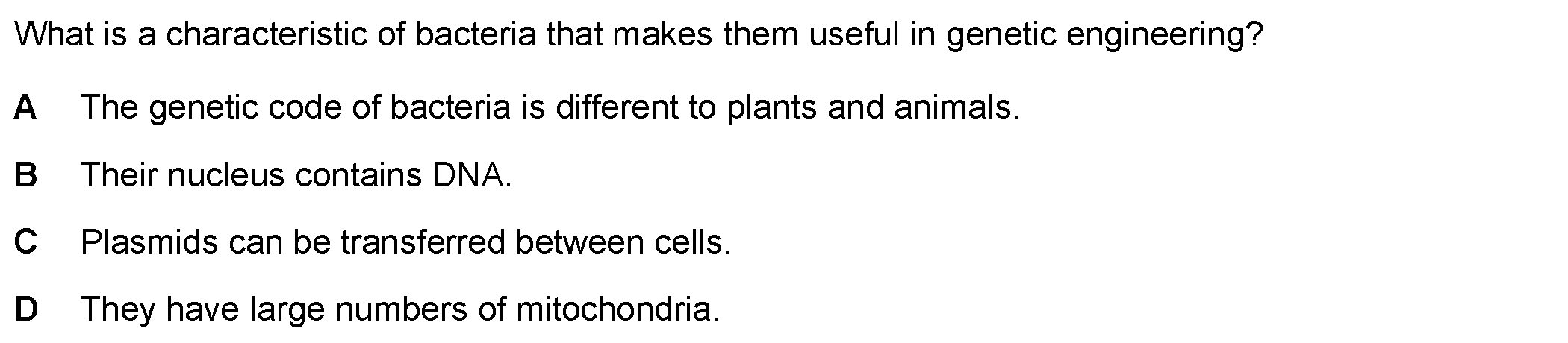
Question 4 of 10 1:30

Question 5 of 10 1:30

Question 6 of 10 1:30

Question 7 of 10 1:30

Question 8 of 10 1:30
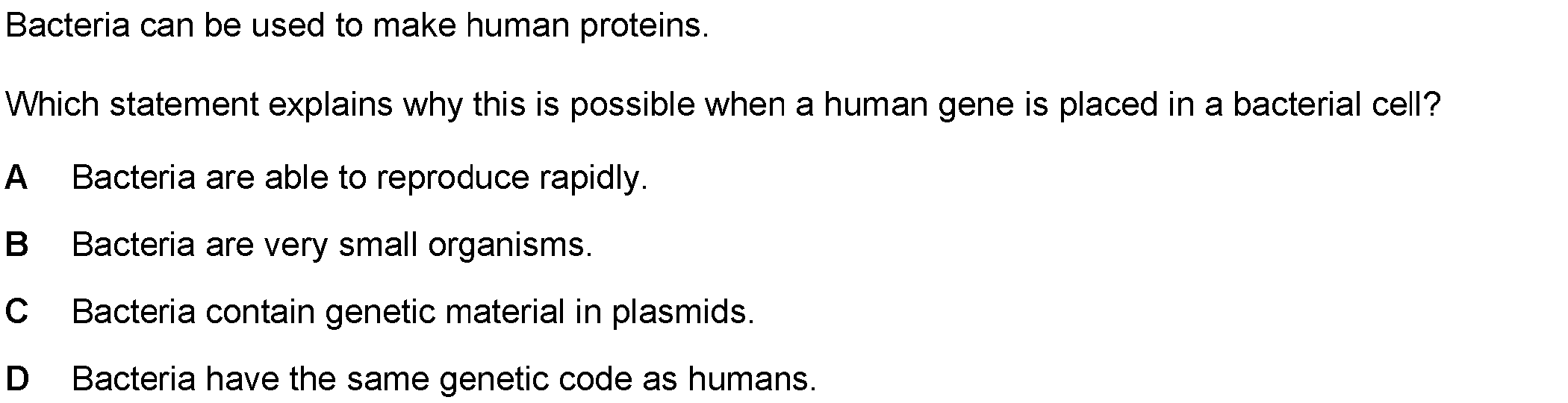
Question 9 of 10 1:30

Question 10 of 10 1:30

Answer key
1 C2 D3 C4 B5 D6 D7 D8 D9 C10 D
Written question 1 of 2 · part (1 / 9) 3:00
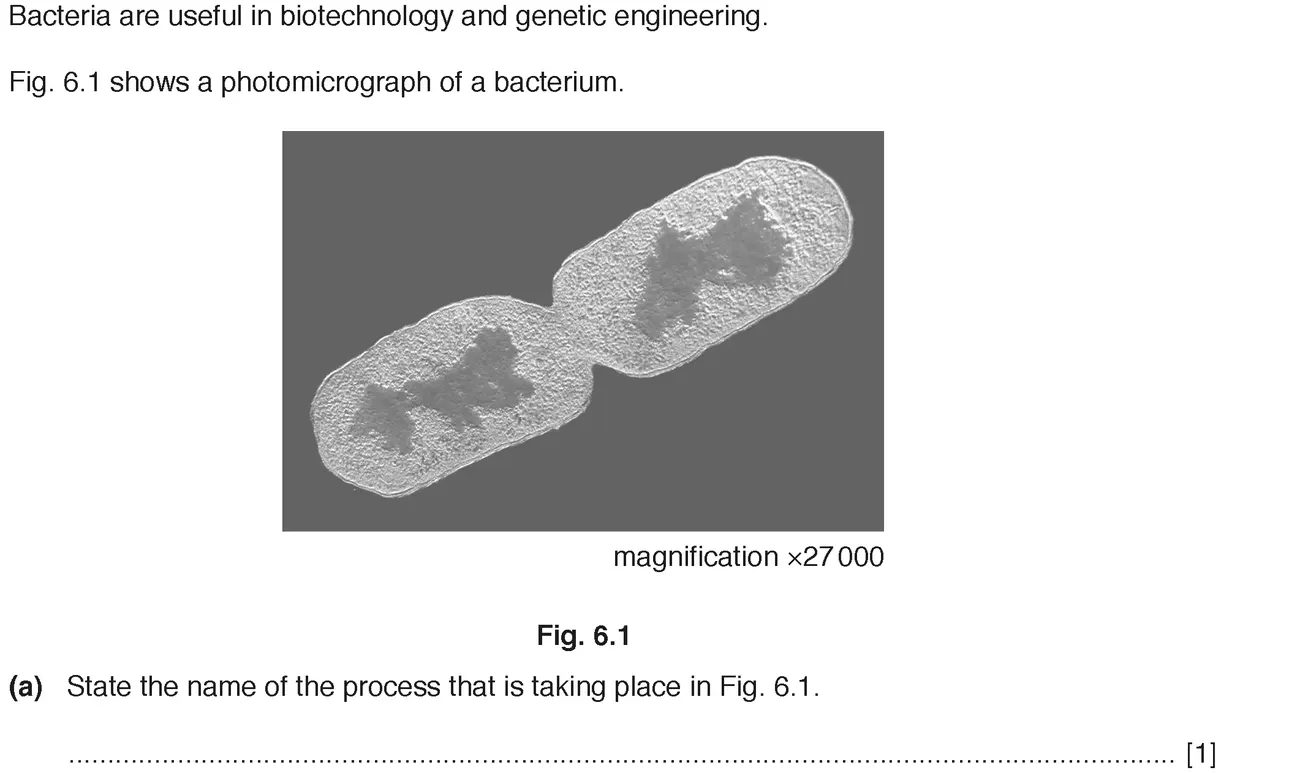
Show the answer

Written question 1 of 2 · part (2 / 9) 3:00

Show the answer
Written question 1 of 2 · part (3 / 9) 3:00
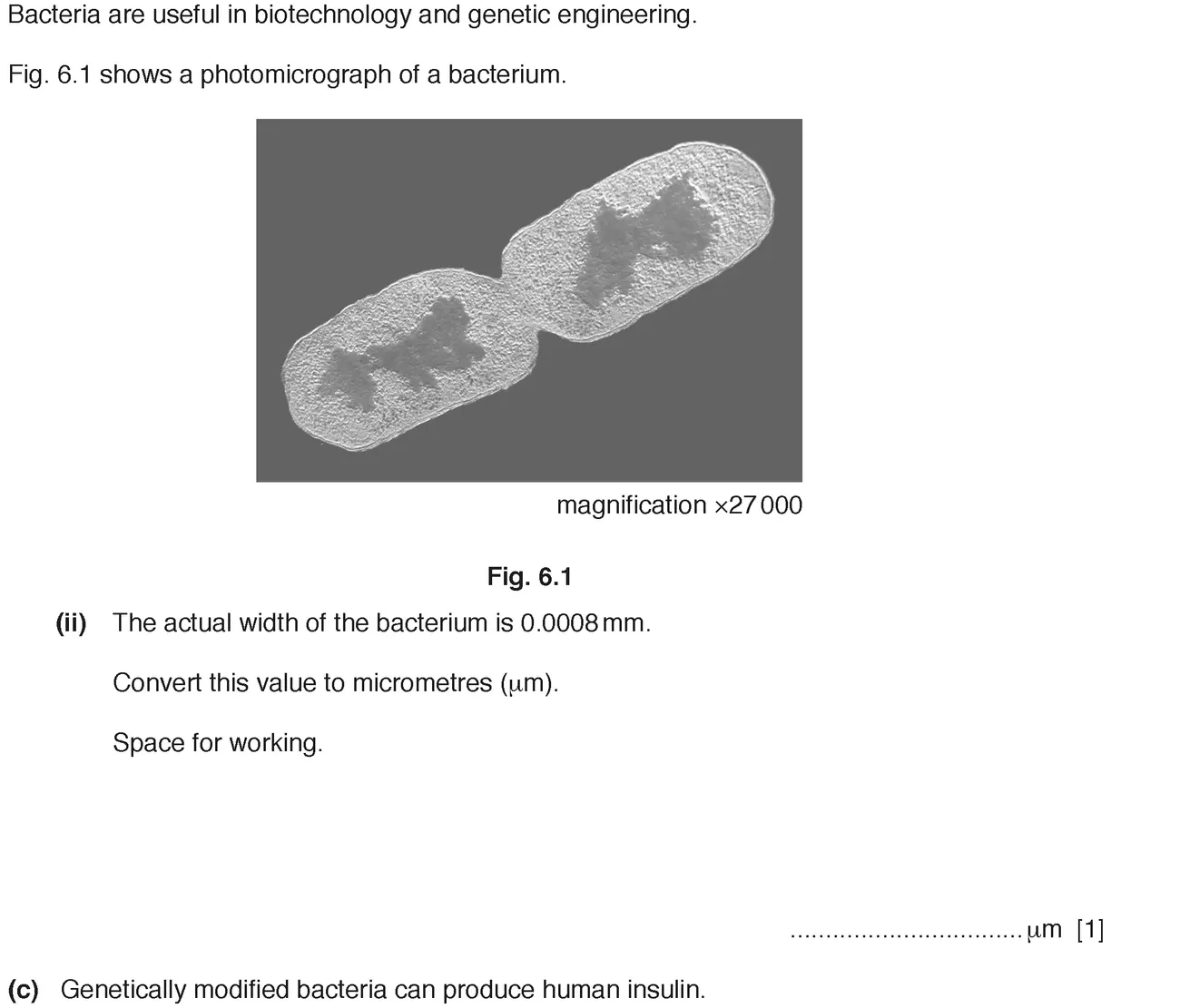
Show the answer
Written question 1 of 2 · part (4 / 9) 3:00

Show the answer
Written question 1 of 2 · part (5 / 9) 3:00
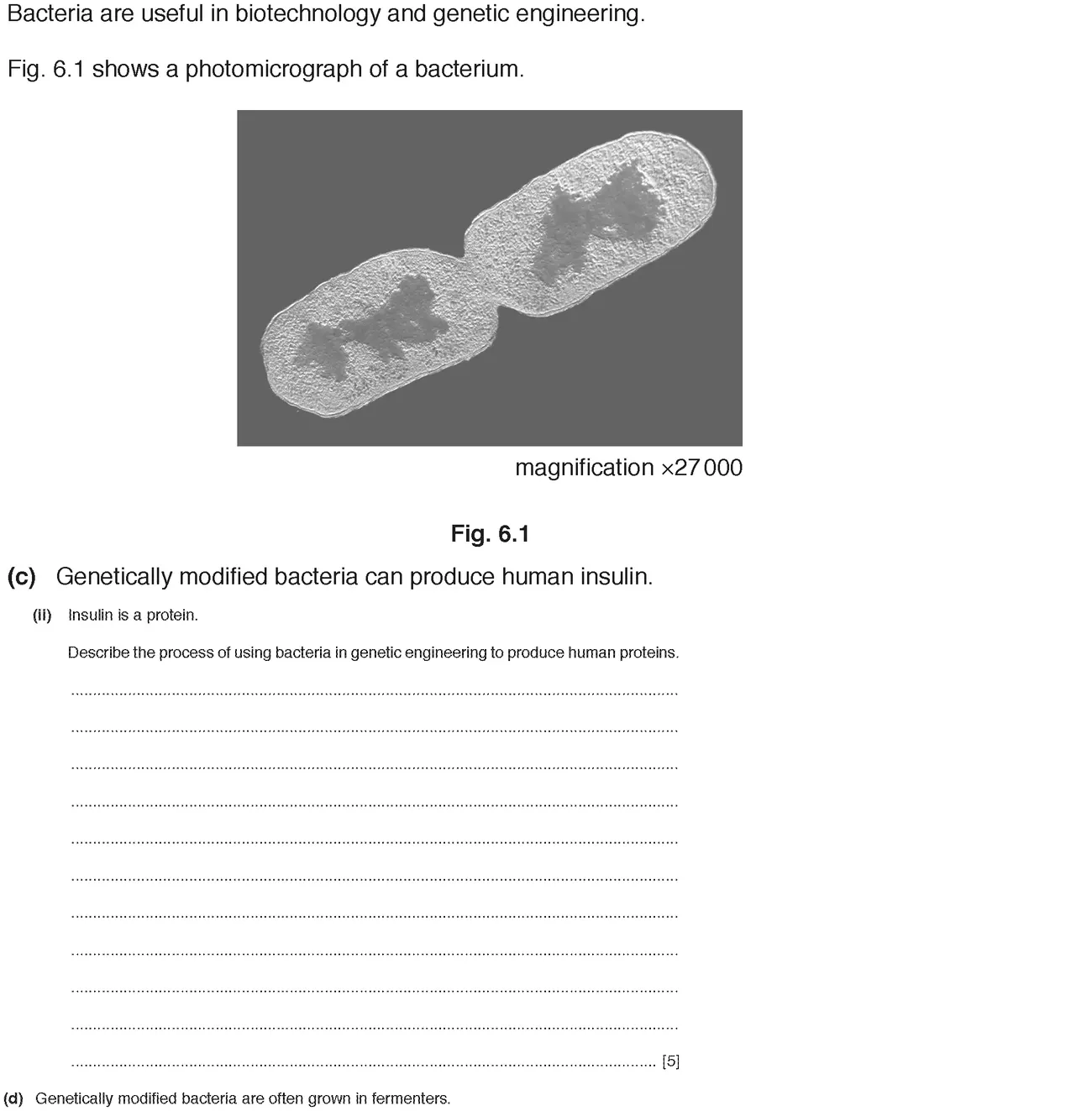
Show the answer
Written question 1 of 2 · part (6 / 9) 3:00

Show the answer
Written question 1 of 2 · part (7 / 9) 3:00
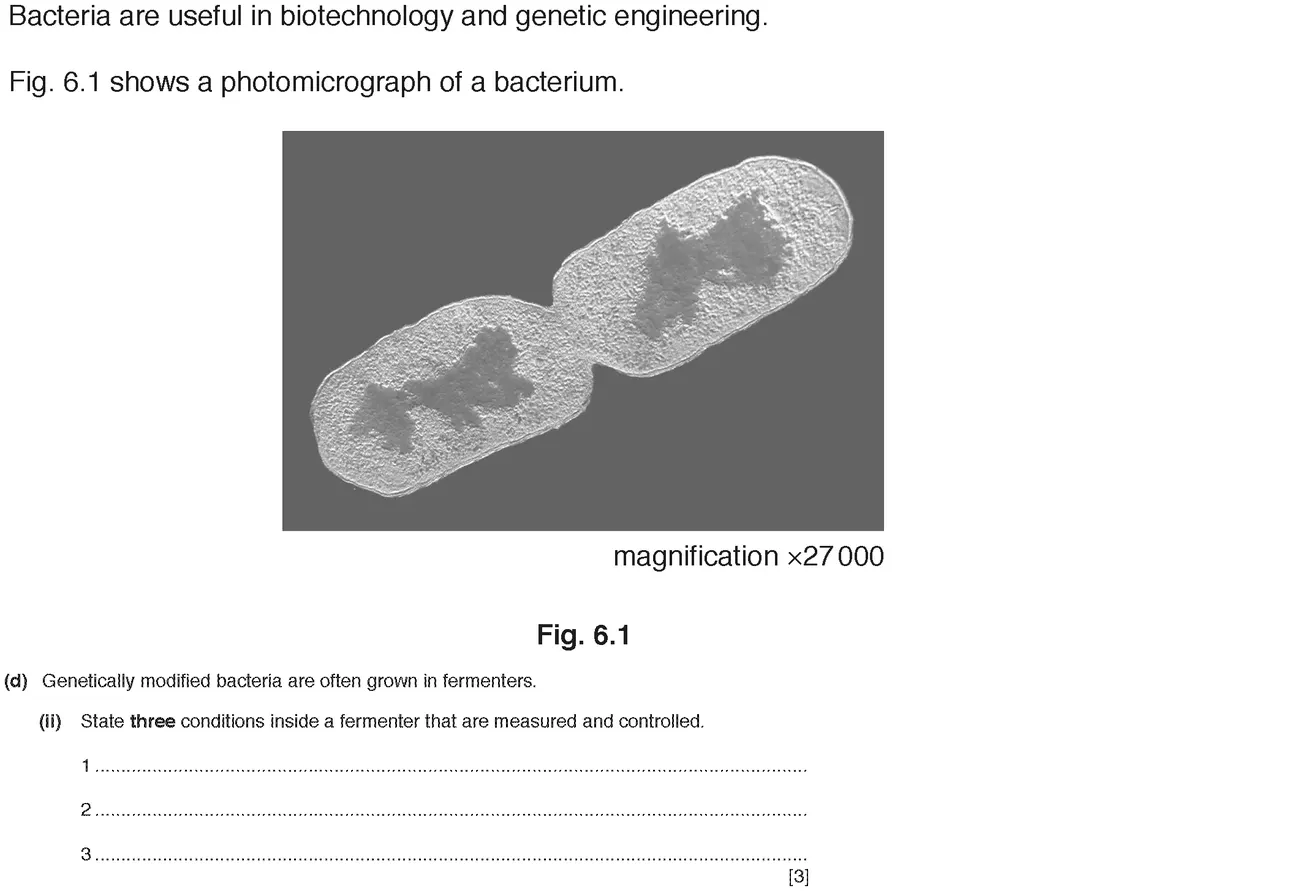
Show the answer
Written question 1 of 2 · part (8 / 9) 3:00

Show the answer
Written question 1 of 2 · part (9 / 9) 3:00
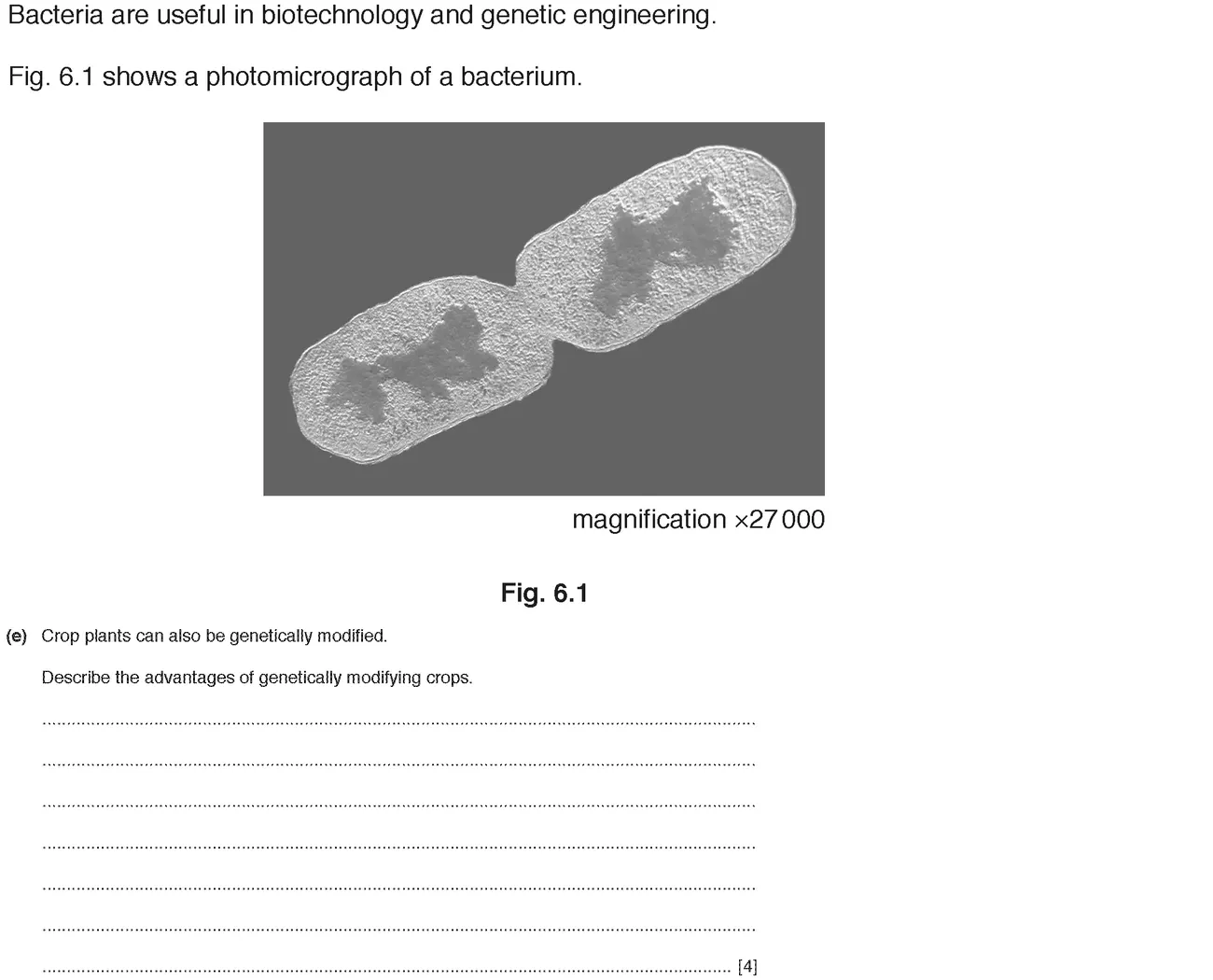
Show the answer
Written question 2 of 2 · part (a) (1 / 3) 3:00

Show the answer
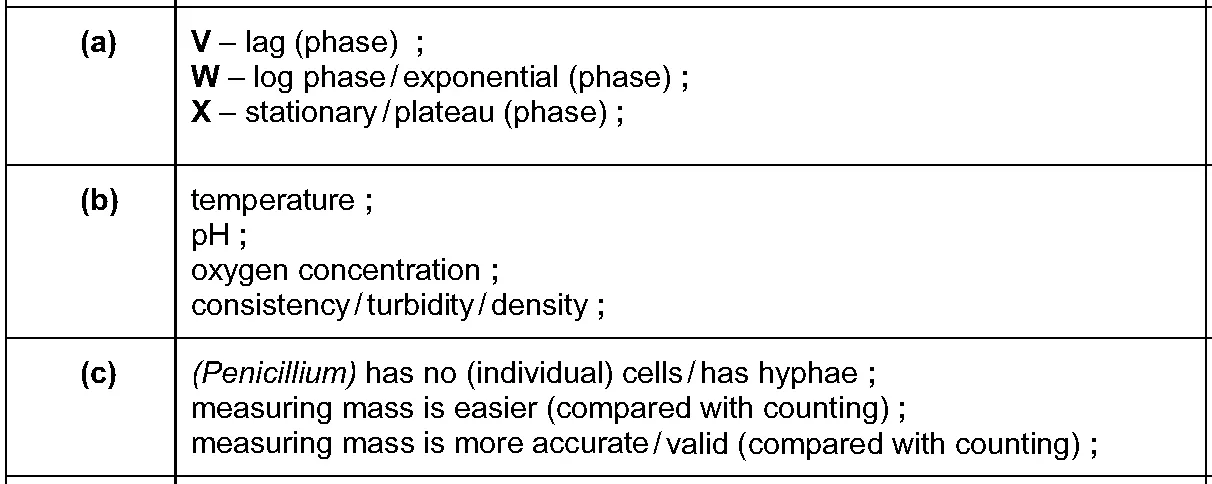
Written question 2 of 2 · part (b) (2 / 3) 3:00

Show the answer
Written question 2 of 2 · part (c) (3 / 3) 3:00
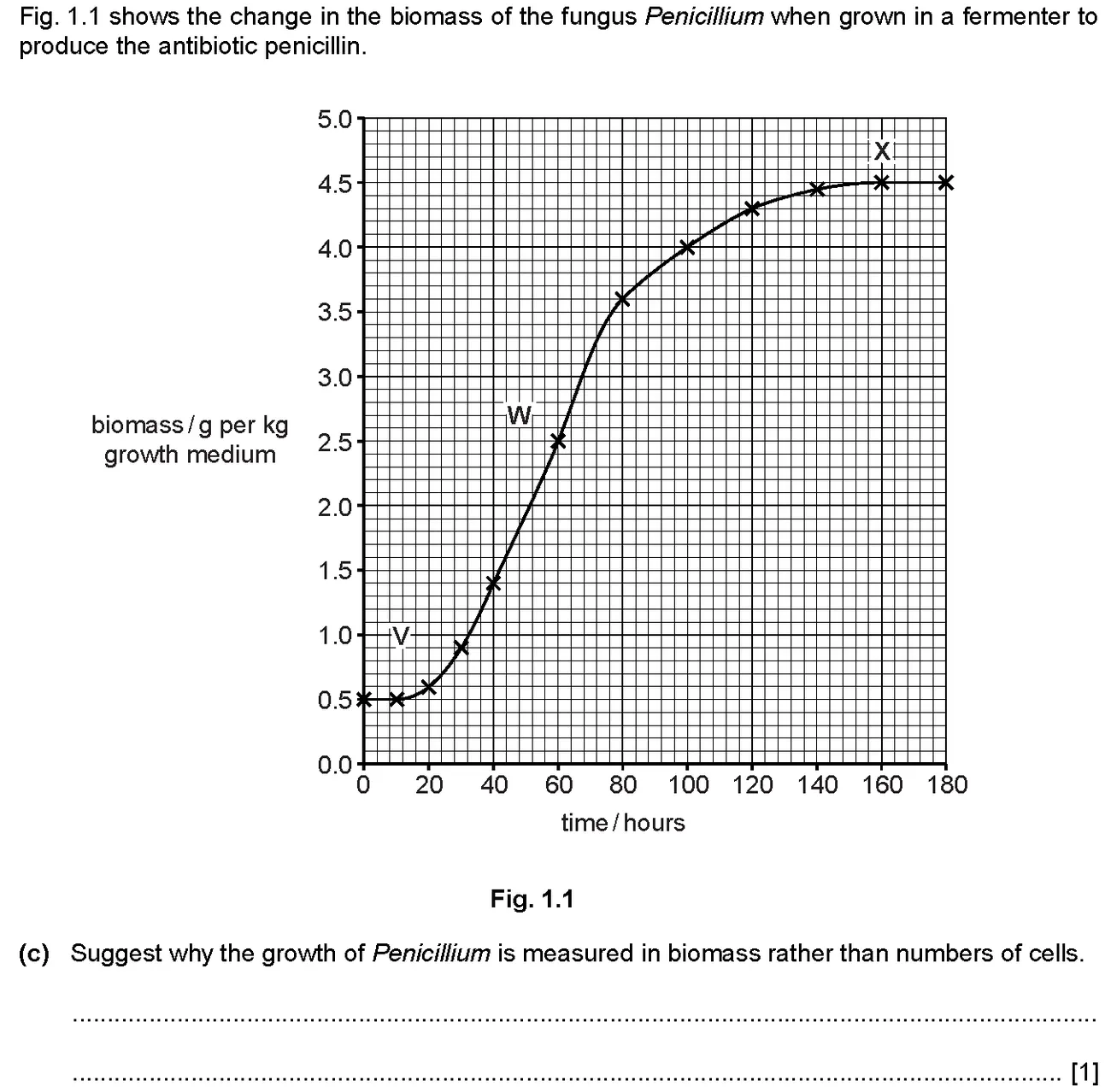
Show the answer
Each part of a written question is on its own screen. Write your answer first, then open "Show the answer" to check it against the mark scheme.
Last updated: