12.4Chapter 12: Chemical Reactions 3 and Rates
Extracting metals — Alhussan Chemistry - Stage 9 Revision Notes & Topical Questions
5 min read 9 parts Lesson 4 of 13 2 quizzes
12.4 Extracting metals — Ores, Carbon Reduction and Electrolysis — Alhussan International Academy — Chemistry (Stages 7–9) notes: Define ore and link the position of a metal in the reactivity series to how it is extracted.Compounds in rocks — in the Earth's crust most metals are …
- Native metals
- Carbon in the series
- Below carbon
- Above carbon
- Blast furnace
- Oxidation and reduction
Part 1 of 7Ores
- Compounds in rocks in the Earth's crust most metals are joined to other elements in compounds mixed with other substances.
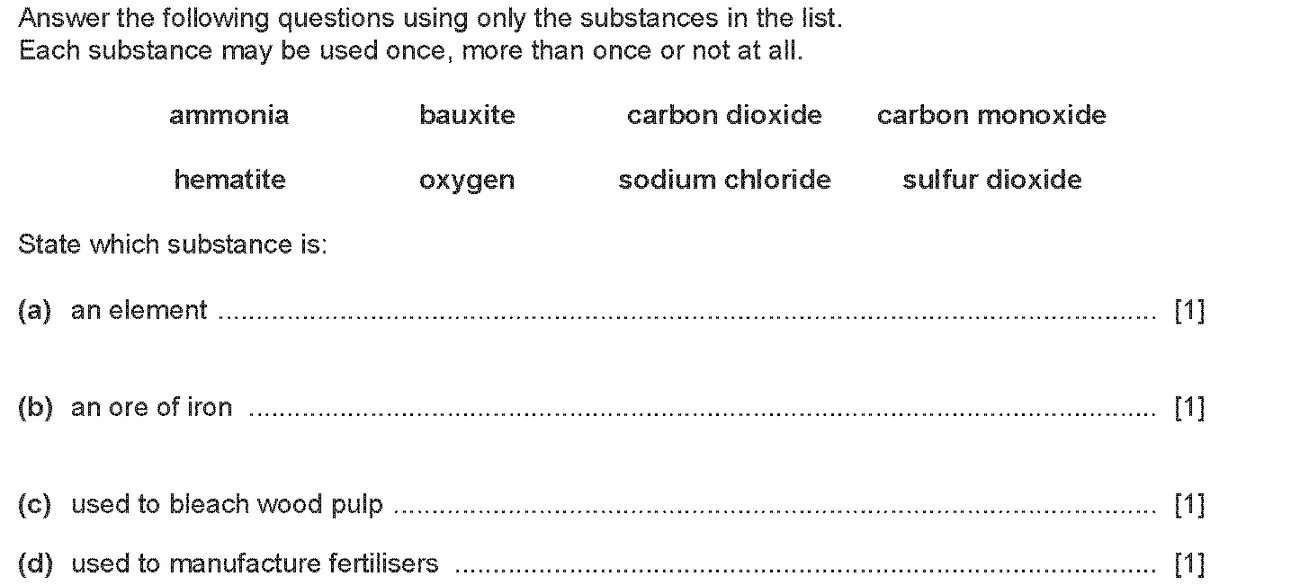
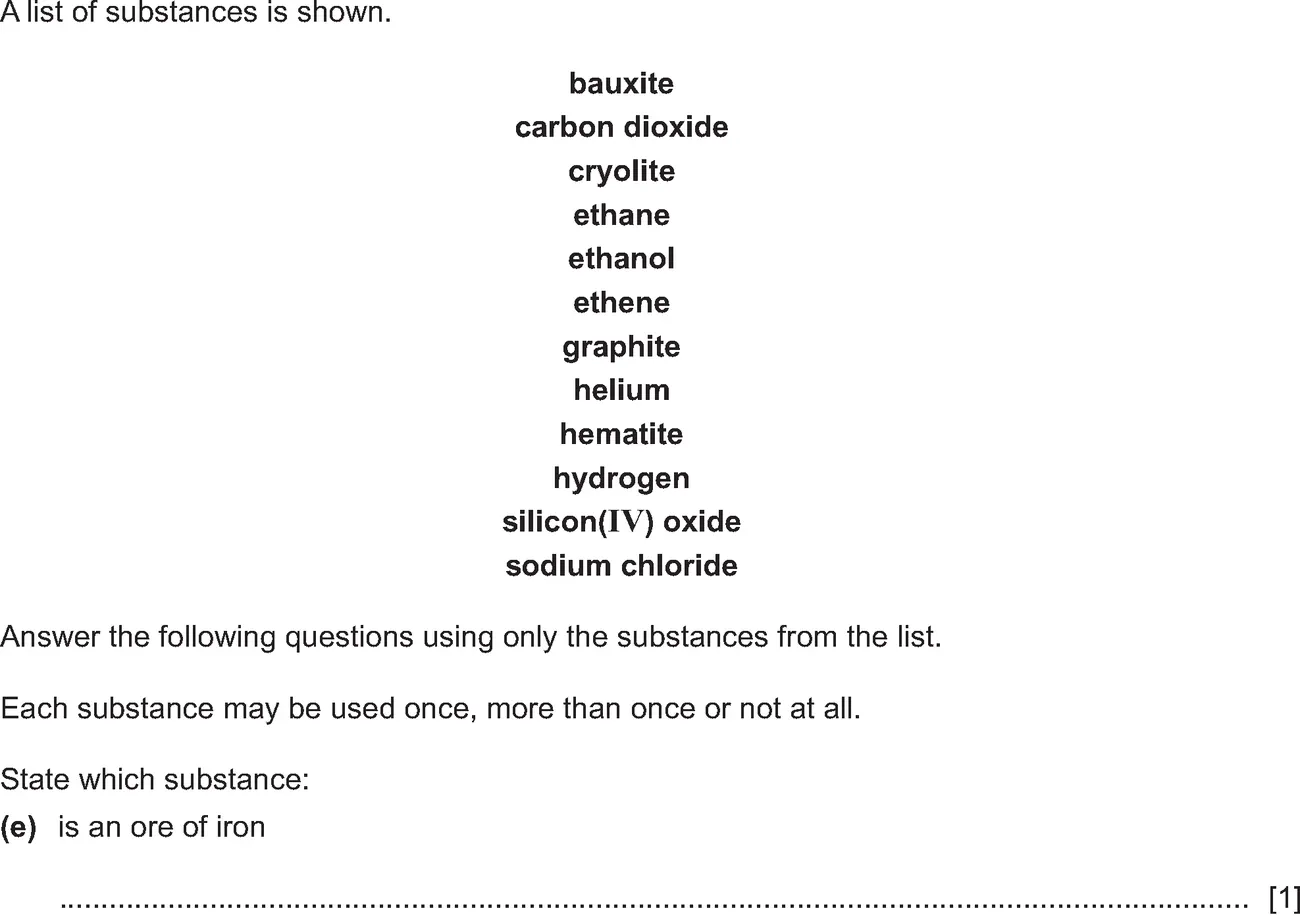
- Iron is found as haematite (iron oxide), aluminium as bauxite (aluminium oxide), copper in malachite (copper carbonate) and lead as lead sulfide.
- Native metals unreactive metals such as gold can be found as the metal itself.
Part 2 of 7Extraction and the reactivity series
- Carbon in the series carbon is a non-metal but can be placed in the series between aluminium and zinc.
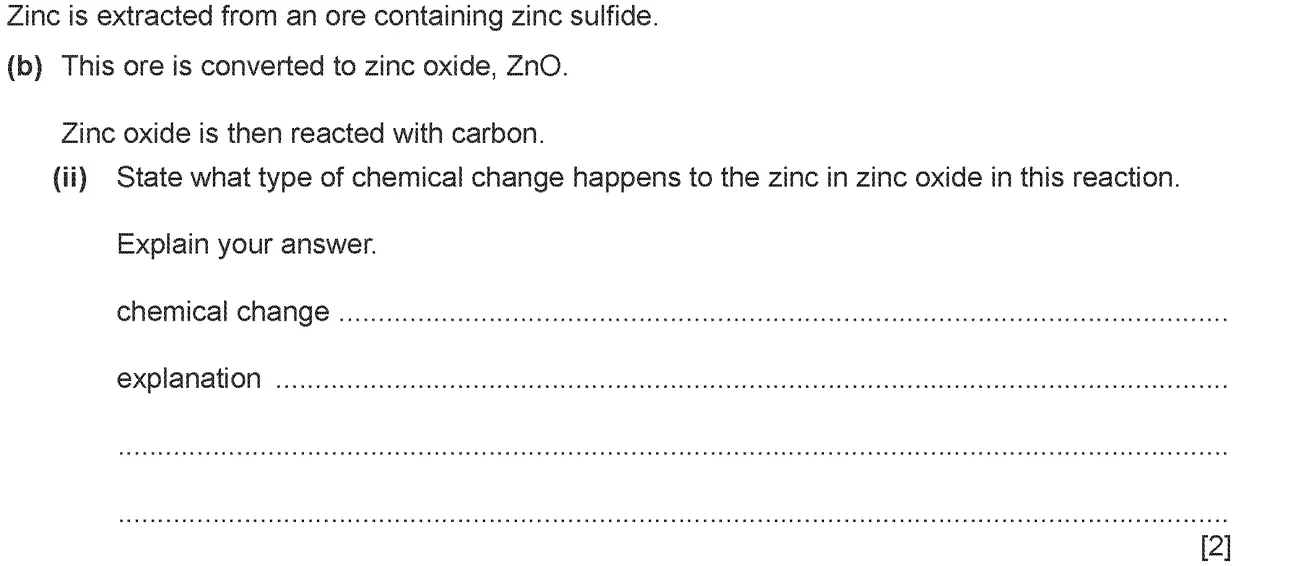
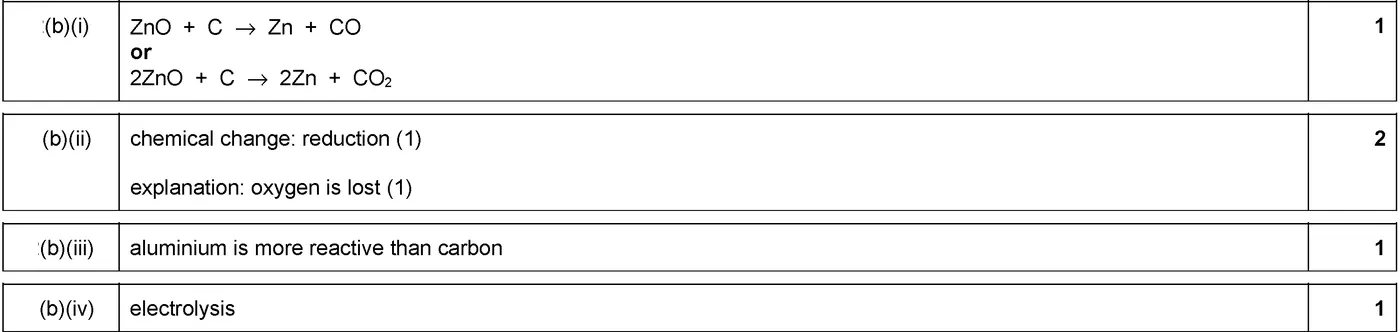
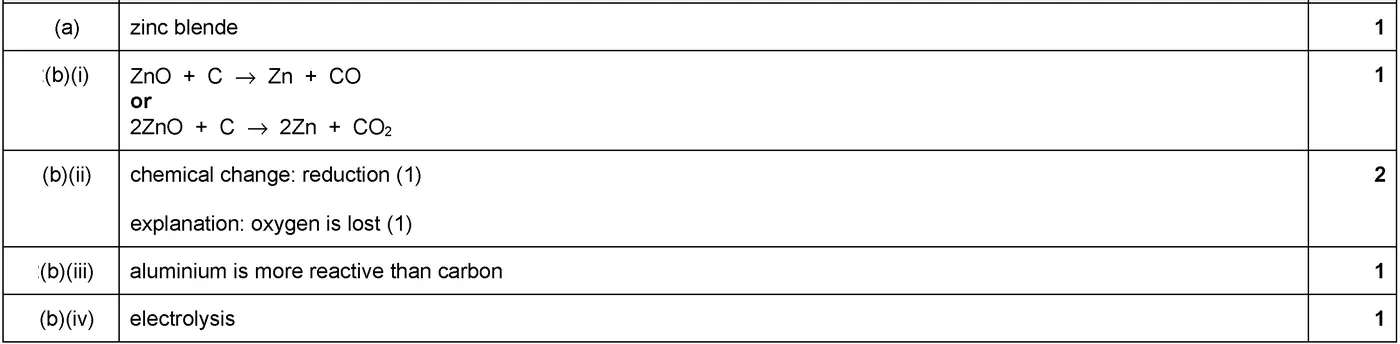
- Below carbon zinc, lead, iron, copper and silver are extracted from their oxides by heating with carbon, which is cheap and easy to obtain.
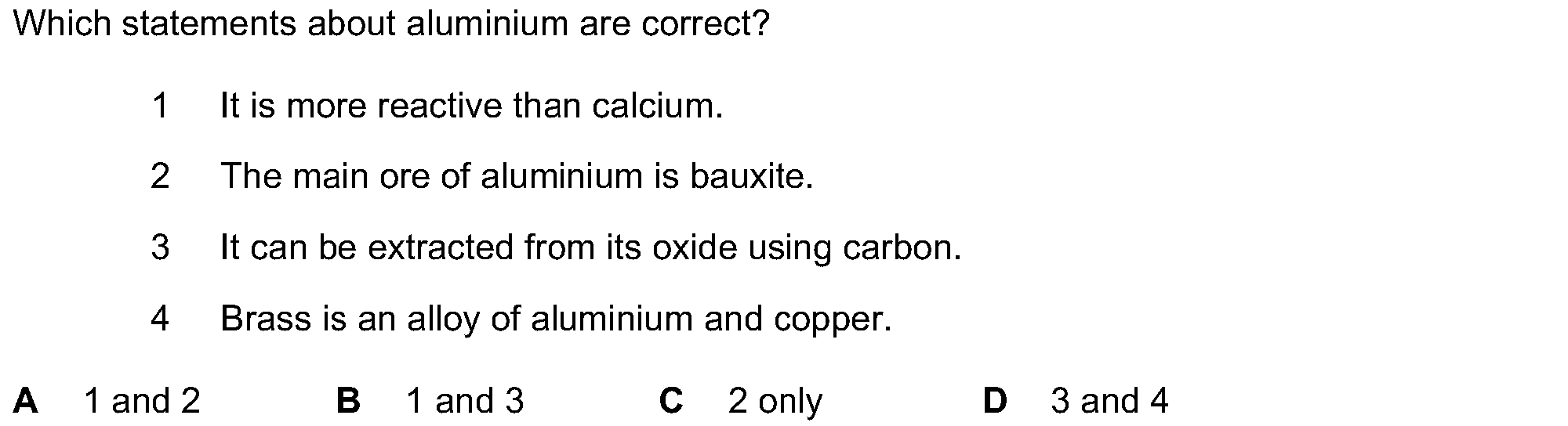
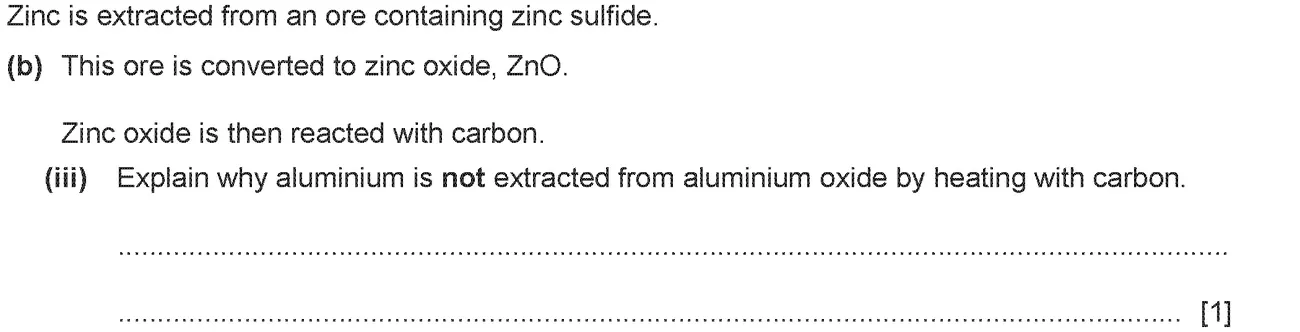
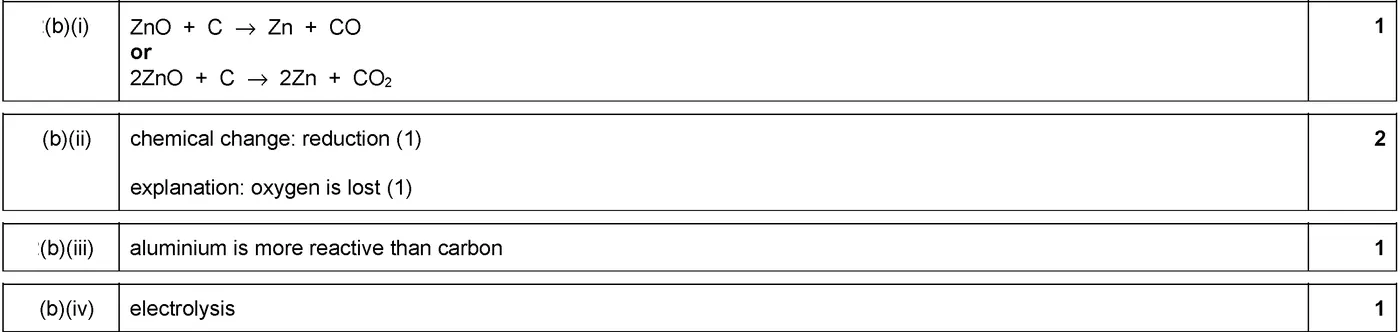
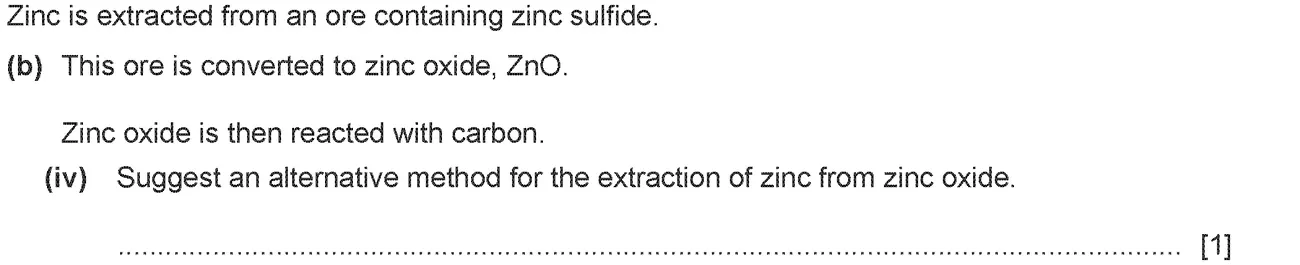
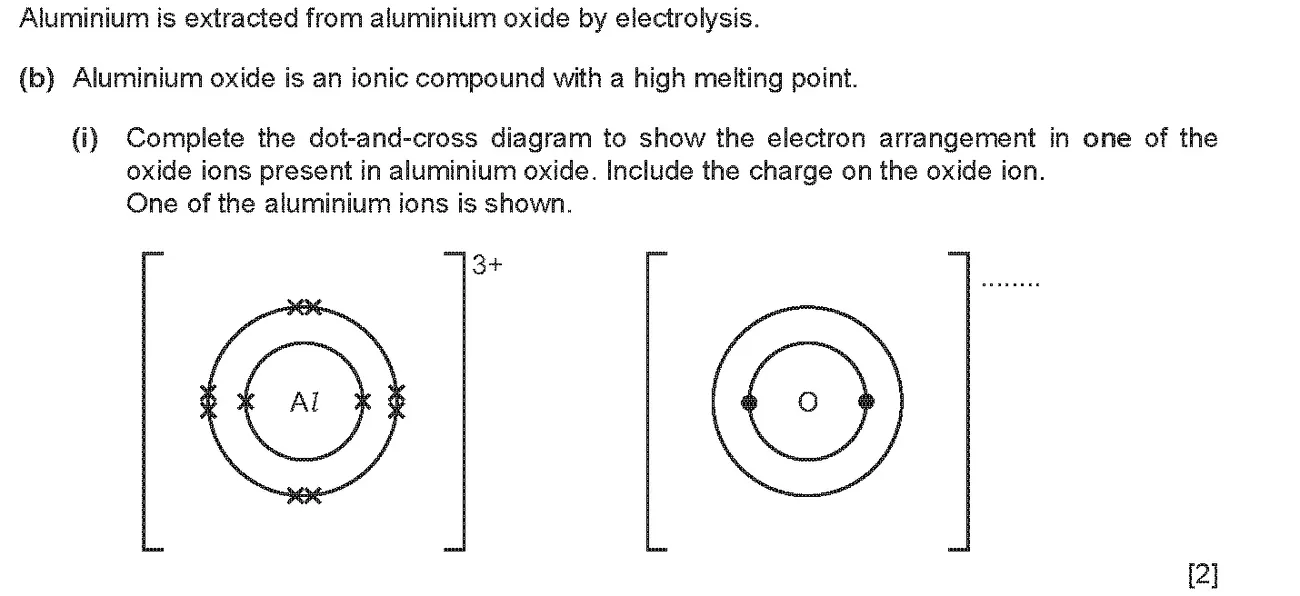
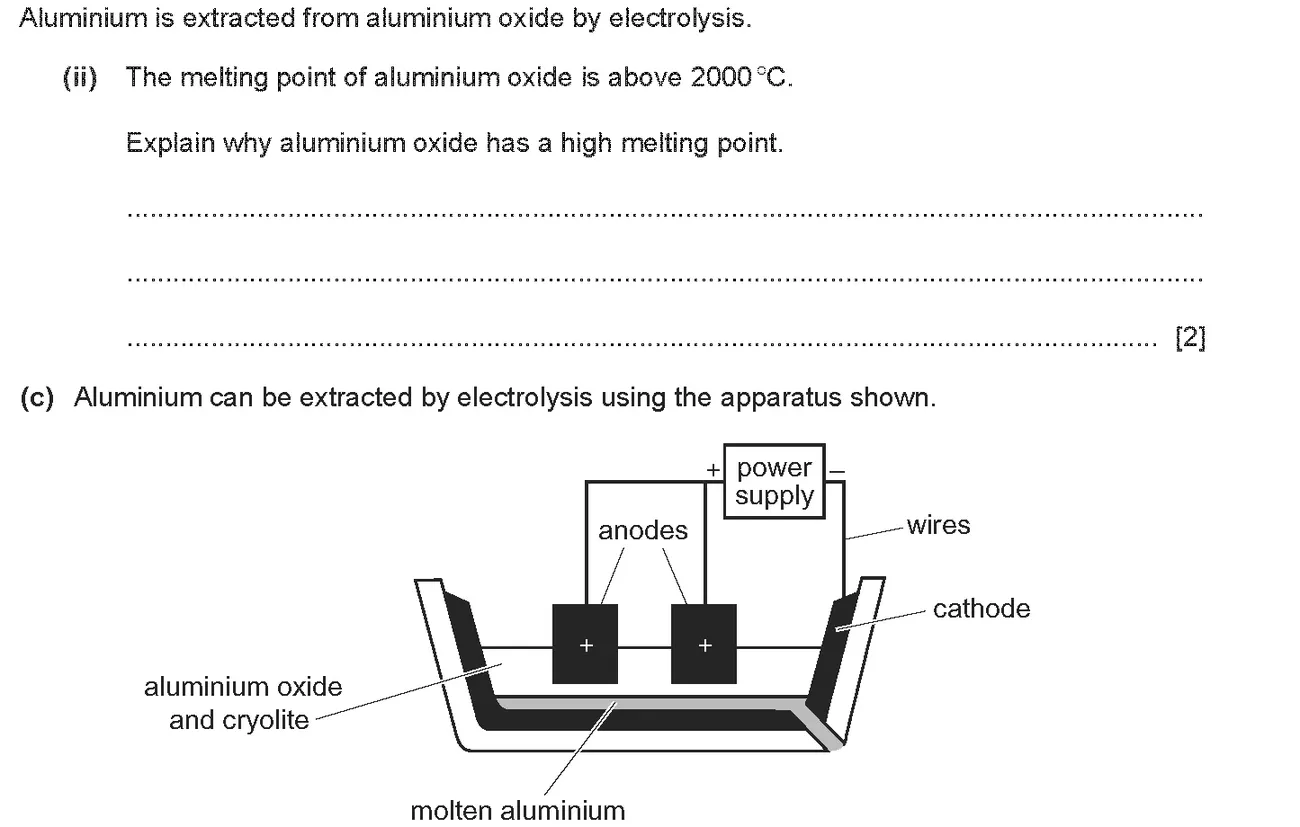
- Above carbon sodium, calcium, magnesium and aluminium are extracted by electrolysis.
| Position | Method | Examples |
|---|---|---|
| Above carbon | Electrolysis | Potassium, sodium, calcium, magnesium, aluminium |
| Below carbon | Heating with carbon | Zinc, iron, lead |
| Very low | Found native or by simple separation | Gold, silver |
Part 3 of 7Extracting iron with carbon
- Blast furnace iron ore, coke and limestone are fed in at the top and hot air is blown in near the bottom.
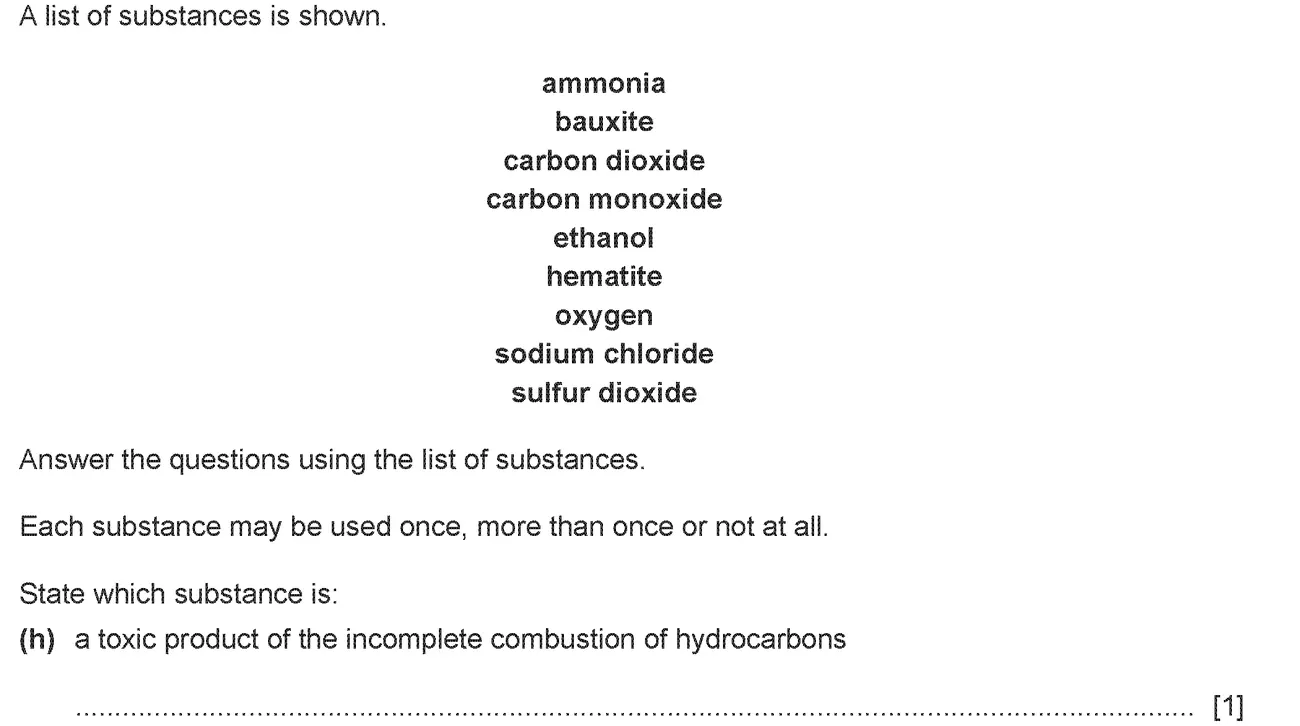
- Coke burns to carbon dioxide, which reacts with more coke to form carbon monoxide.
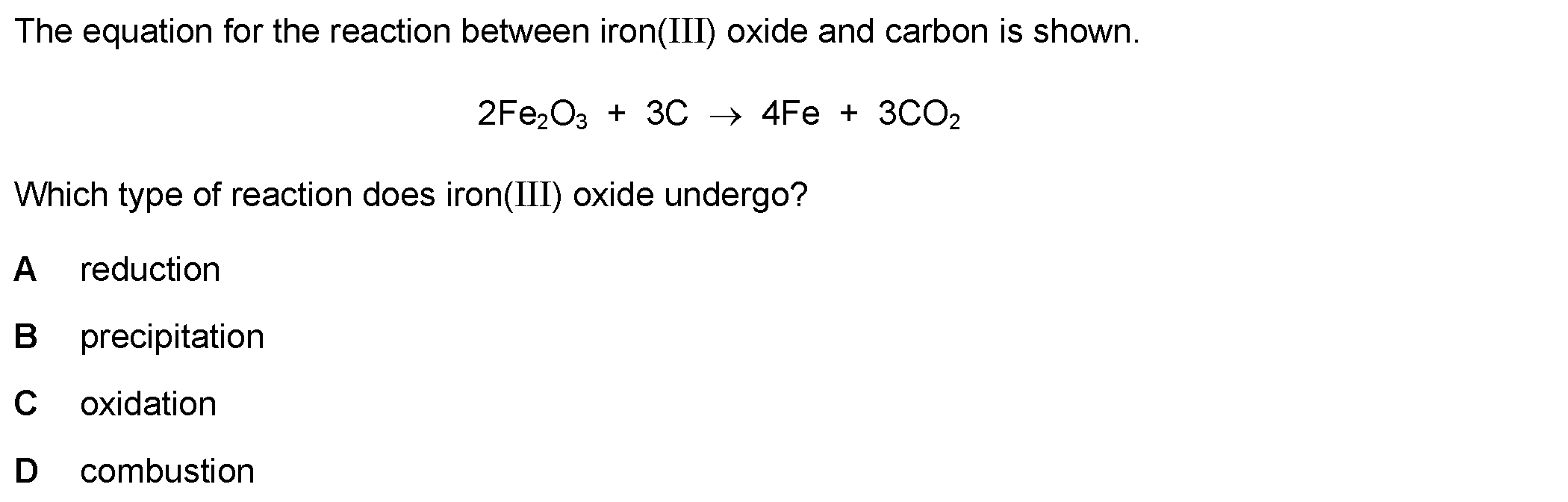
- Carbon monoxide reduces iron oxide to molten iron: iron oxide + carbon monoxide → iron + carbon dioxide.
- Limestone removes impurities such as sand by forming slag, which floats on the iron and is tapped off.
- Oxidation and reduction iron oxide is reduced (loses oxygen) and carbon is oxidised (gains oxygen).
- Use iron is made into steel by adding other elements, and the 55 km Hong Kong-Zhuhai-Macau Bridge, the longest sea-crossing bridge, is made of steel.
- Cost and environment the process is relatively cheap, but it releases carbon dioxide, a greenhouse gas.
Part 4 of 7Extracting lead
- Source
- lead exists as lead sulfide in the crust, and people have used lead for up to 8000 years.
- Uses
- lead is now used for roofing and to protect from X-rays.
Part 5 of 7Extracting reactive metals by electrolysis
- Aluminium
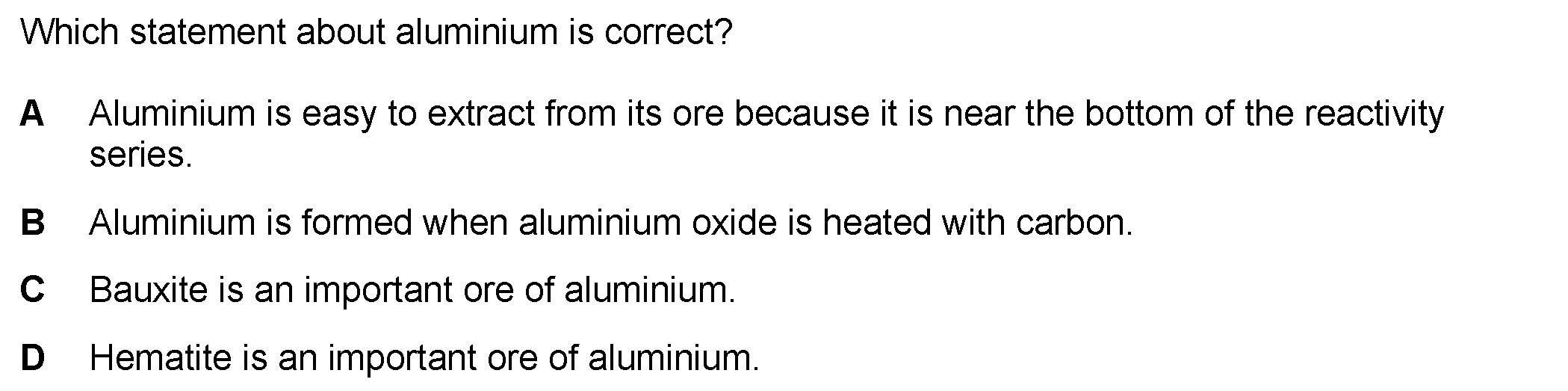
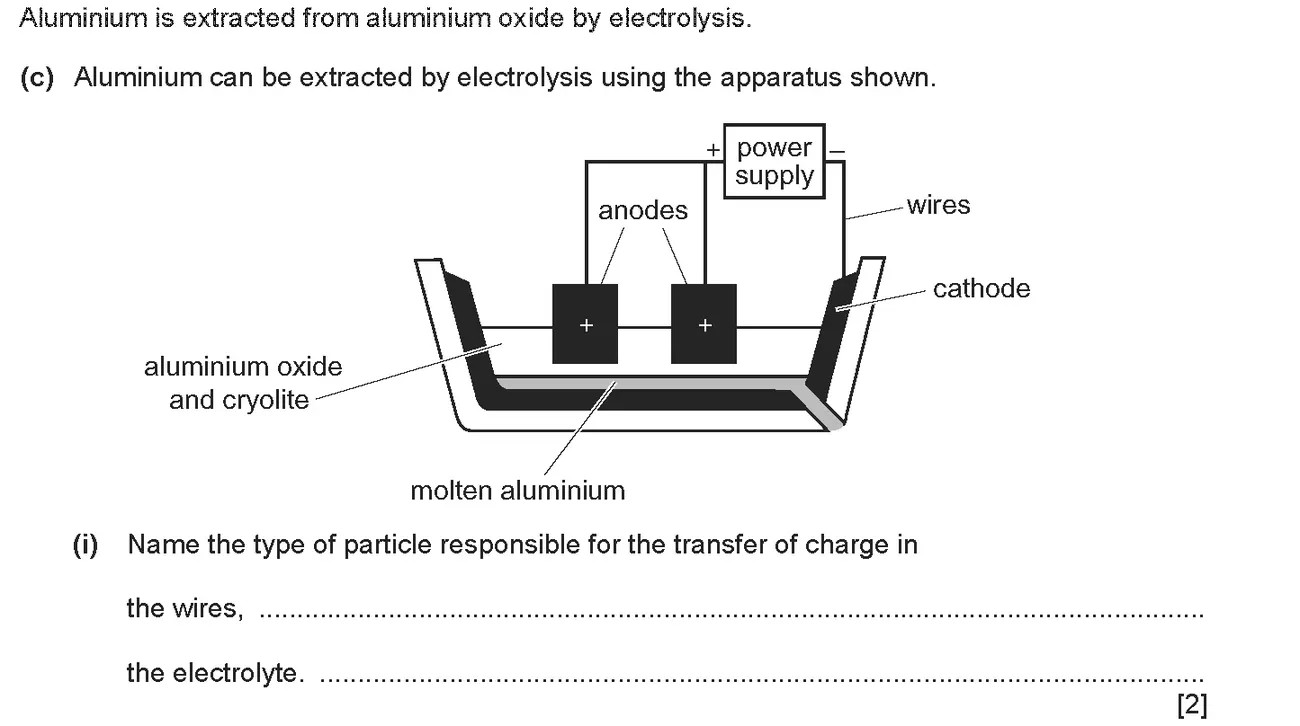
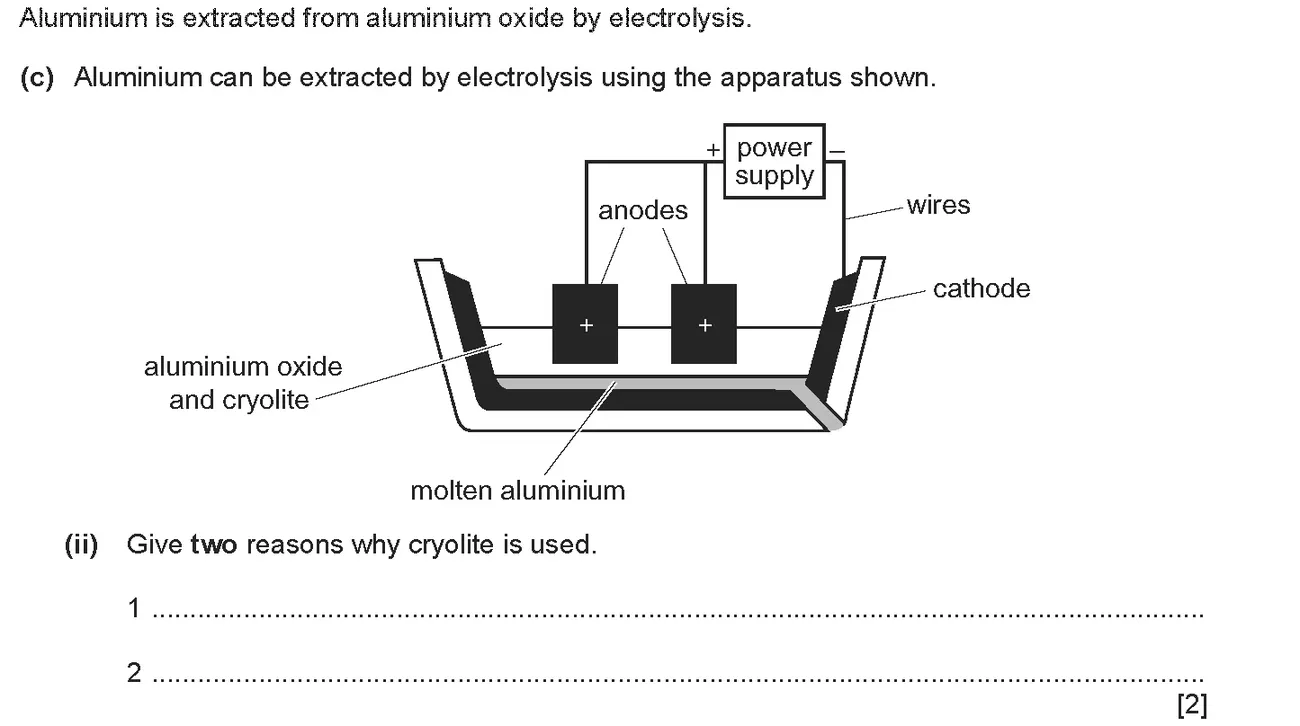
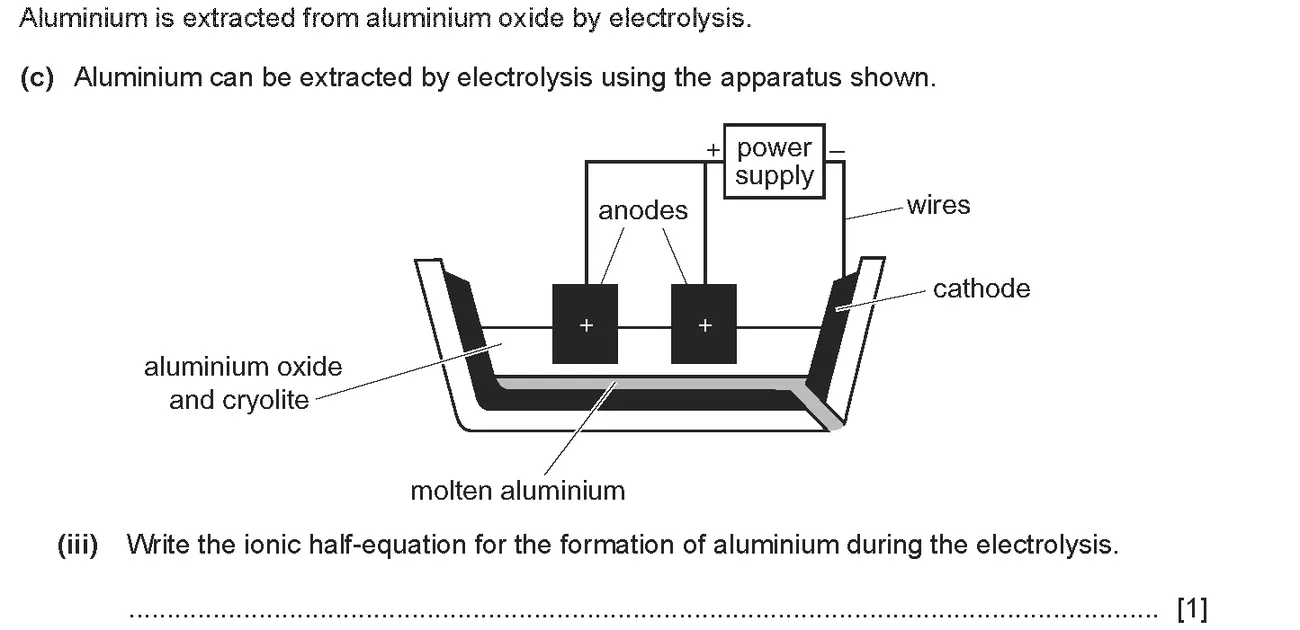
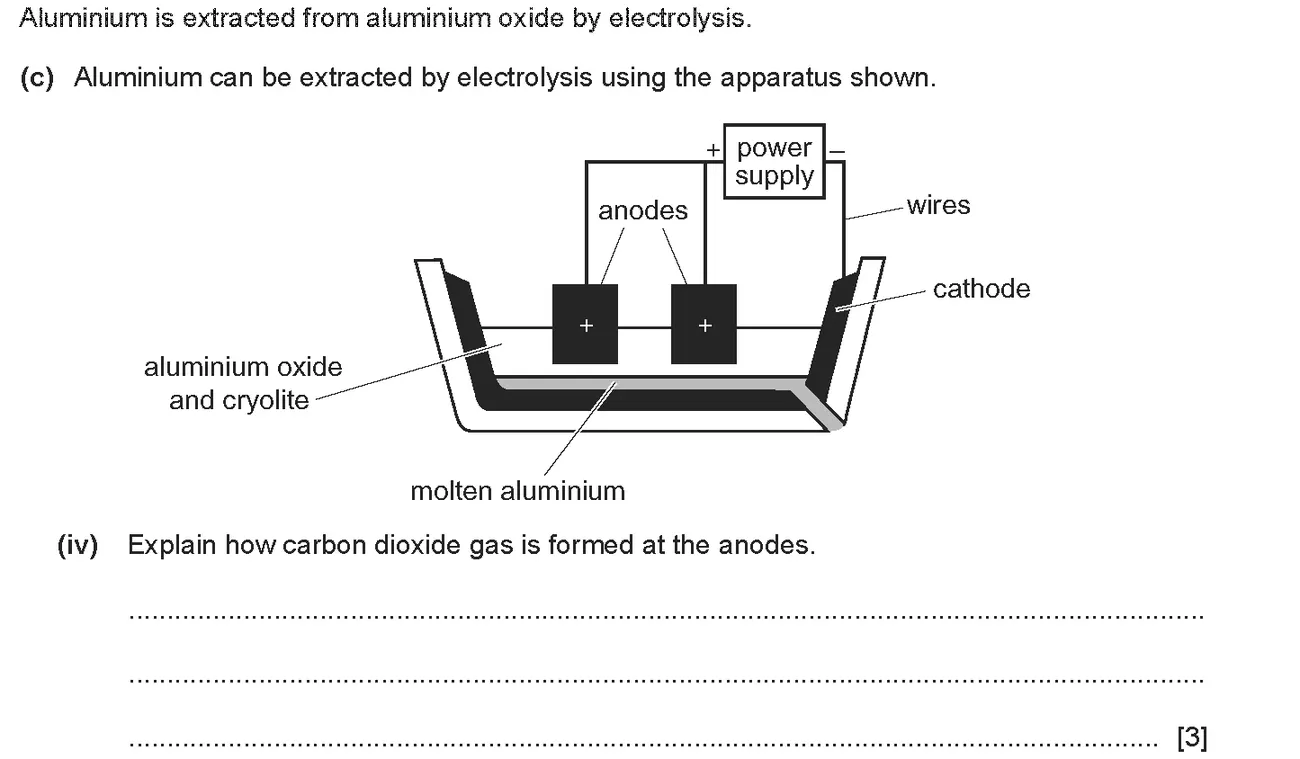
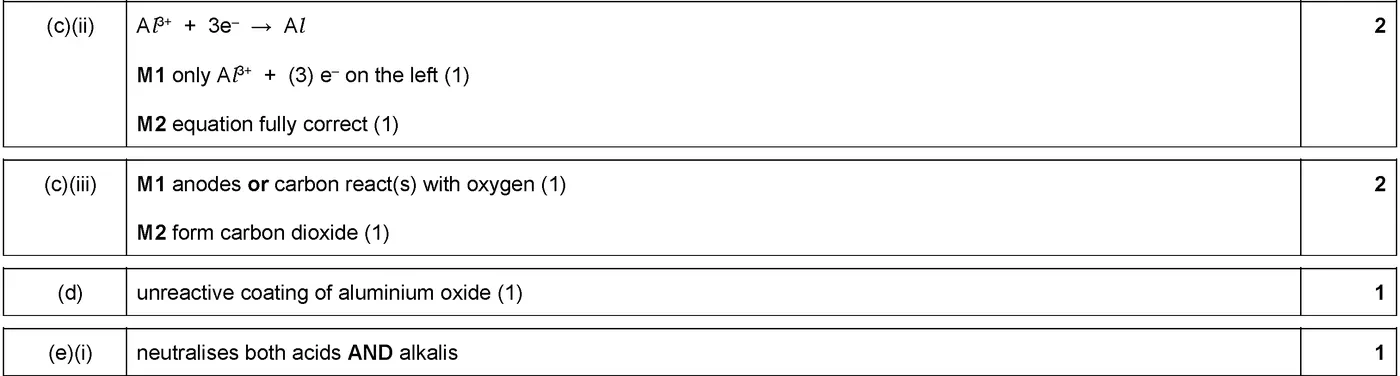
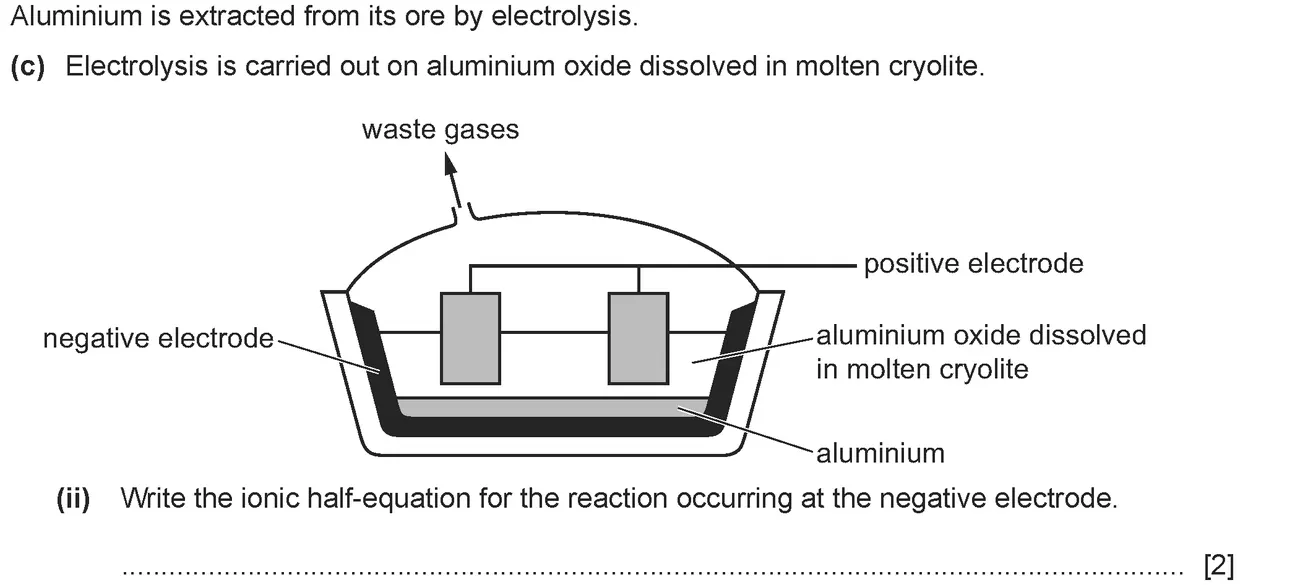
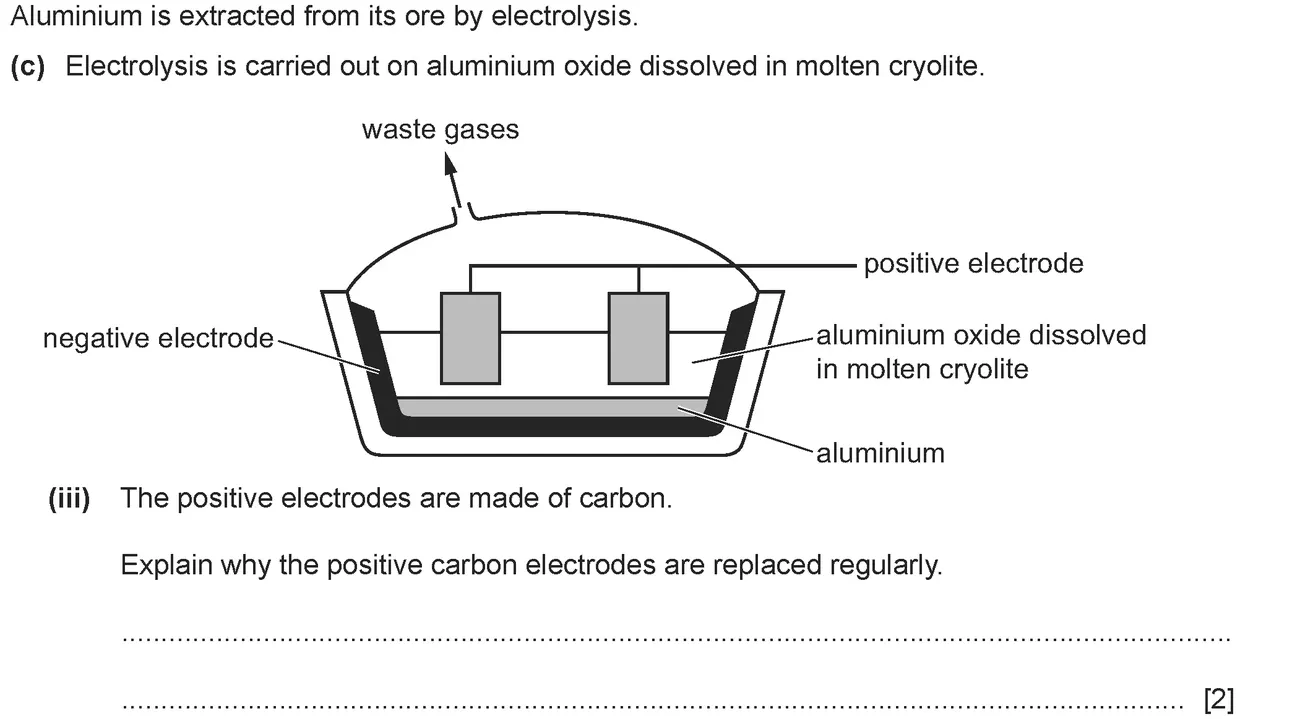
- carbon cannot remove oxygen from aluminium oxide, so electricity is used instead.
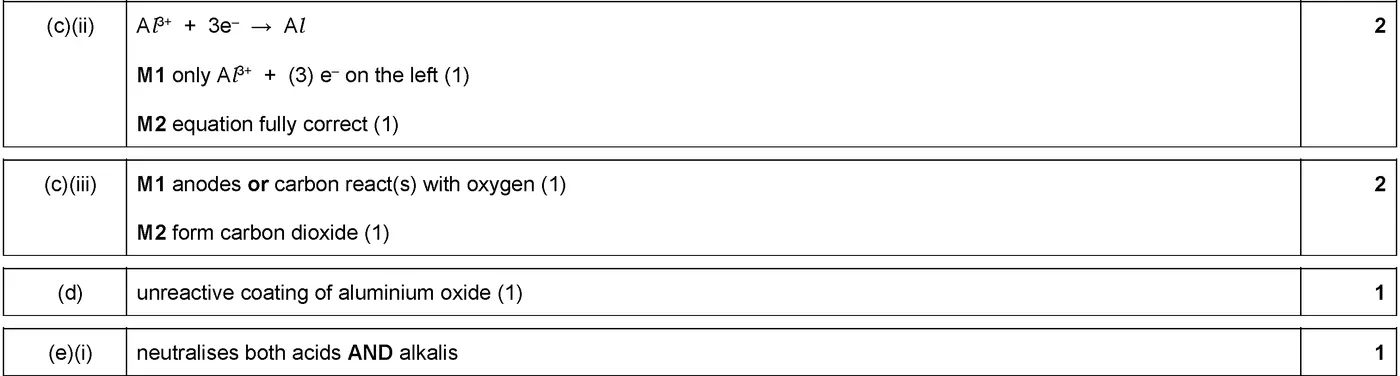
- Carbon anodes the oxygen burns away the carbon anodes, so they must be replaced regularly.
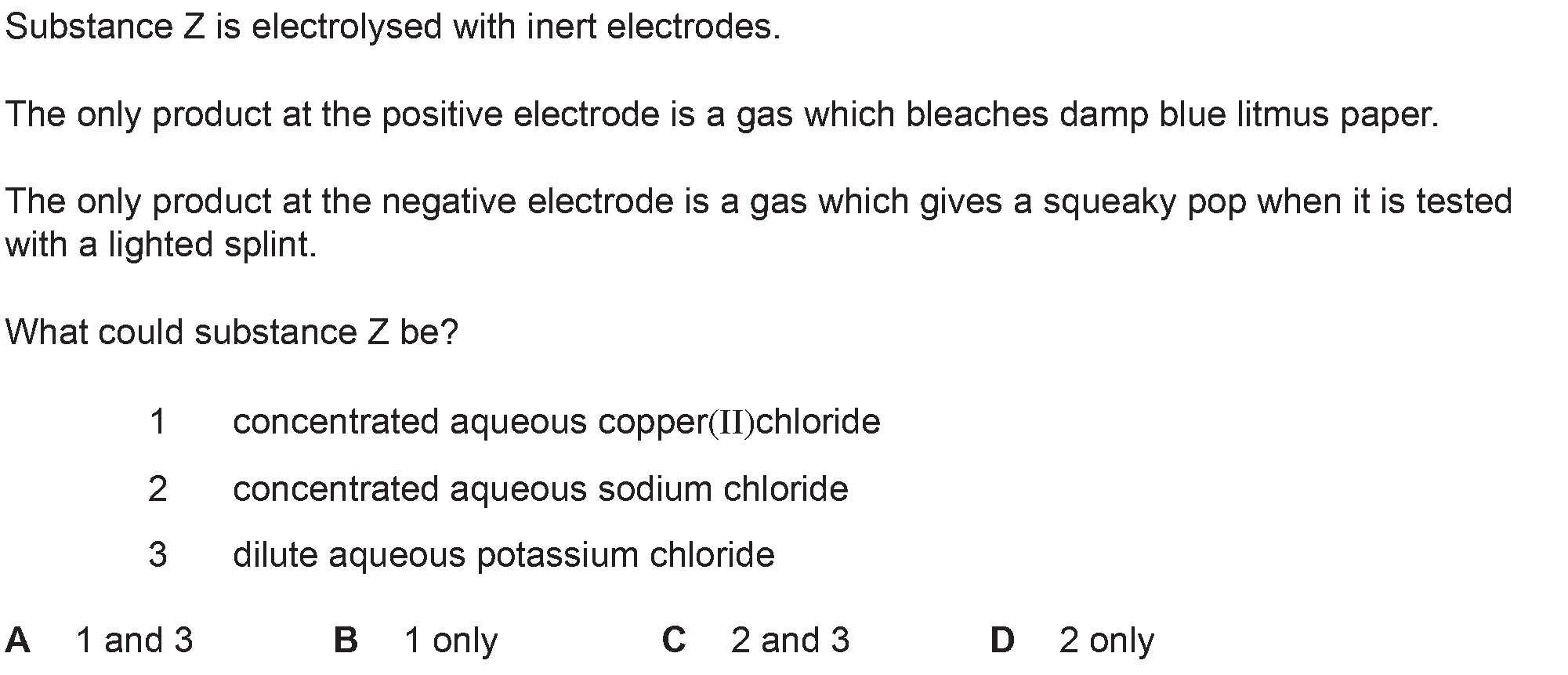
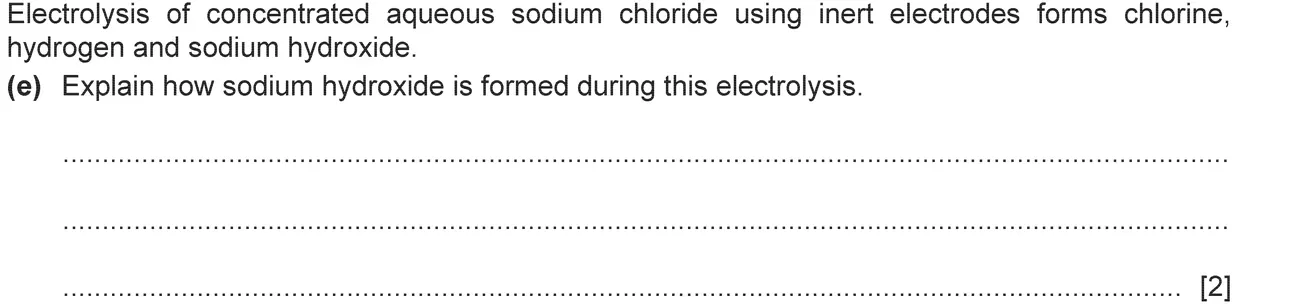
- Electrolysis in general positive metal ions move to the negative electrode (cathode) and gain electrons to form the metal.
- Other reactive metals are extracted this way, for example sodium from molten sodium chloride.
- Cost electrolysis uses a great deal of electricity, which is why aluminium is made near sources of cheap power.
Part 6 of 7Extracting gold
- Native gold gold is at the bottom of the series, is unreactive and is found as the element.
- Panning gold in stream beds mixed with sand and gravel is separated by placing the mixture in a pan with water,
- because gold has a higher density and sinks to the bottom.
Part 7 of 7Sustainability
- Mining it takes land, uses energy and may pollute.
- Recycling it saves ores and energy;
- recycling aluminium needs only about 5% of the energy of making it from ore.
- Balance governments and industry balance economic needs with environmental effects.
Key terms
| Term | Meaning |
|---|---|
| Ore | a rock from which a metal can be extracted for profit. |
| Reduction | the loss of oxygen from a compound. |
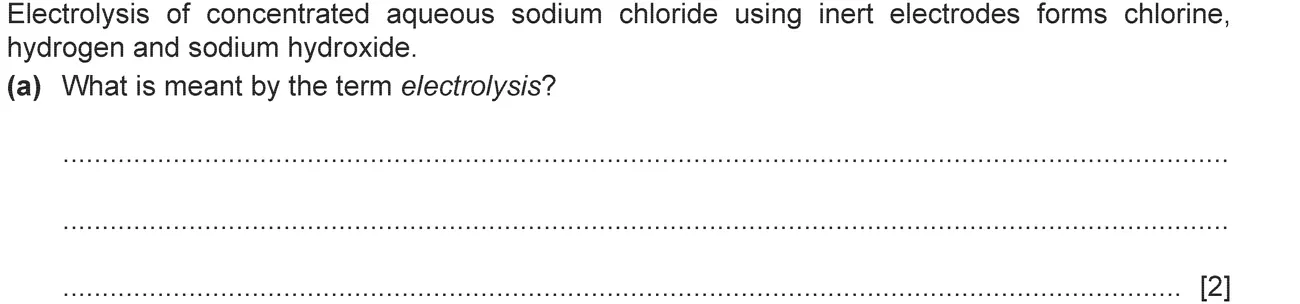
| Electrolysis | breaking down a molten or dissolved ionic compound using electricity. |
| Native metal | a metal found uncombined in nature. |
| Slag | waste formed in the blast furnace from impurities and limestone. |
| Bauxite | the ore of aluminium, mainly aluminium oxide. |
Avoid these mistakes
Marked practiceQuizzes for this lesson
?What do you want to solve now?
✓Checkpoint Quiz
23 multiple-choice + 8 written questions from real exam papers on this lesson.
Question 1 of 23 1:30
Question 2 of 23 1:30

Question 3 of 23 1:30

Question 4 of 23 1:30
Question 5 of 23 1:30

Question 6 of 23 1:30

Question 7 of 23 1:30
Question 8 of 23 1:30
Question 9 of 23 1:30
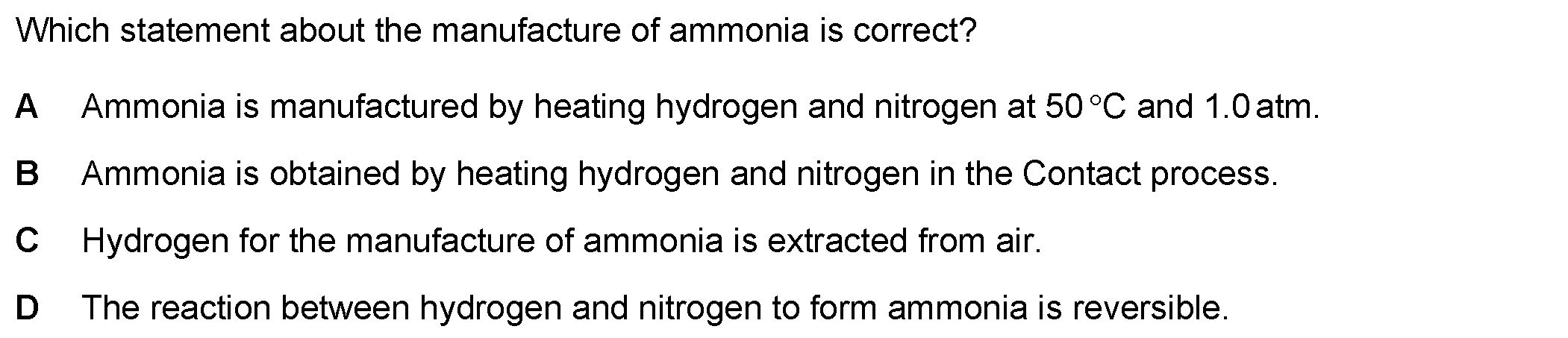
Question 10 of 23 1:30

Question 11 of 23 1:30

Question 12 of 23 1:30
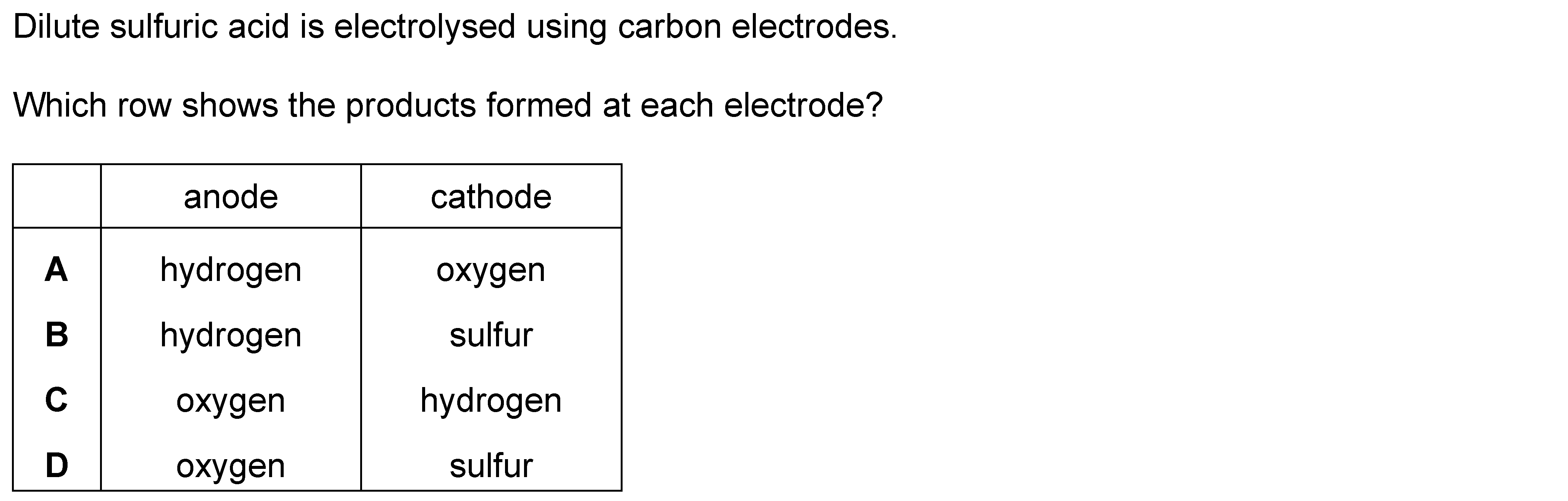
Question 13 of 23 1:30

Question 14 of 23 1:30

Question 15 of 23 1:30

Question 16 of 23 1:30
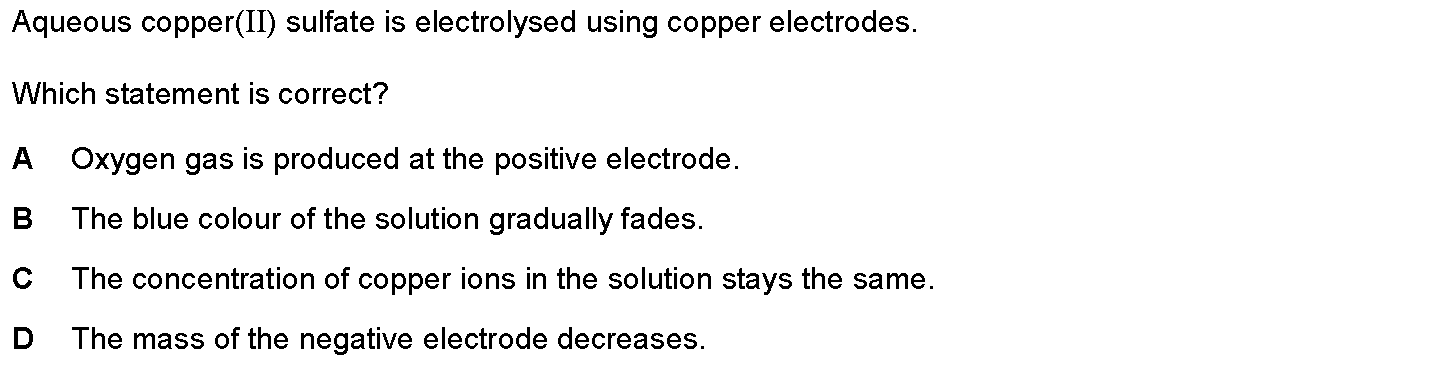
Question 17 of 23 1:30
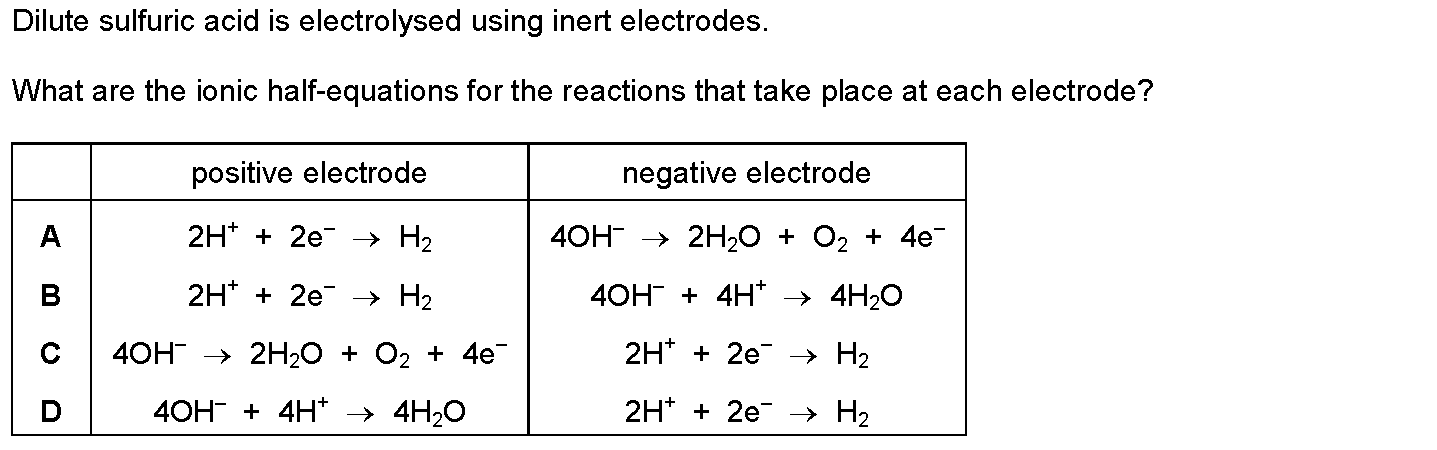
Question 18 of 23 1:30
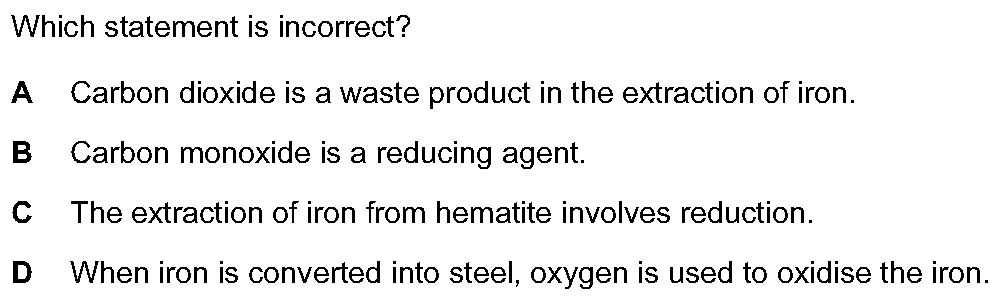
Question 19 of 23 1:30

Question 20 of 23 1:30
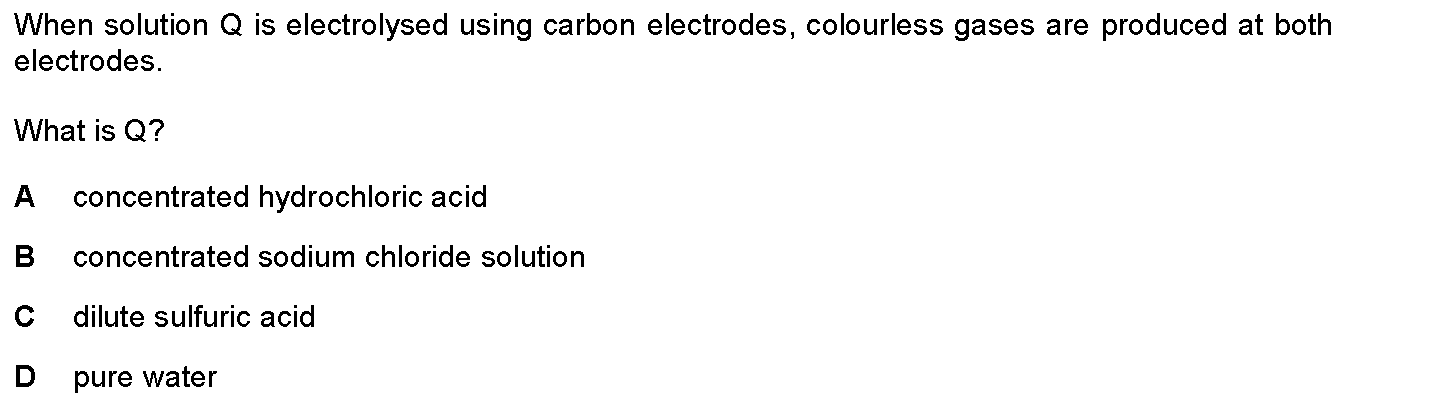
Question 21 of 23 1:30
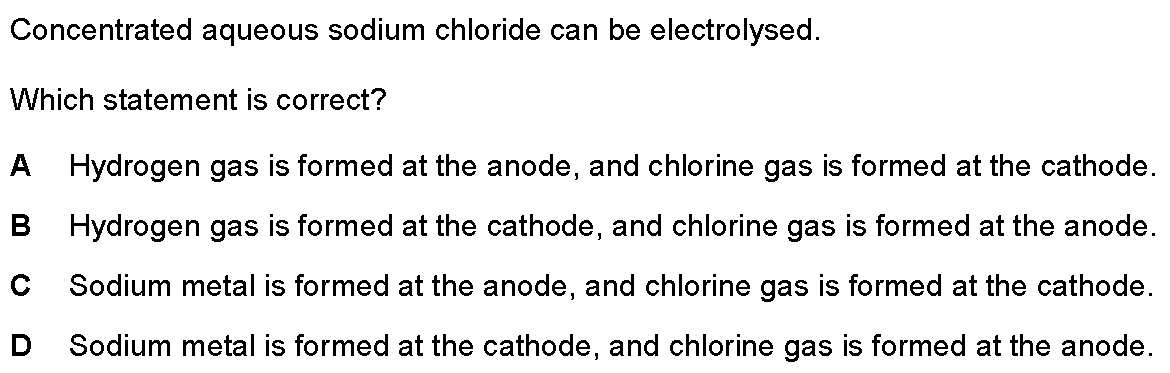
Question 22 of 23 1:30
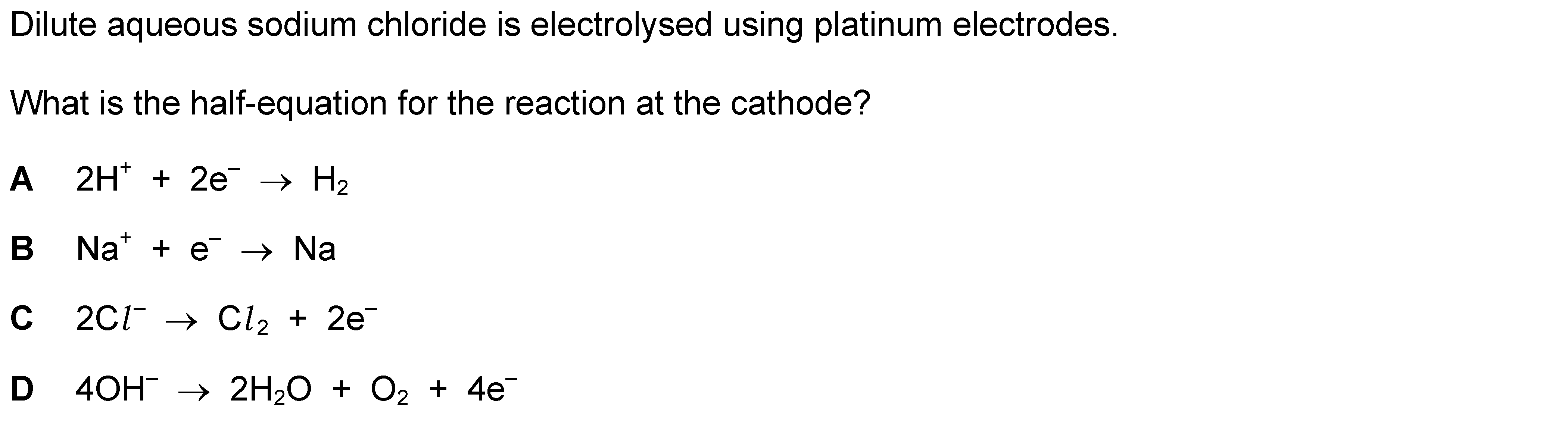
Question 23 of 23 1:30

Answer key
1 D2 C3 A4 A5 A6 C7 C8 C9 D10 B11 D12 C13 A14 B15 B16 C17 C18 D19 A20 C21 B22 A23 D
Written question 1 of 8 · part (a) (1 / 5) 3:00
Show the answer

Written question 1 of 8 · part (b) (2 / 5) 3:00

Show the answer

Written question 1 of 8 · part (c) (3 / 5) 3:00

Show the answer
Written question 1 of 8 · part (d) (4 / 5) 3:00

Show the answer
Written question 1 of 8 · part (e) (5 / 5) 3:00
Show the answer
Written question 2 of 8 · part (d) (1 / 4) 3:00
Show the answer
Written question 2 of 8 · part (e) (2 / 4) 3:00
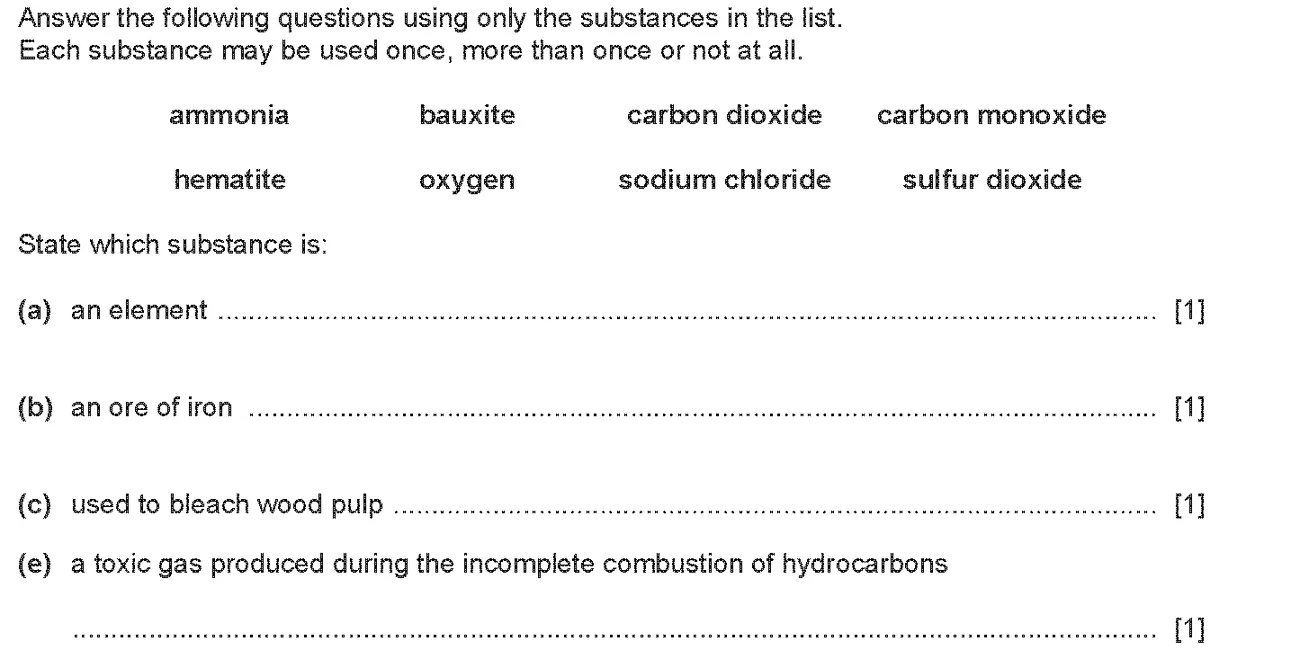
Show the answer
Written question 2 of 8 · part (f) (3 / 4) 3:00
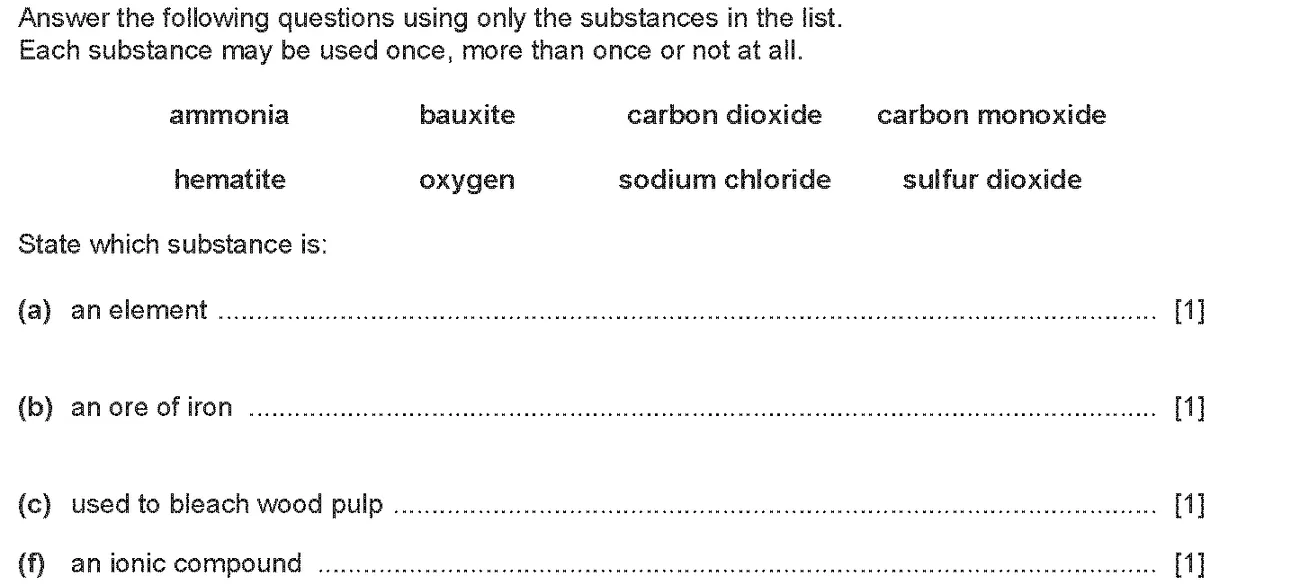
Show the answer
Written question 2 of 8 · part (g) (4 / 4) 3:00

Show the answer
Written question 3 of 8 · part (a) (1 / 9) 3:00
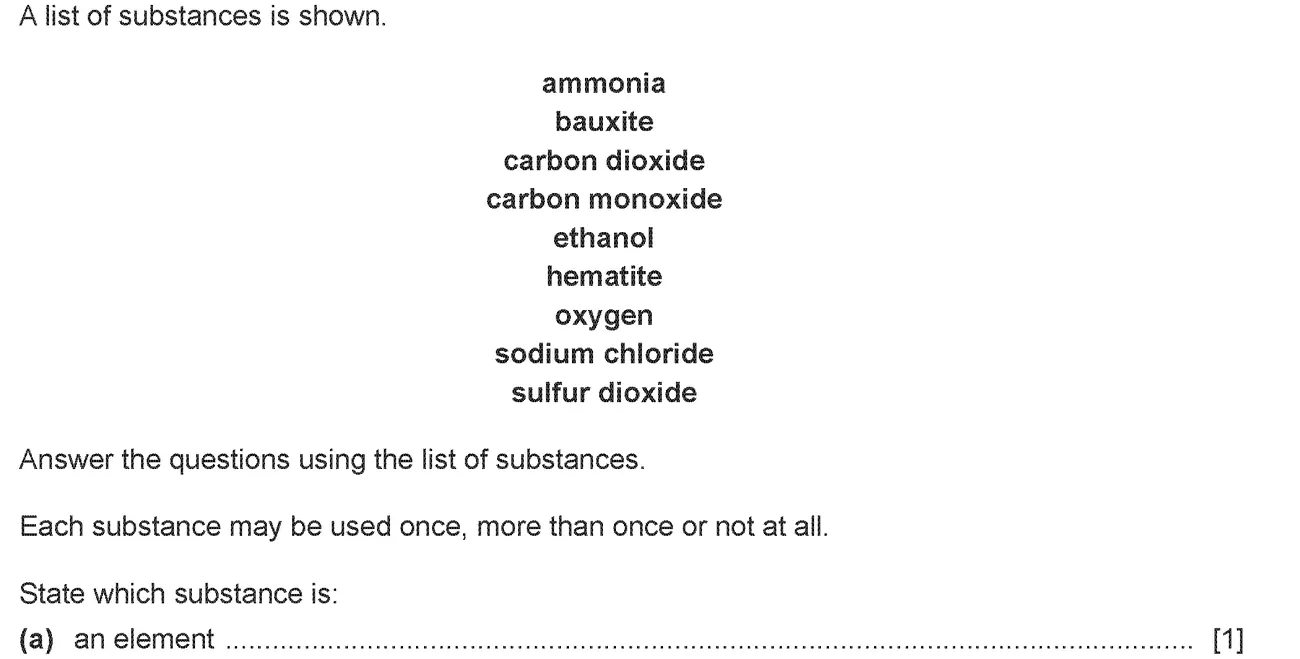
Show the answer

Written question 3 of 8 · part (b) (2 / 9) 3:00
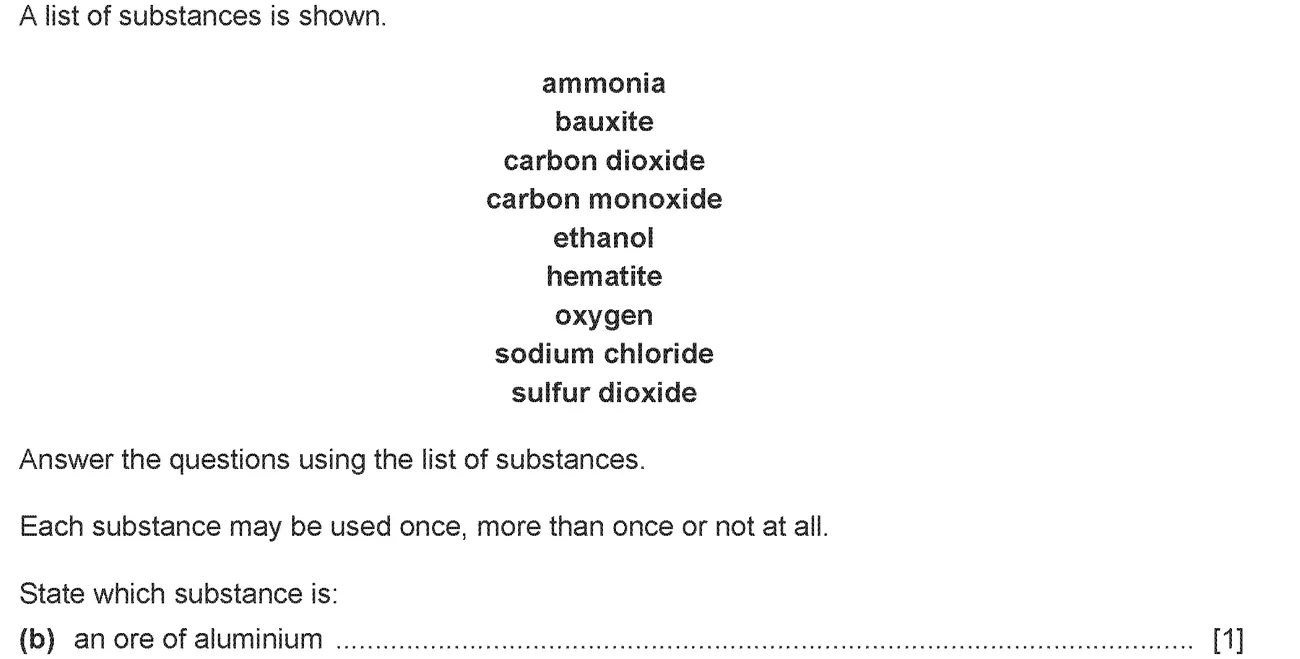
Show the answer
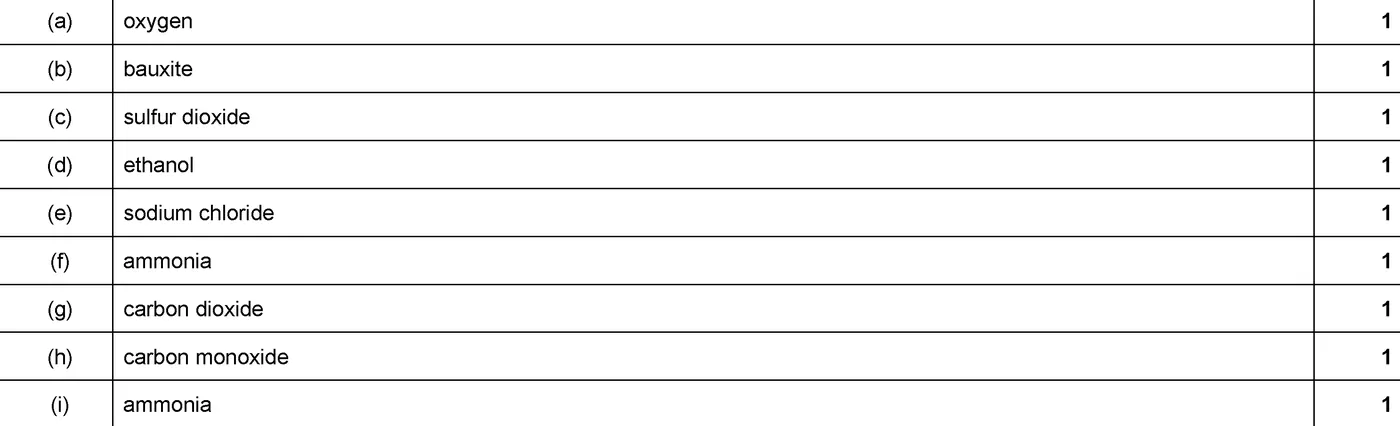
Written question 3 of 8 · part (c) (3 / 9) 3:00

Show the answer

Written question 3 of 8 · part (d) (4 / 9) 3:00

Show the answer

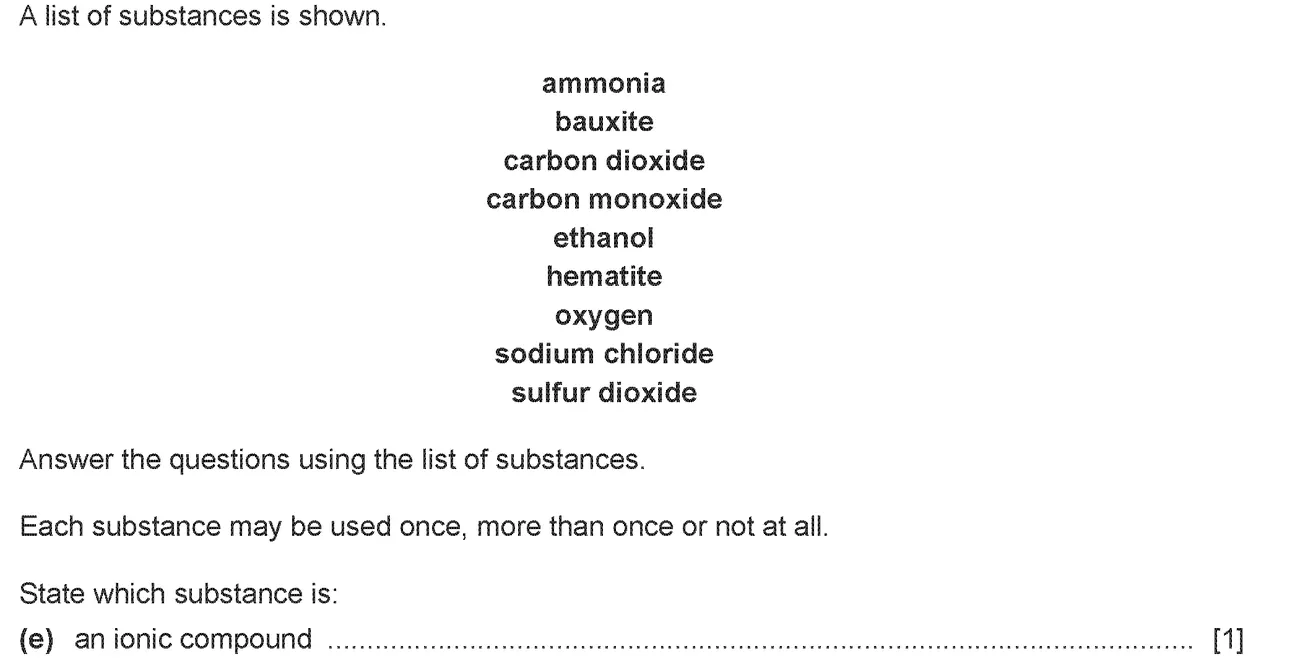
Written question 3 of 8 · part (e) (5 / 9) 3:00
Show the answer

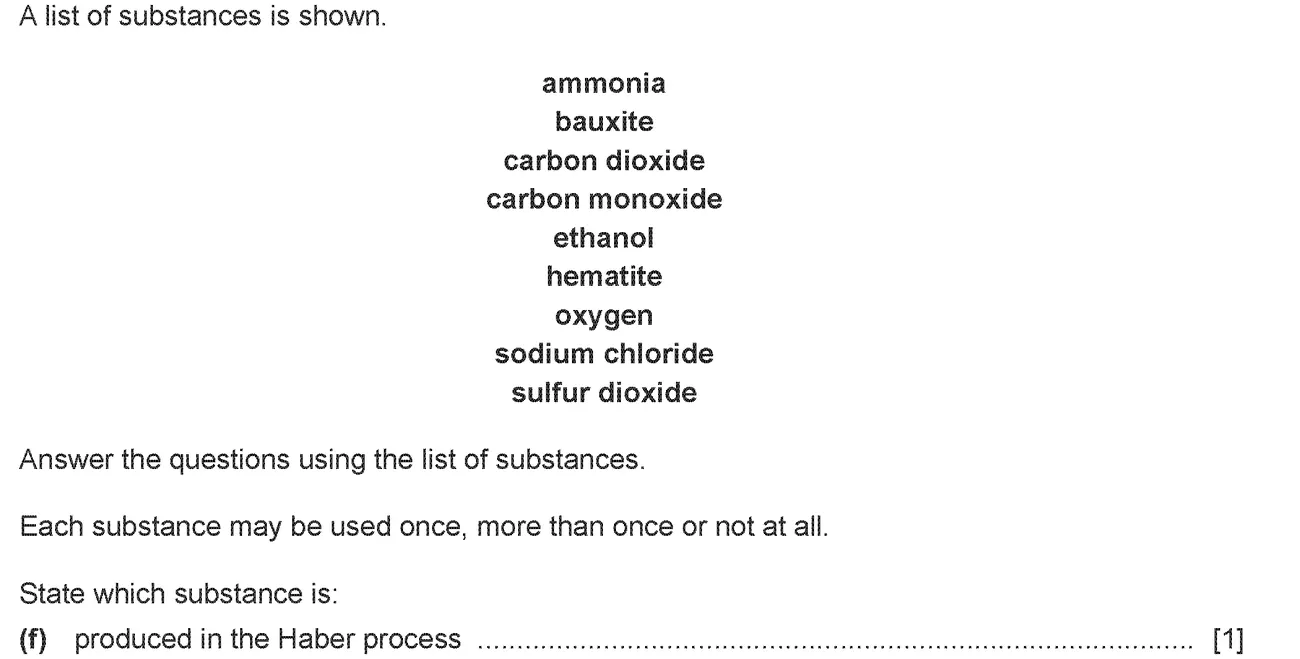
Written question 3 of 8 · part (f) (6 / 9) 3:00
Show the answer

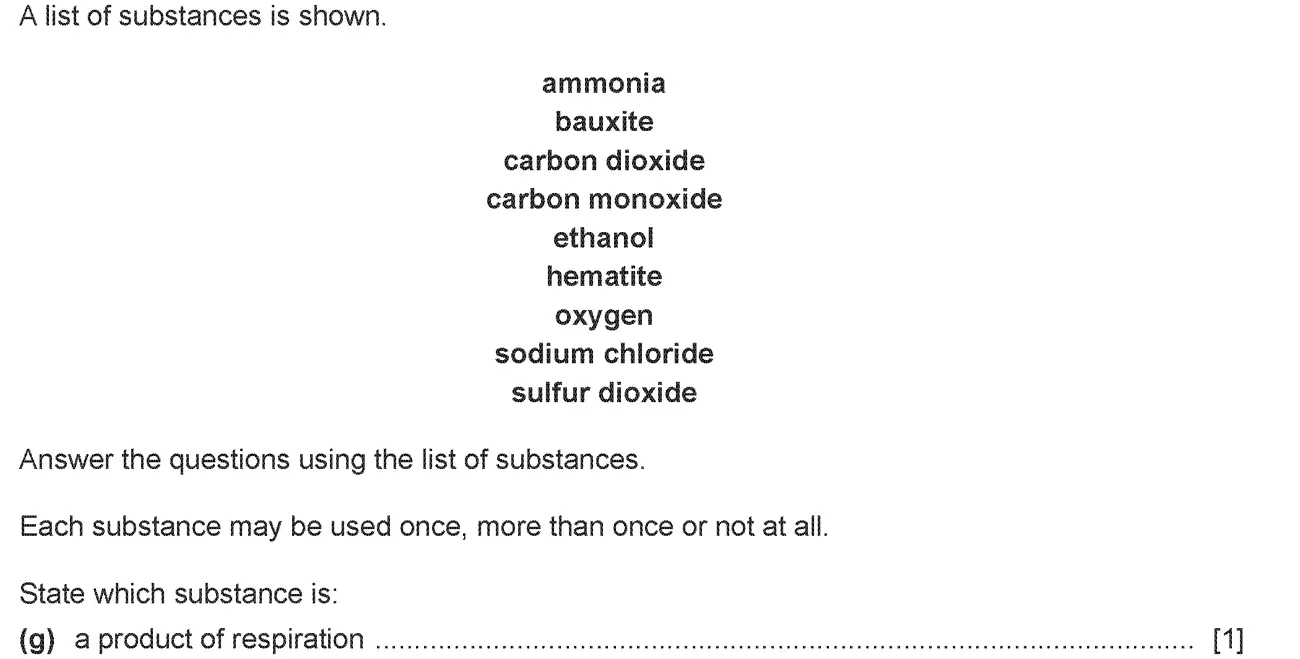
Written question 3 of 8 · part (g) (7 / 9) 3:00
Show the answer
Written question 3 of 8 · part (h) (8 / 9) 3:00
Show the answer
Written question 3 of 8 · part (i) (9 / 9) 3:00
Show the answer
Written question 4 of 8 · part (a) (1 / 9) 3:00
Show the answer
Written question 4 of 8 · part (b) (2 / 9) 3:00
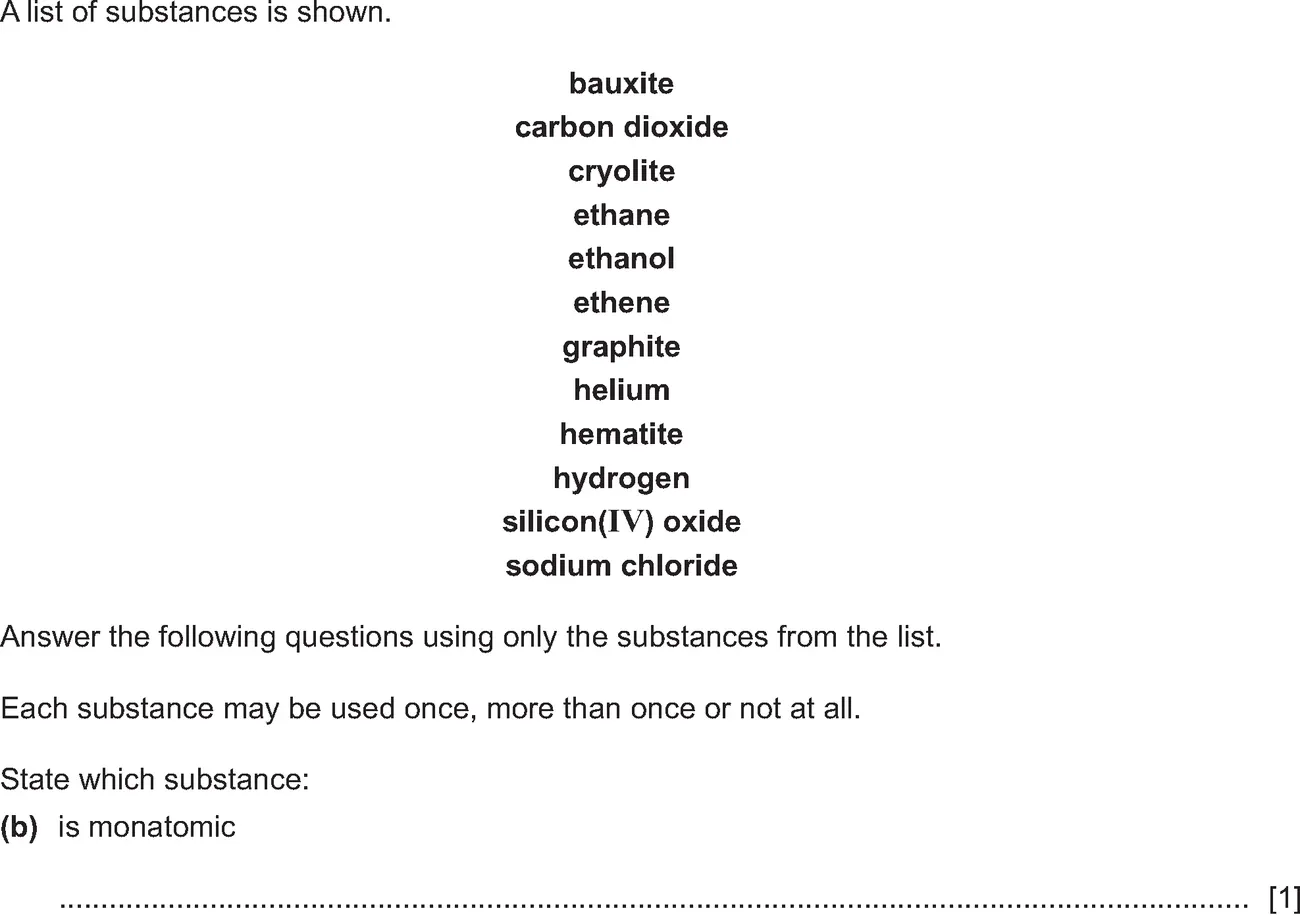
Show the answer
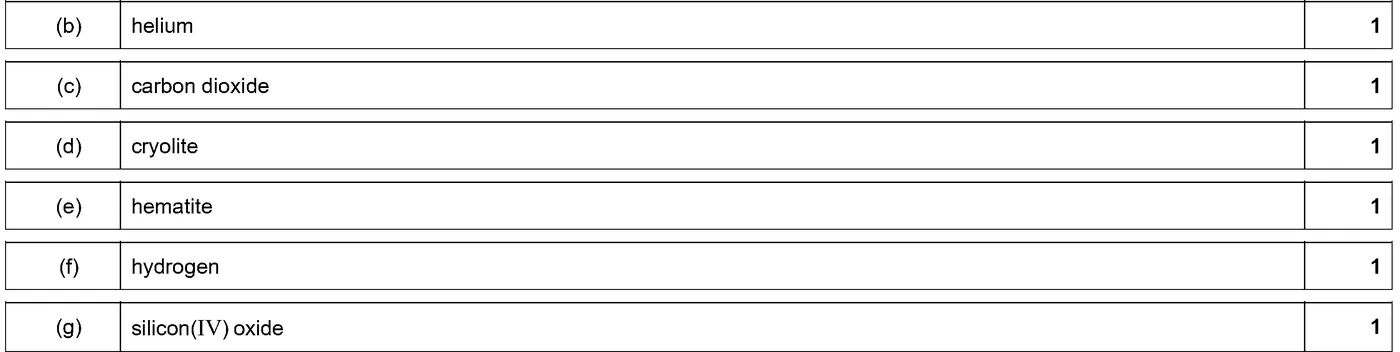
Written question 4 of 8 · part (c) (3 / 9) 3:00
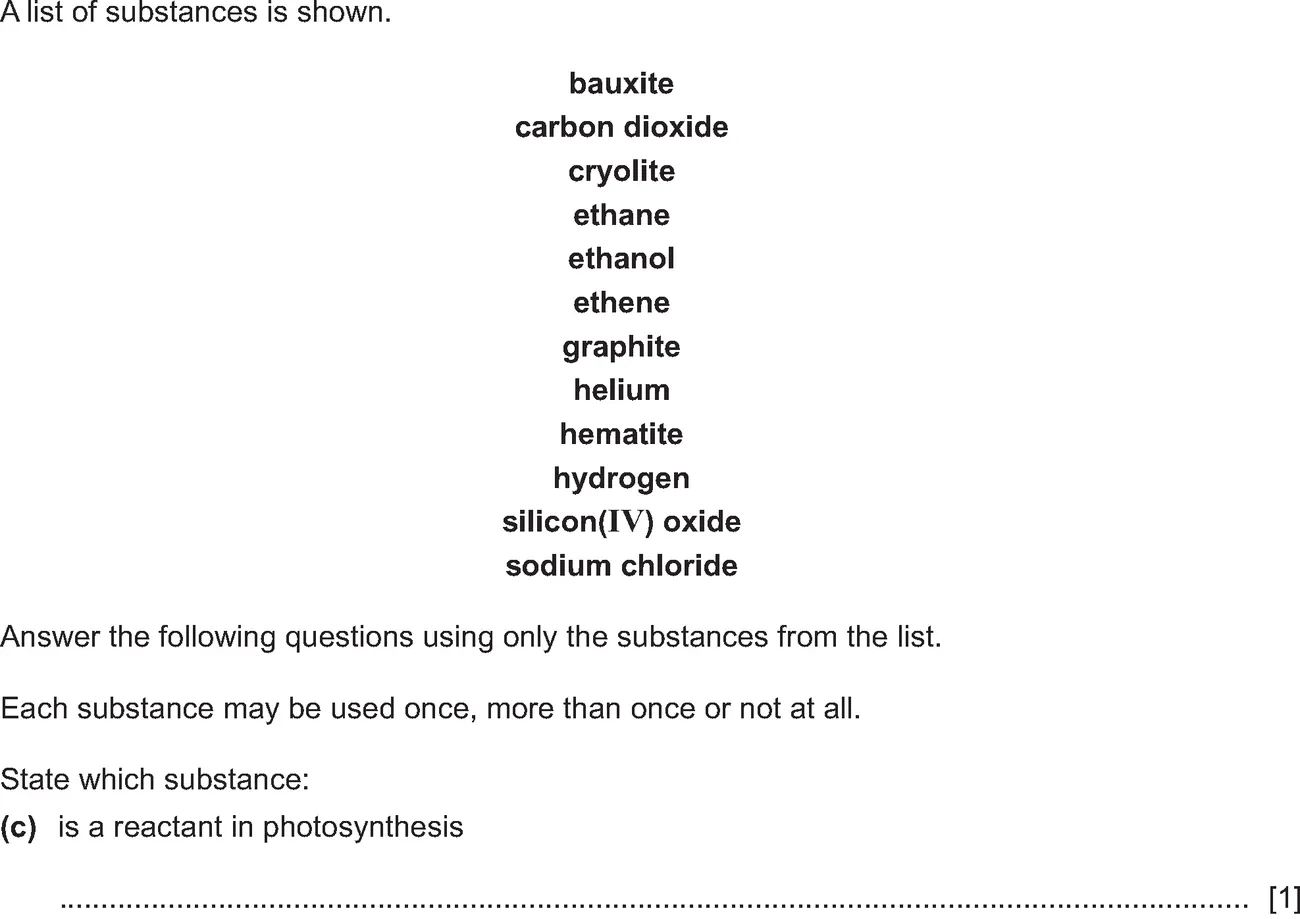
Show the answer
Written question 4 of 8 · part (d) (4 / 9) 3:00
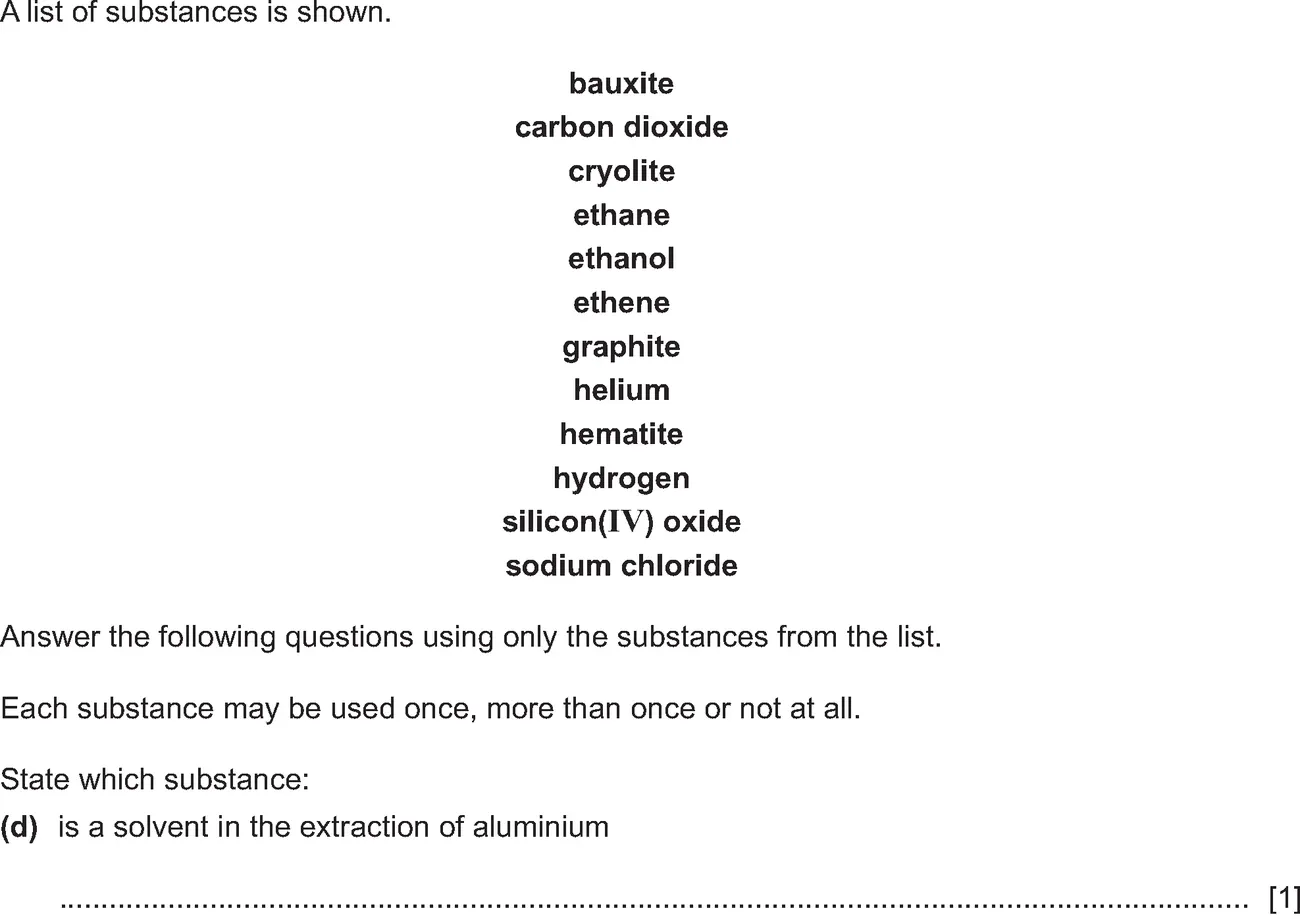
Show the answer
Written question 4 of 8 · part (e) (5 / 9) 3:00
Show the answer
Written question 4 of 8 · part (f) (6 / 9) 3:00
Show the answer
Written question 4 of 8 · part (g) (7 / 9) 3:00
Show the answer
Written question 4 of 8 · part (h) (8 / 9) 3:00
Show the answer

Written question 4 of 8 · part (i) (9 / 9) 3:00
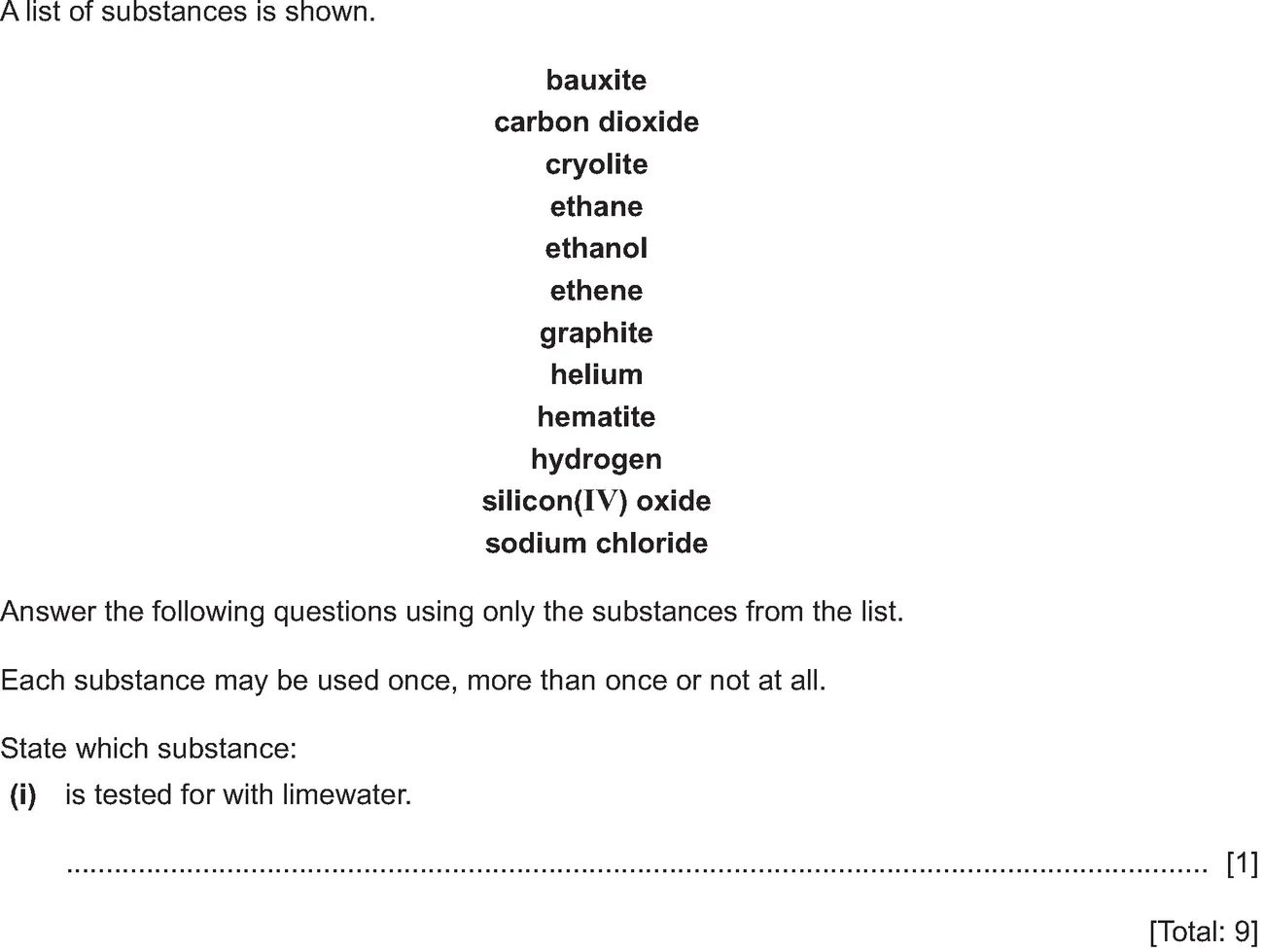
Show the answer
Written question 5 of 8 · part (a) (1 / 6) 3:00
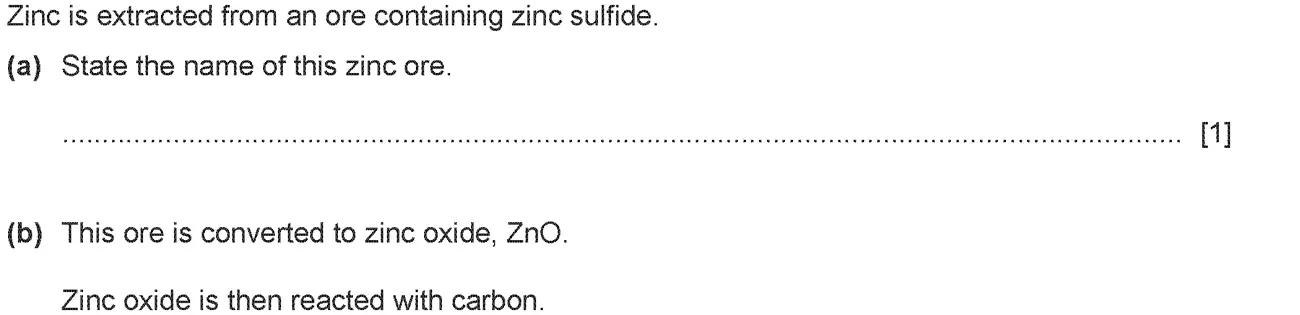
Show the answer

Written question 5 of 8 · part (b)(i) (2 / 6) 3:00
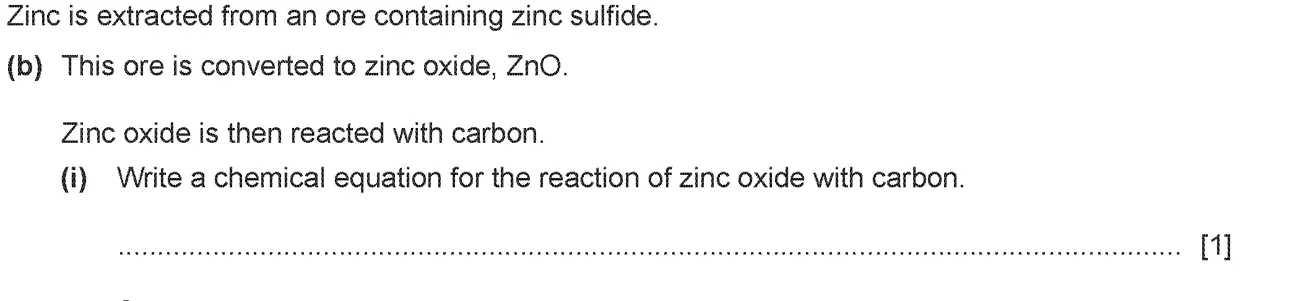
Show the answer
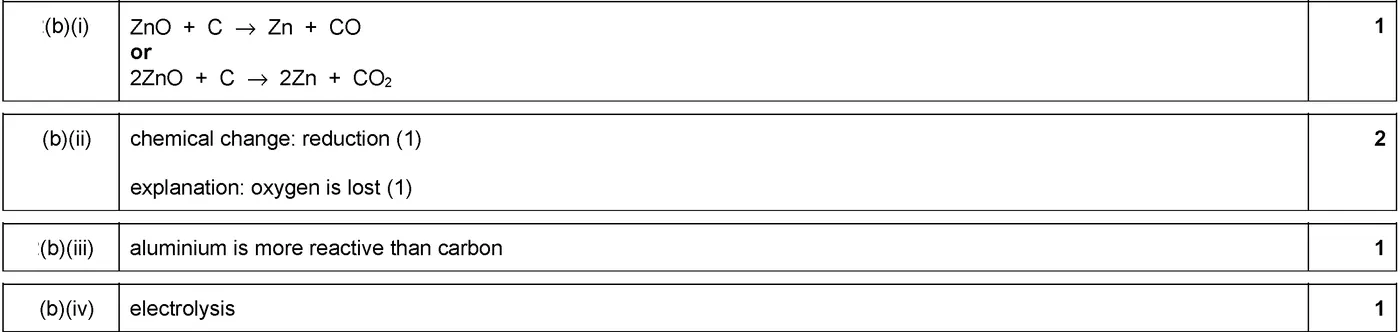
Written question 5 of 8 · part (b)(ii) (3 / 6) 3:00
Show the answer
Written question 5 of 8 · part (b)(iii) (4 / 6) 3:00
Show the answer
Written question 5 of 8 · part (b)(iv) (5 / 6) 3:00
Show the answer

Written question 5 of 8 · part (c) (6 / 6) 3:00
Show the answer
Written question 6 of 8 · part (1 / 8) 3:00

Show the answer

Written question 6 of 8 · part (2 / 8) 3:00
Show the answer
Written question 6 of 8 · part (3 / 8) 3:00
Show the answer
Written question 6 of 8 · part (4 / 8) 3:00
Show the answer
Written question 6 of 8 · part (5 / 8) 3:00
Show the answer
Written question 6 of 8 · part (6 / 8) 3:00
Show the answer
Written question 6 of 8 · part (7 / 8) 3:00
Show the answer
Written question 6 of 8 · part (8 / 8) 3:00
Show the answer
Written question 7 of 8 · part (a)(i) (1 / 6) 3:00
Show the answer
Written question 7 of 8 · part (a)(ii) (2 / 6) 3:00
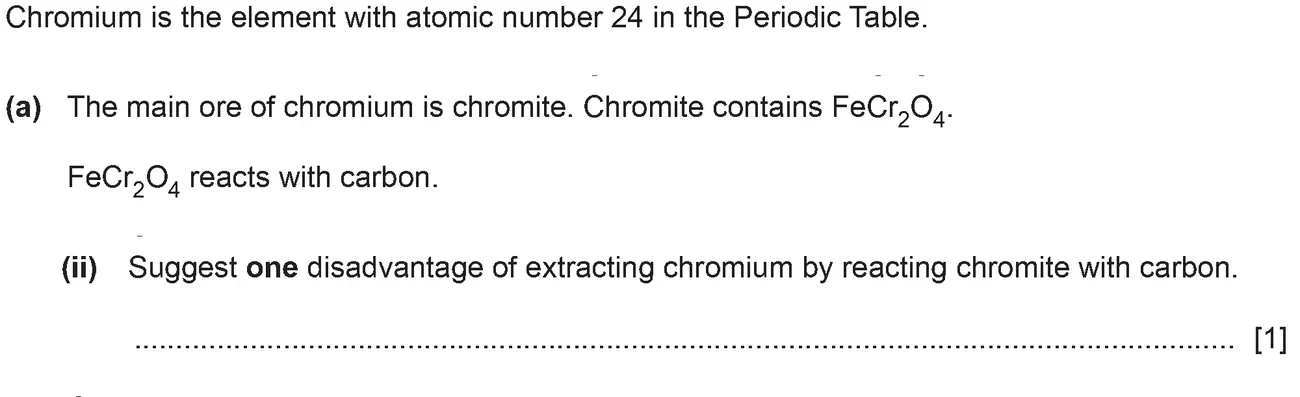
Show the answer
Written question 7 of 8 · part (b) (3 / 6) 3:00
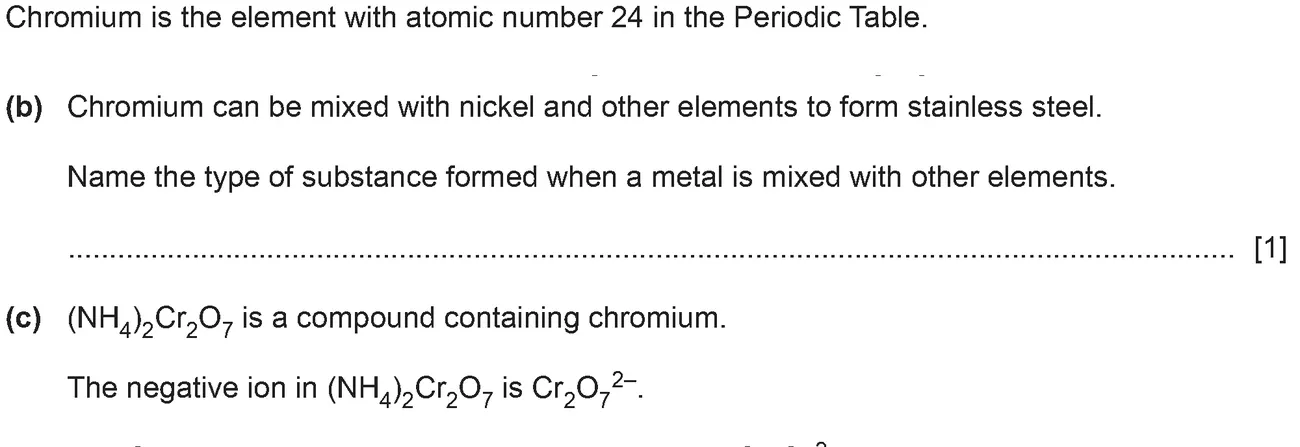
Show the answer
Written question 7 of 8 · part (c)(i) (4 / 6) 3:00
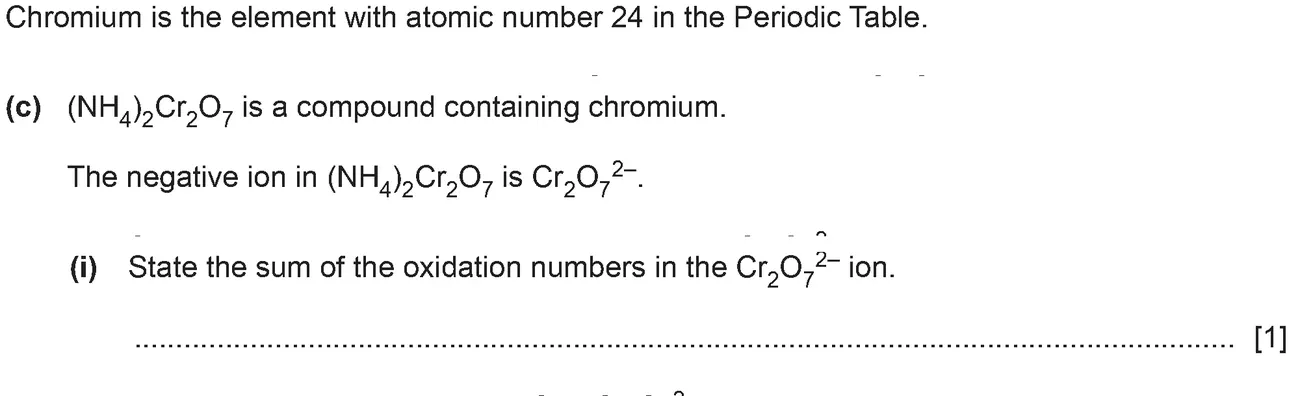
Show the answer

Written question 7 of 8 · part (c)(ii) (5 / 6) 3:00
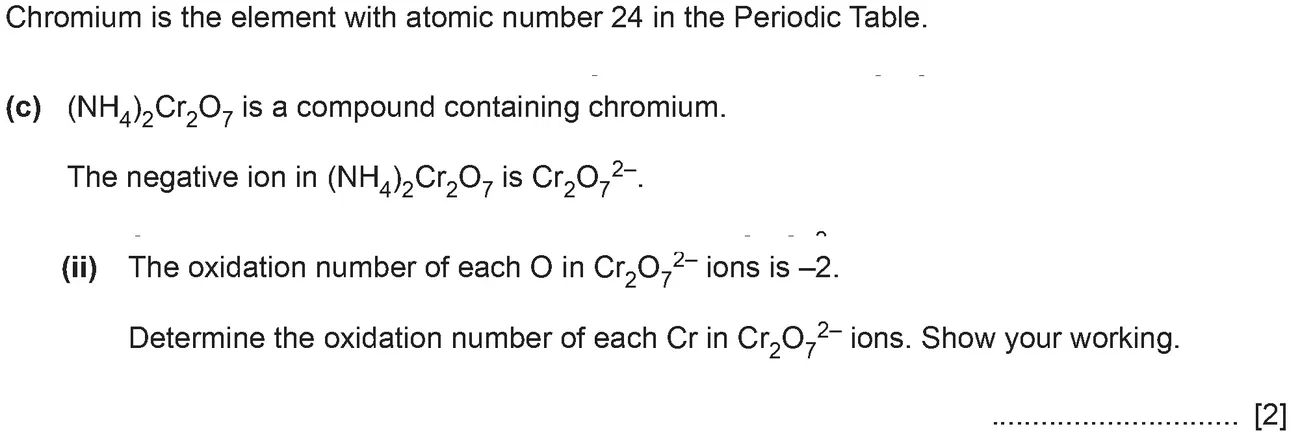
Show the answer

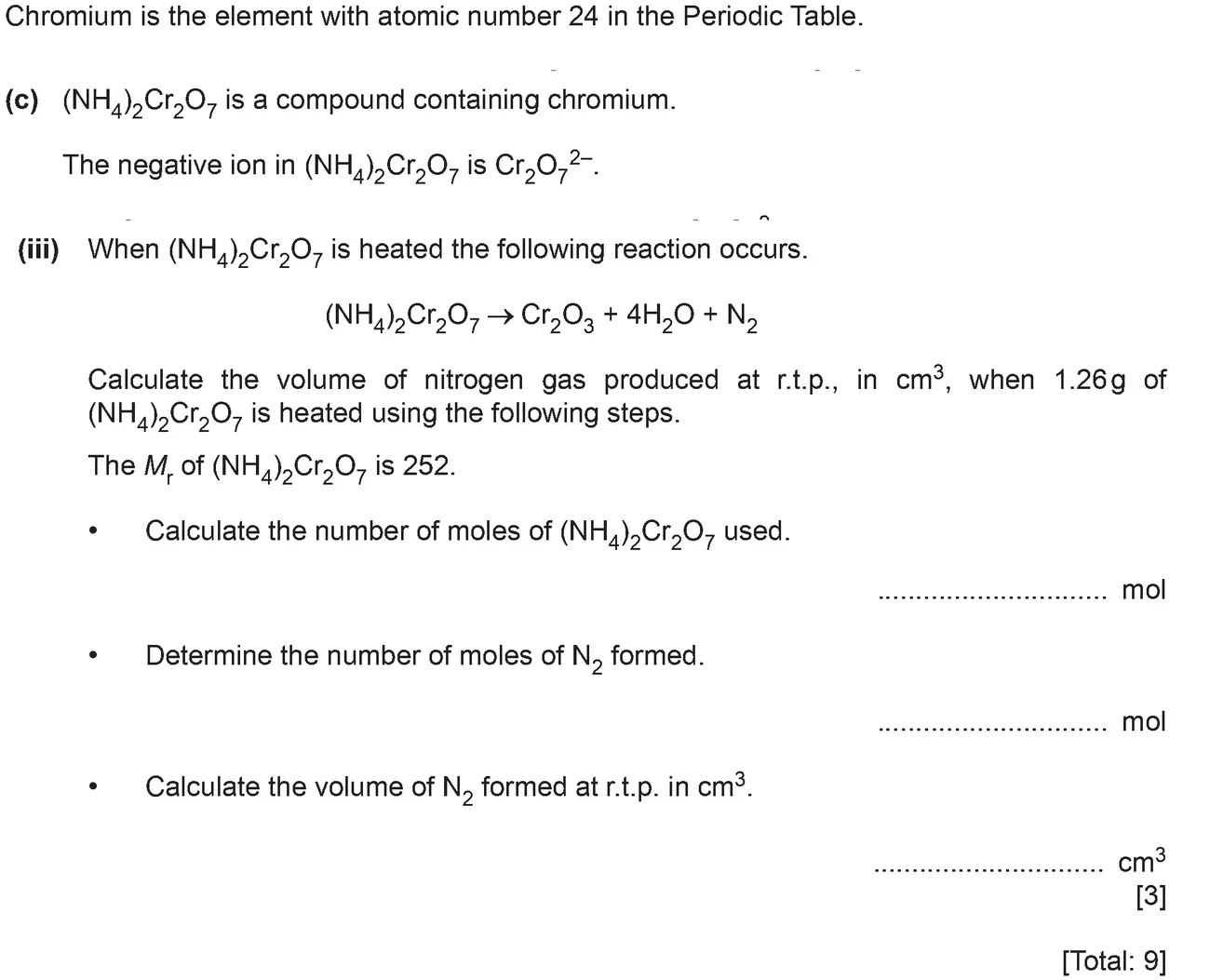
Written question 7 of 8 · part (c)(iii) (6 / 6) 3:00
Show the answer

Written question 8 of 8 · part (a) (1 / 9) 3:00

Show the answer
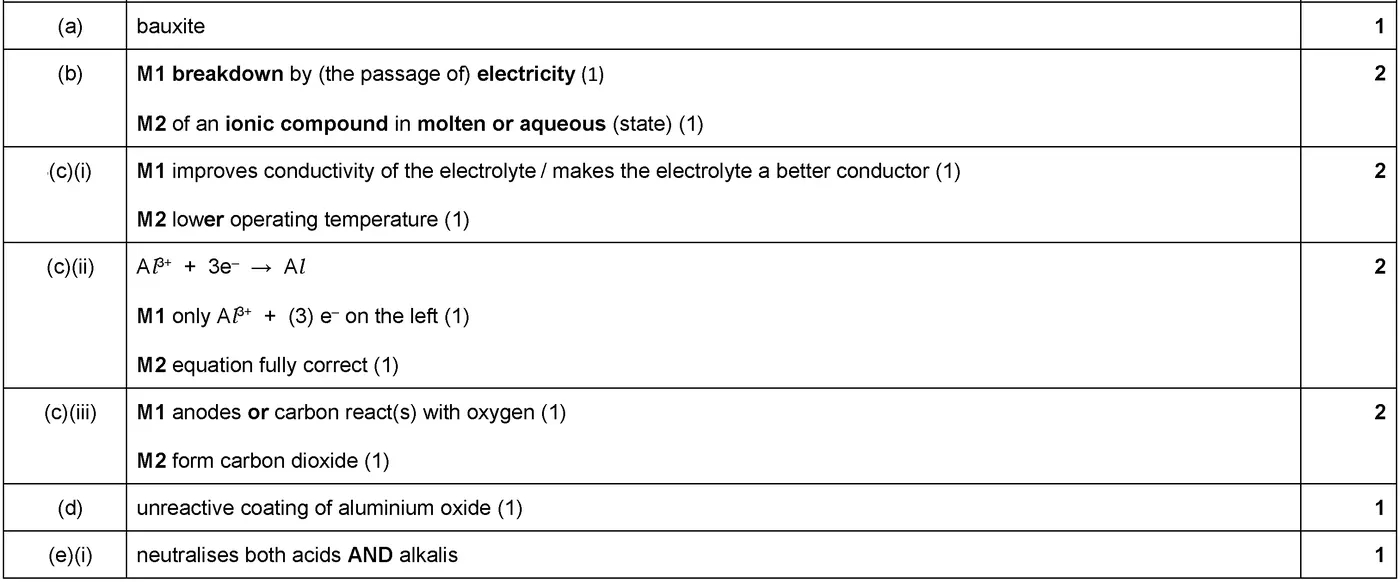
Written question 8 of 8 · part (b) (2 / 9) 3:00
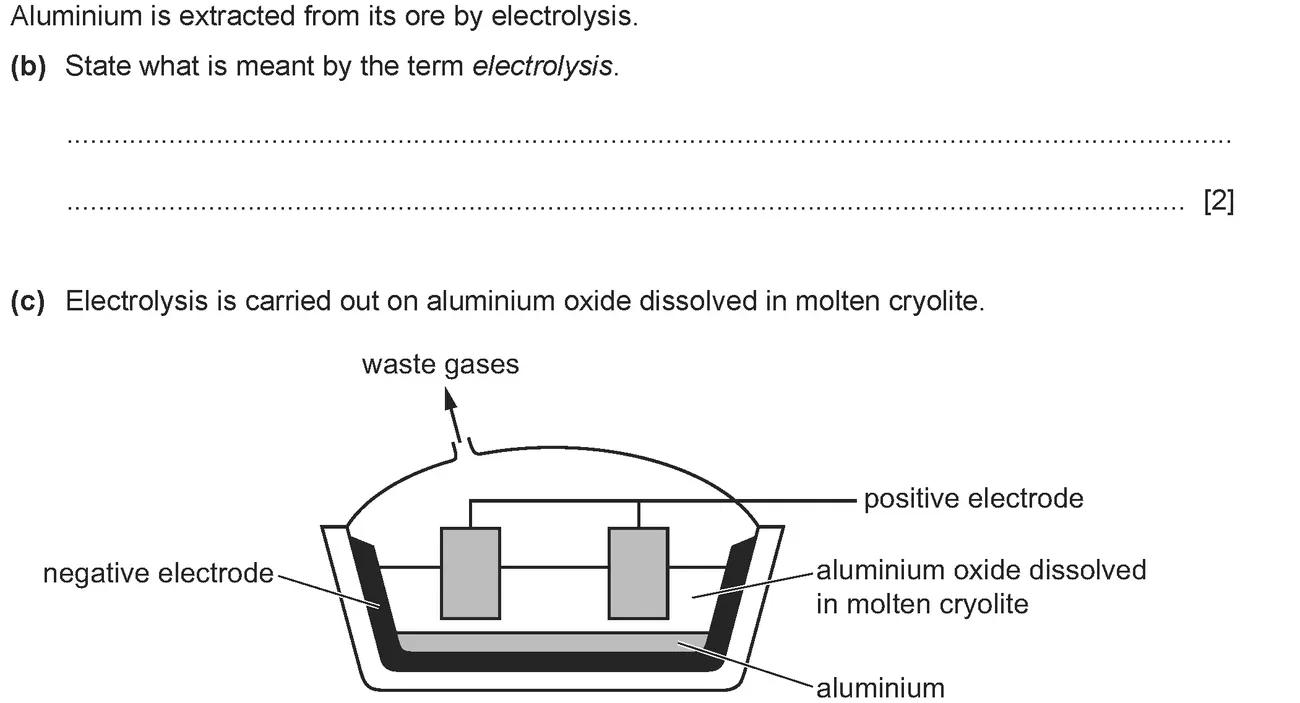
Show the answer

Written question 8 of 8 · part (c)(i) (3 / 9) 3:00
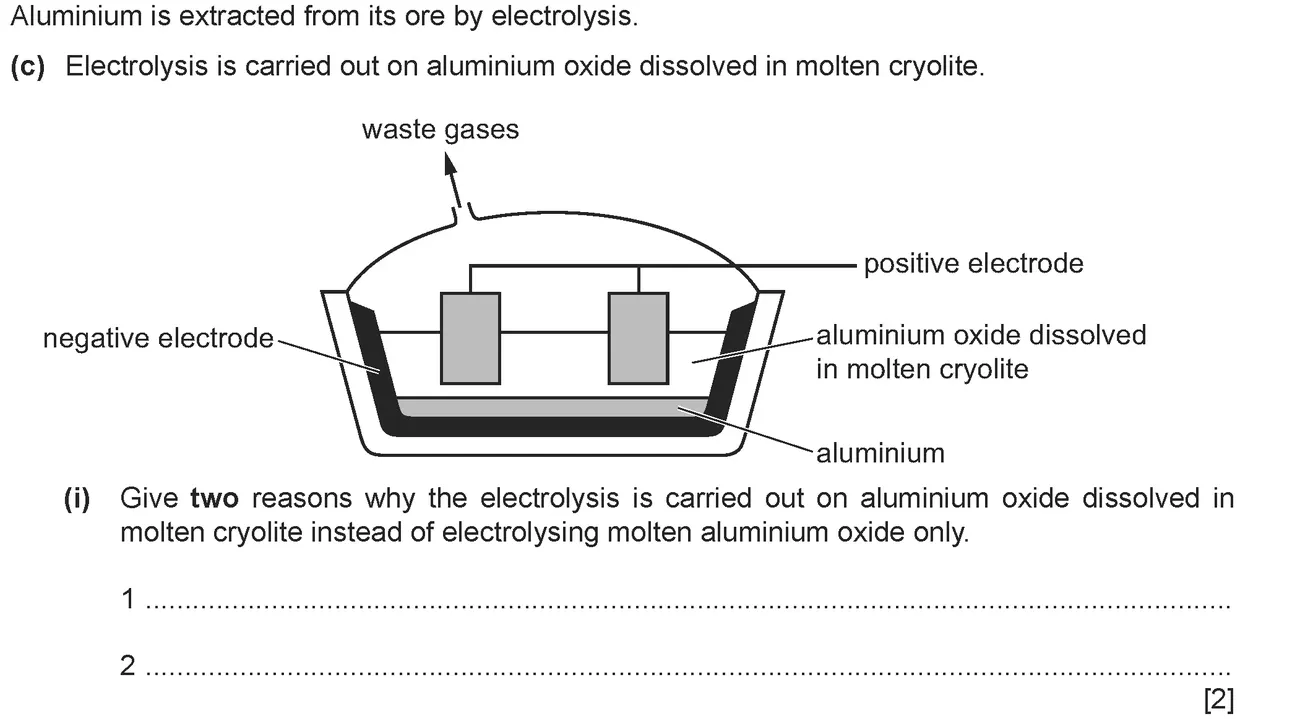
Show the answer
Written question 8 of 8 · part (c)(ii) (4 / 9) 3:00
Show the answer
Written question 8 of 8 · part (c)(iii) (5 / 9) 3:00
Show the answer
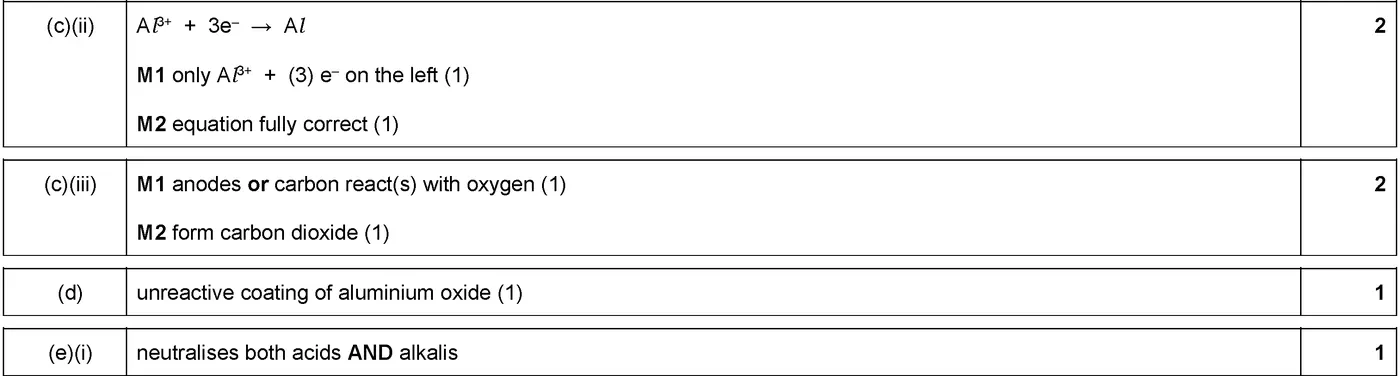
Written question 8 of 8 · part (d) (6 / 9) 3:00
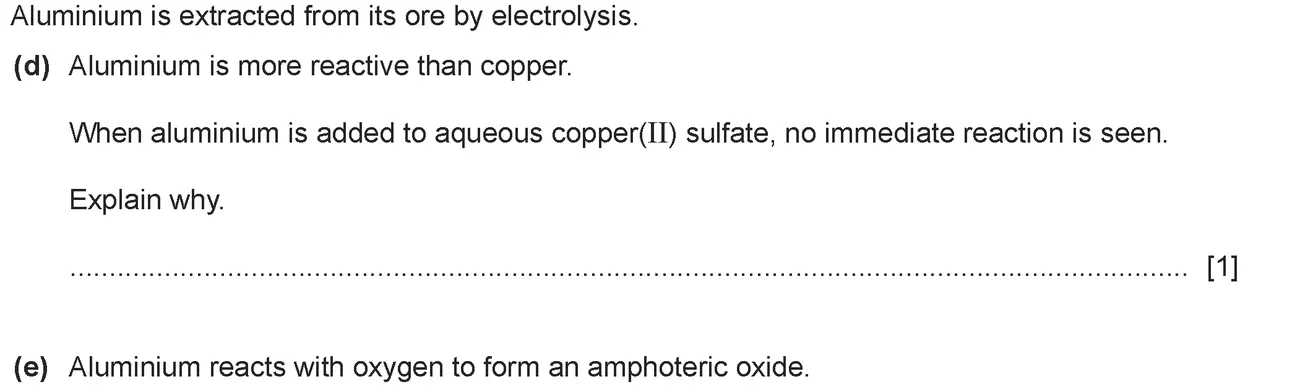
Show the answer
Written question 8 of 8 · part (e)(i) (7 / 9) 3:00
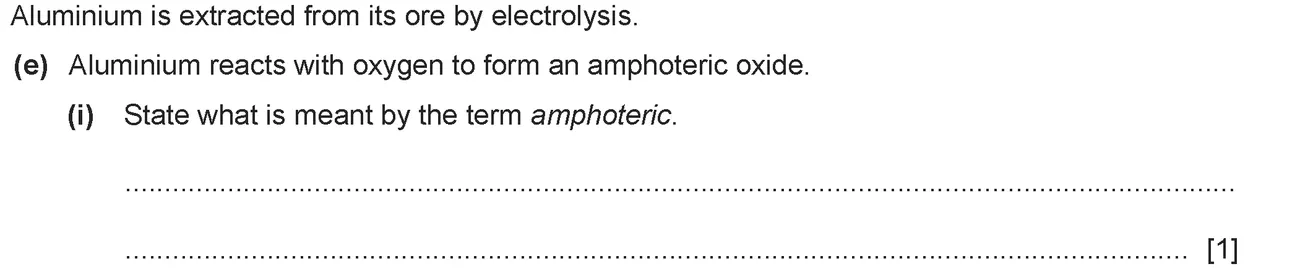
Show the answer
Written question 8 of 8 · part (e)(ii) (8 / 9) 3:00
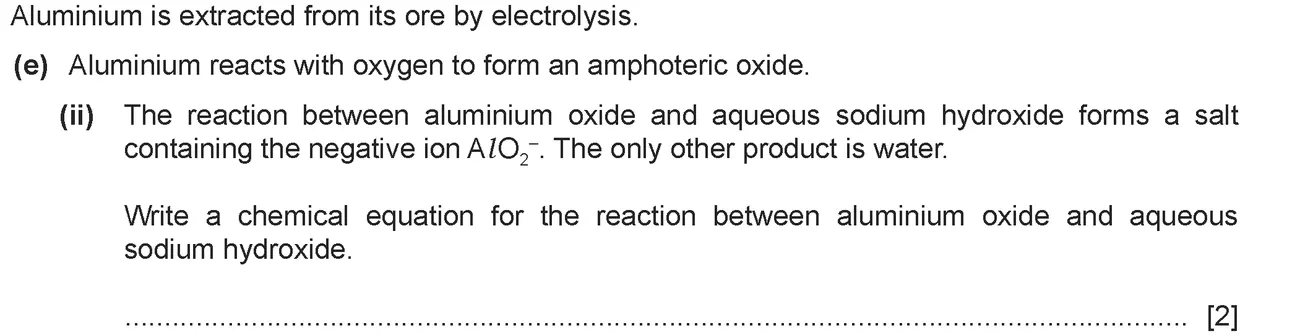
Show the answer
Written question 8 of 8 · part (f) (9 / 9) 3:00
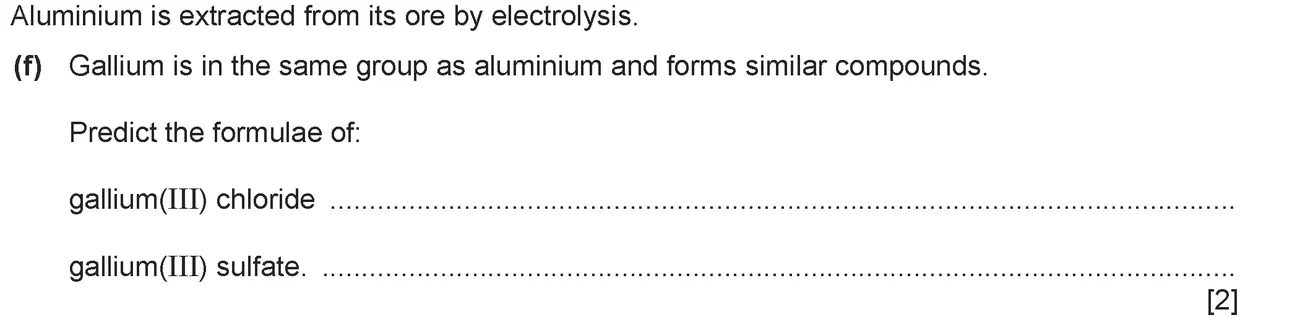
Show the answer
Each part of a written question is on its own screen. Write your answer first, then open "Show the answer" to check it against the mark scheme.
Last updated: