10.4Chapter 10: Excretion in Humans
When kidneys go wrong — Alhussan Biology - Stage 9 Revision Notes & Topical Questions
5 min read 7 parts Lesson 4 of 6 2 quizzes
Lesson summary
10.4 When kidneys go wrong — Dialysis and Kidney Transplants — Alhussan International Academy — Biology (Stages 7–9) notes: Explain why kidney failure is dangerous and compare dialysis with a kidney transplant, including the ethical issues.Causes — kidneys may be damaged by infec…
- Treatments
- Dialysis fluid
- Patient experience
- Living donors
- Deceased donors
- Combined use
Section 1 of 7Kidney failure
Causes
- Causes kidneys may be damaged by infection, an accident, diabetes, high blood pressure or inherited problems.
Effects
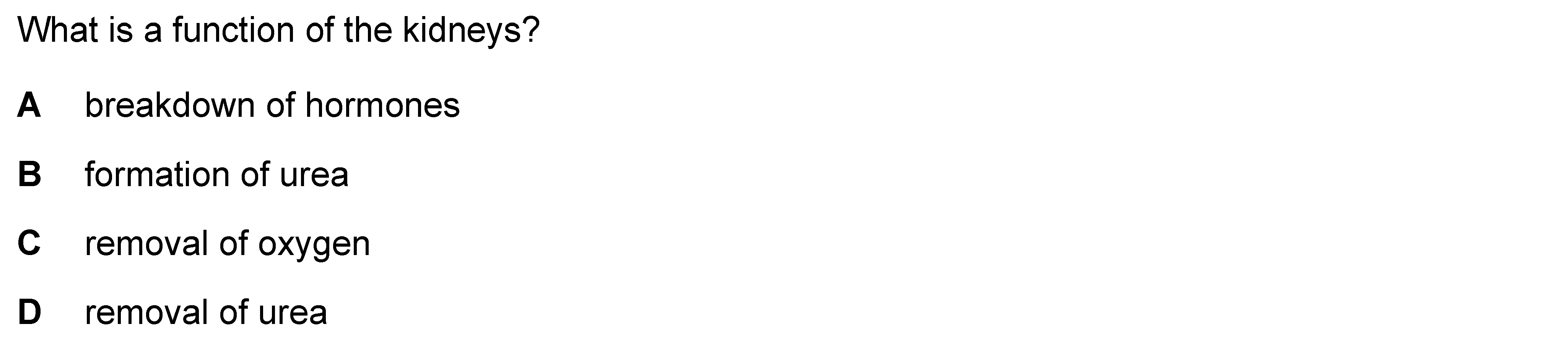
- Effects toxic urea and other wastes build up in the blood and excess water and salts stay in the body.
- Symptoms include tiredness, breathlessness, loss of appetite, weight loss and swelling of the ankles, feet and hands.
- Without treatment the person dies in days or weeks.
Scale
- Scale kidney disease is a huge problem worldwide and caused 4.6% of all deaths in 2017.
Treatments
- Treatments failing kidneys do not always mean death, because dialysis and transplants can replace their work.
Section 2 of 7Dialysis
1
Dialysis
Dialysis treatment in which a machine acts as an artificial kidney and filters the blood to remove urea and other wastes.
2
Process
- Process blood flows from the patient's arm into the machine and along one side of a partially permeable membrane.
- Dialysis fluid flows on the other side.
- Small molecules such as urea, excess salts and water diffuse from the blood into the fluid.
- Large molecules such as proteins and blood cells are too big to pass and stay in the blood.
3
Dialysis fluid
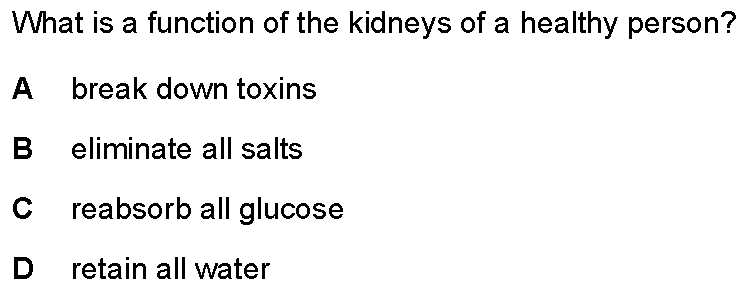
- Dialysis fluid it has the same concentration of glucose and useful salts as healthy blood, so these are not lost.
- The fluid is renewed constantly to keep the concentration gradient steep.
4
Patient experience
- Patient experience treatment takes about 4 hours, three times a week, in hospital or at home.
- The patient feels better after each session but ill before the blood is filtered, and may miss school or work.
- Dialysis machines are expensive and there are not enough to go round.
Section 3 of 7Kidney transplant
Transplant
Transplant replacing a failed kidney with a healthy one from a donor.
- The new kidney is placed in the lower abdomen and joined to blood vessels and the bladder.
- It starts to work immediately, removing urea and excess water.
Living donors
- Living donors everyone has two kidneys but needs only one, so a person can donate one.
- Donors are often close family members, but sometimes a stranger is a good match.
- The donor must be a close tissue match or the body will reject and destroy the new kidney.
Deceased donors
- Deceased donors most transplants worldwide use kidneys from people who have died, usually healthy people killed in accidents who agreed to be organ donors.
Rejection
- Rejection the immune system may recognise antigens on the new organ as foreign and attack it.
- Doctors match the tissue type as closely as possible.
- Patients take immunosuppressant drugs every day for life, which make infections more likely.
Section 4 of 7Comparing the treatments
| Dialysis | Transplant |
|---|---|
| Available immediately | Depends on a donor organ becoming available |
| Regular treatments, 3 times a week, limit lifestyle | Allows a more normal life |
| Needs a restricted diet and fluid intake | Less restricted diet |
| Expensive over many years | Cheaper long term, but surgery and drugs needed |
| No risk of rejection | Risk of rejection |
- Combined use
- many patients use dialysis while waiting for a transplant.
Section 5 of 7Ethical issues
Ethical issues
Both treatments involve ethical choices, not just science.
Issues include how organs are shared, the shortage of donors and whether people should be paid for kidneys.
Section 6 of 7Key terms
| Term | Meaning |
|---|---|
| Kidney failure | The kidneys no longer remove waste and excess water properly. |
| Dialysis | Cleaning the blood with a machine that acts as an artificial kidney. |
| Transplant | Replacing a failed organ with a healthy one from a donor. |
| Rejection | The immune system attacking a transplanted organ. |
| Immunosuppressant | A drug that reduces the immune response. |
| Donor | A person who gives an organ. |
Section 7 of 7Exam technique
1
Saying the dialysis membrane lets everything through — large proteins and blood cells stay in the blood.
2
Thinking a transplant is a permanent cure with no risks.
3
Forgetting that dialysis fluid already contains glucose, so glucose is not removed.
4
Mixing up dialysis (a machine) and transplant (surgery).
Marked practiceQuizzes for this lesson
?What do you want to solve now?
✓Checkpoint Quiz
2 multiple-choice questions from real exam papers on this lesson.
Question 1 of 2 1:30
Question 2 of 2 1:30
Score: 0 / 2
Answer key
1 D2 C
Last updated: