Curriculum
EST II Biology
1. Molecules & Cells
0/15
2. Genetics & Biotechnology
0/7
3. Evolution & Diversity
0/7
4. Organisms: Structure & Function
0/15
-
McGraw-Hill SAT Biology — Chapter 8: Understanding Organismal Biology
 Preview
-
4.1 Human Digestion & Nutrition
Preview
-
4.1 Human Digestion & Nutrition (SAT Biology) - Check yourself
 Preview
-
4.2 Circulation & Respiration
Preview
-
4.2 Circulation & Respiration (SAT Biology) - Check yourself
Preview
-
4.3 Excretion & Homeostasis
Preview
-
4.3 Excretion & Homeostasis (SAT Biology) - Check yourself
Preview
-
4.4 Nervous & Endocrine Systems
Preview
-
4.4 Nervous & Endocrine Systems (SAT Biology) - Check yourself
Preview
-
4.5 The Immune System
Preview
-
4.5 The Immune System (SAT Biology) - Check yourself
Preview
-
4.6 Reproduction & Development
Preview
-
4.6 Reproduction & Development (SAT Biology) - Check yourself
Preview
-
4.7 Animal Behavior
Preview
-
4.7 Animal Behavior (SAT Biology) - Check yourself
Preview
5. Ecology
0/5
6. Laboratory Skills
0/2
SAT Biology — Full Book Tests and Strategy
0/8
Text lesson
McGraw-Hill SAT Biology — Chapter 8: Understanding Organismal Biology
McGraw-Hill SAT Biology — Chapter 8: Understanding Organismal Biology — SAT BIOLOGY E/M — REVISION NOTES notes: Explain the main systems of animals and humans: transport, nutrition, excretion, defence, coordination, reproduction and behaviour.
1Transport and circulation2Transport and circulation3Transport and circulation4Transport and circulation5Transport and circulation6Transport and circulation7Open versus closed8Capillary · Human circulation
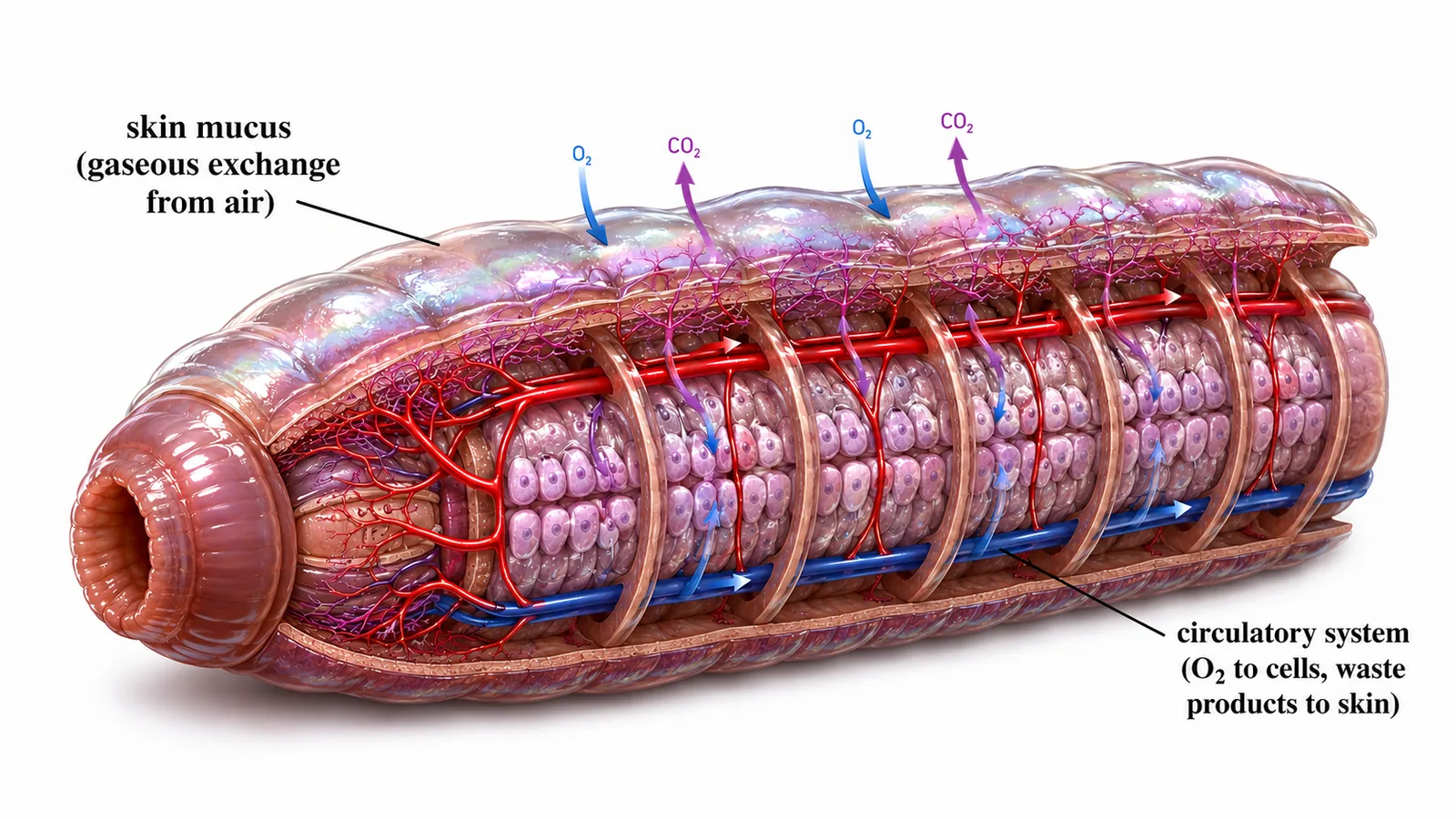
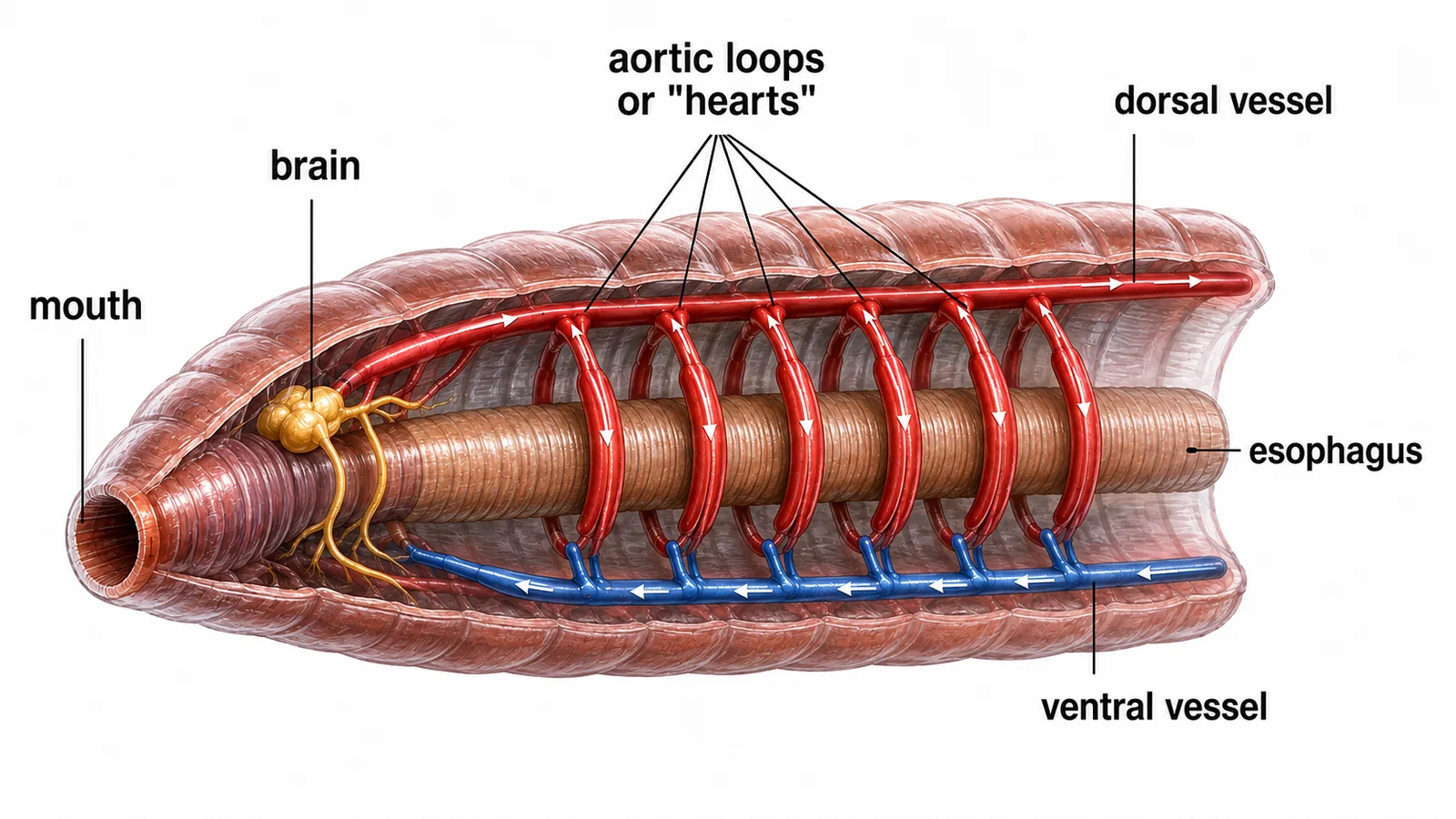
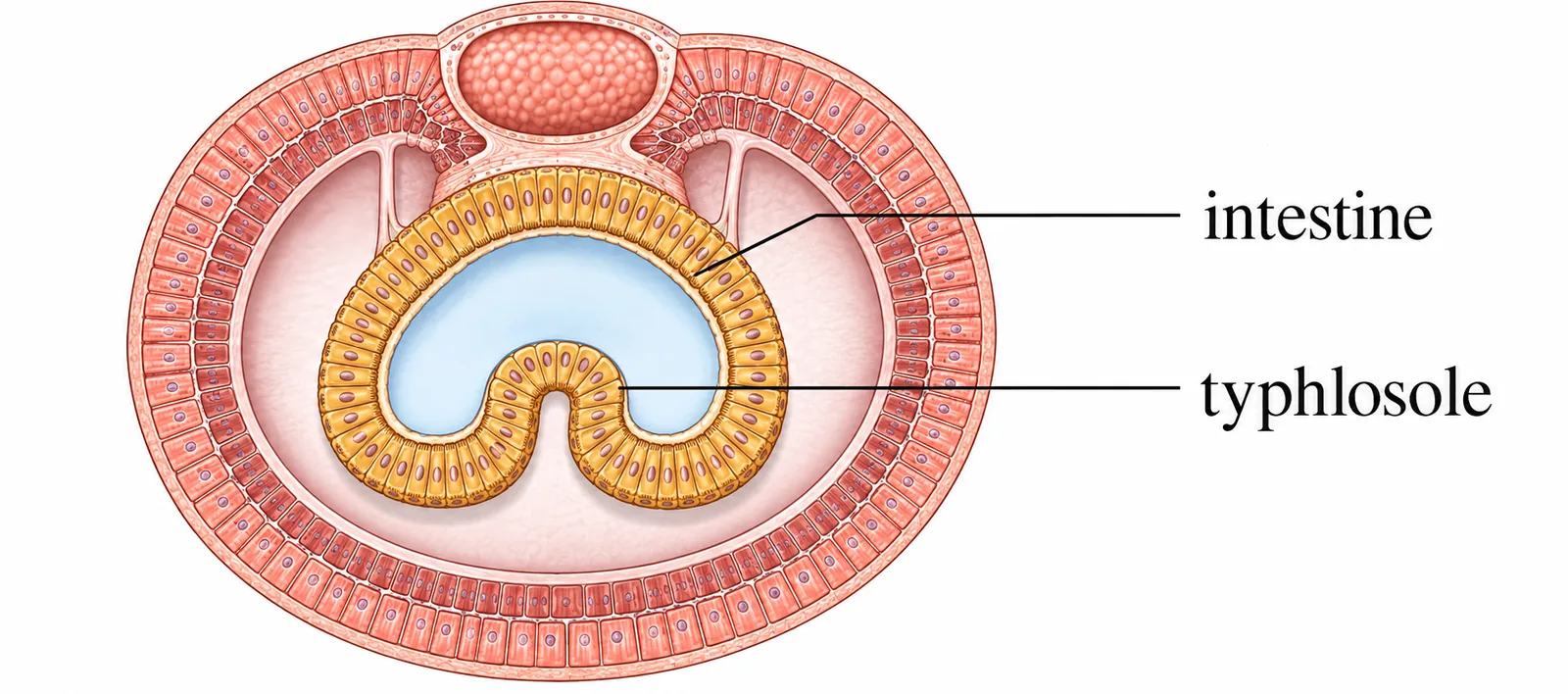

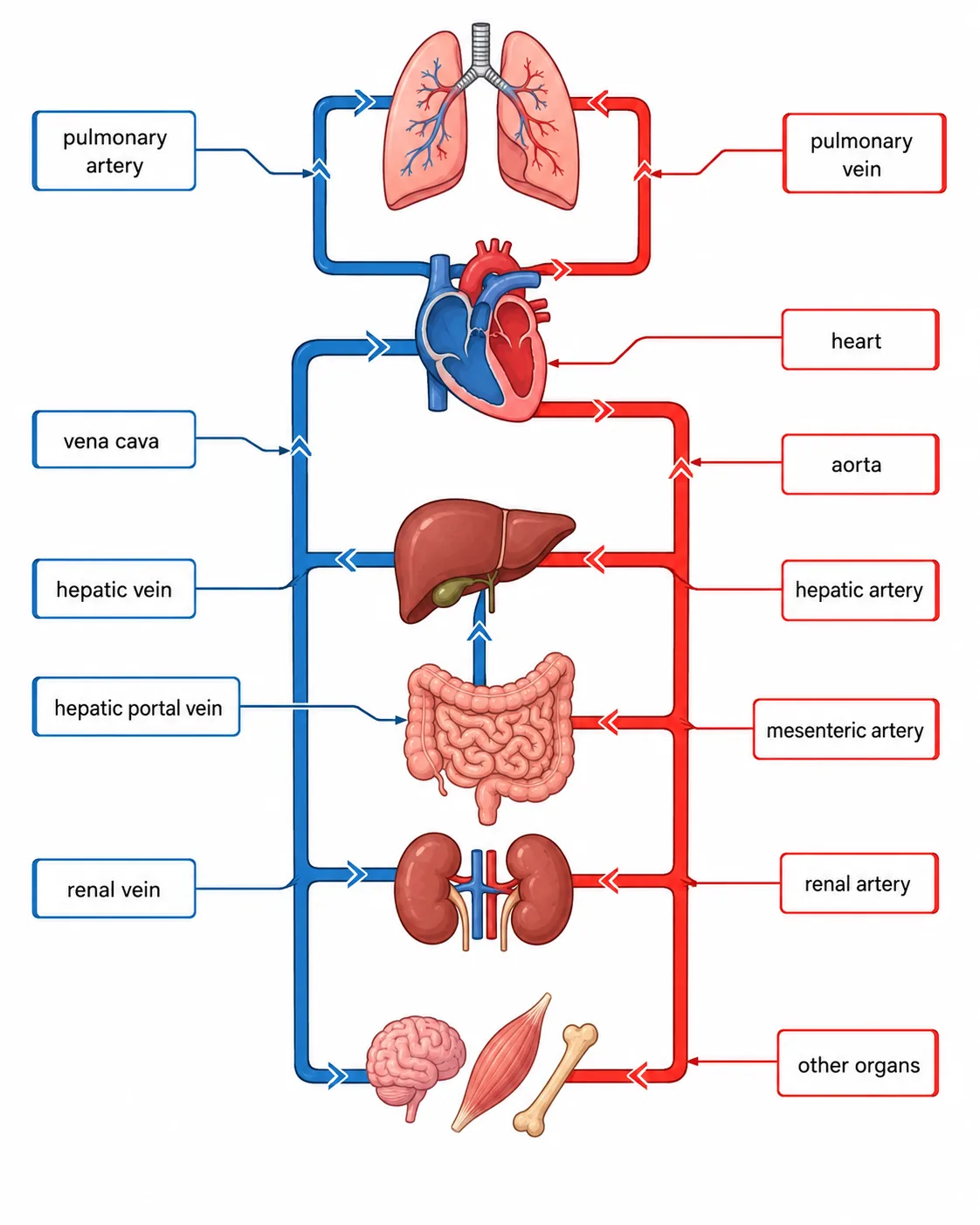
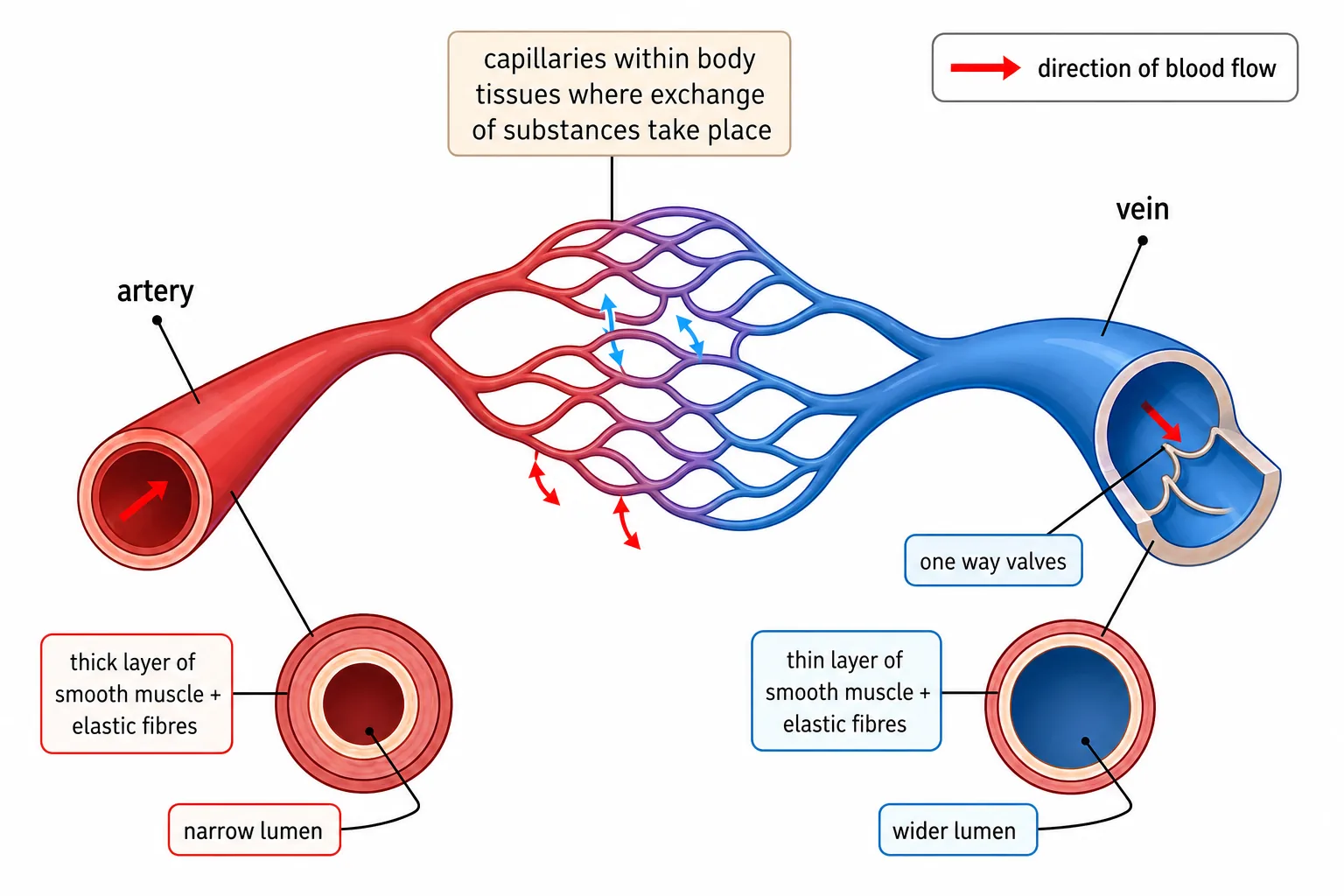
Open versus closed
 ⤢ Enlarge
Open versus closed
insects and most molluscs have open systems where haemolymph bathes organs
annelids and vertebrates have closed systems where blood stays in vessels,
allowing higher pressure and faster delivery.
◀ Previous7 / 8Next ▶
Capillary · Human circulation
Capillary
a vessel one cell thick where exchange between blood and tissues occurs.
Human circulation
the right side of the heart sends blood to the lungs and the left side sends it to the body.
◀ Previous8 / 8
1Digestion and nutrition2Digestion and nutrition3Digestion and nutrition4Digestion and nutrition5Digestion and nutrition6Digestion and nutrition7Digestion and nutrition8Digestion and nutrition9Digestion and nutrition10Digestion and nutrition11Digestion and nutrition12Digestion and nutrition13Digestion and nutrition14Digestion and nutrition15Digestion and nutrition16Absorption · Routes · Fats17Bile · Secretin · Vitamin C18Villi





Digestion and nutrition

| Region | Role |
|---|---|
| Mouth | Starch digestion begins with amylase |
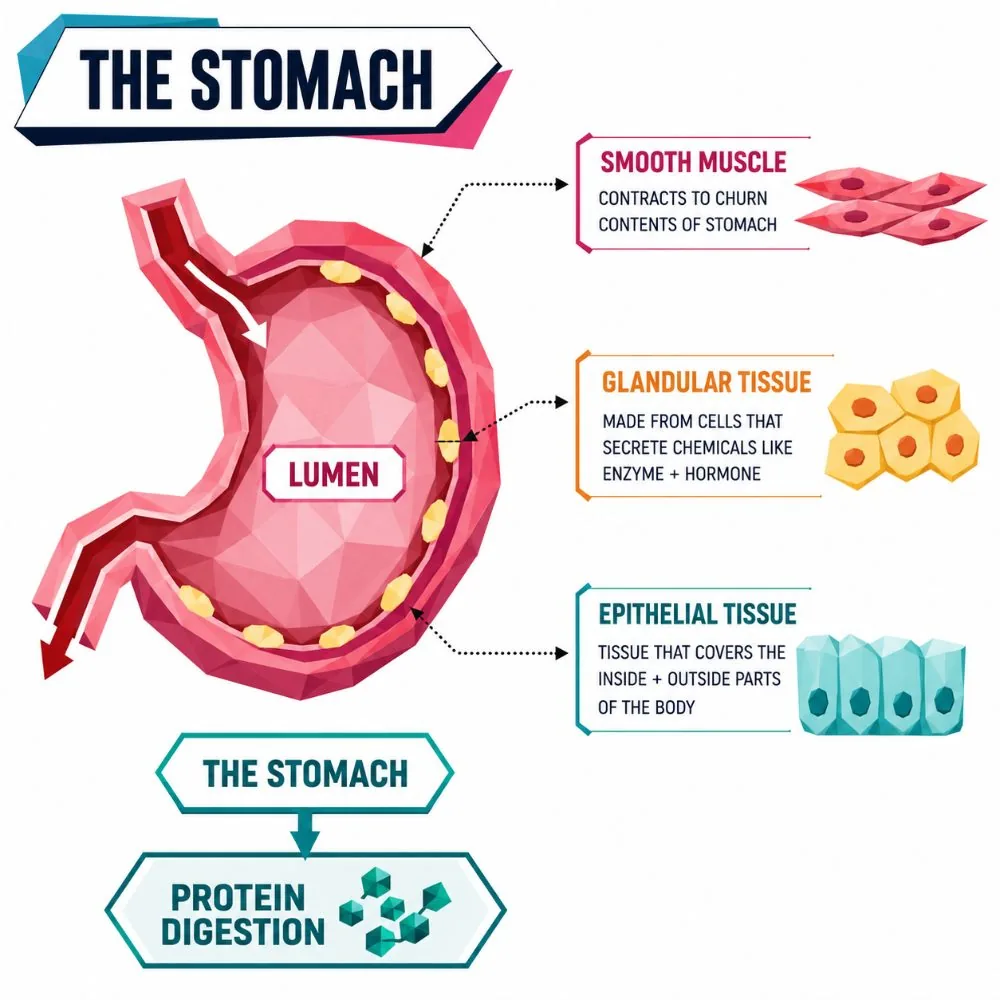
| Stomach | Pepsin in acid begins protein digestion |
| Duodenum | Pancreatic enzymes, bile and secretin act here |
| Small intestine | Digestion completes and nutrients are absorbed |
| Large intestine | Water is absorbed |
◀ Previous15 / 18Next ▶
Absorption · Routes · Fats
Absorption
villi and microvilli give a large surface area, the walls are one cell thick and a rich capillary supply keeps the concentration gradient steep.
Routes
glucose and amino acids enter blood by facilitated diffusion and active transport and travel by the hepatic portal vein to the liver.
Fats
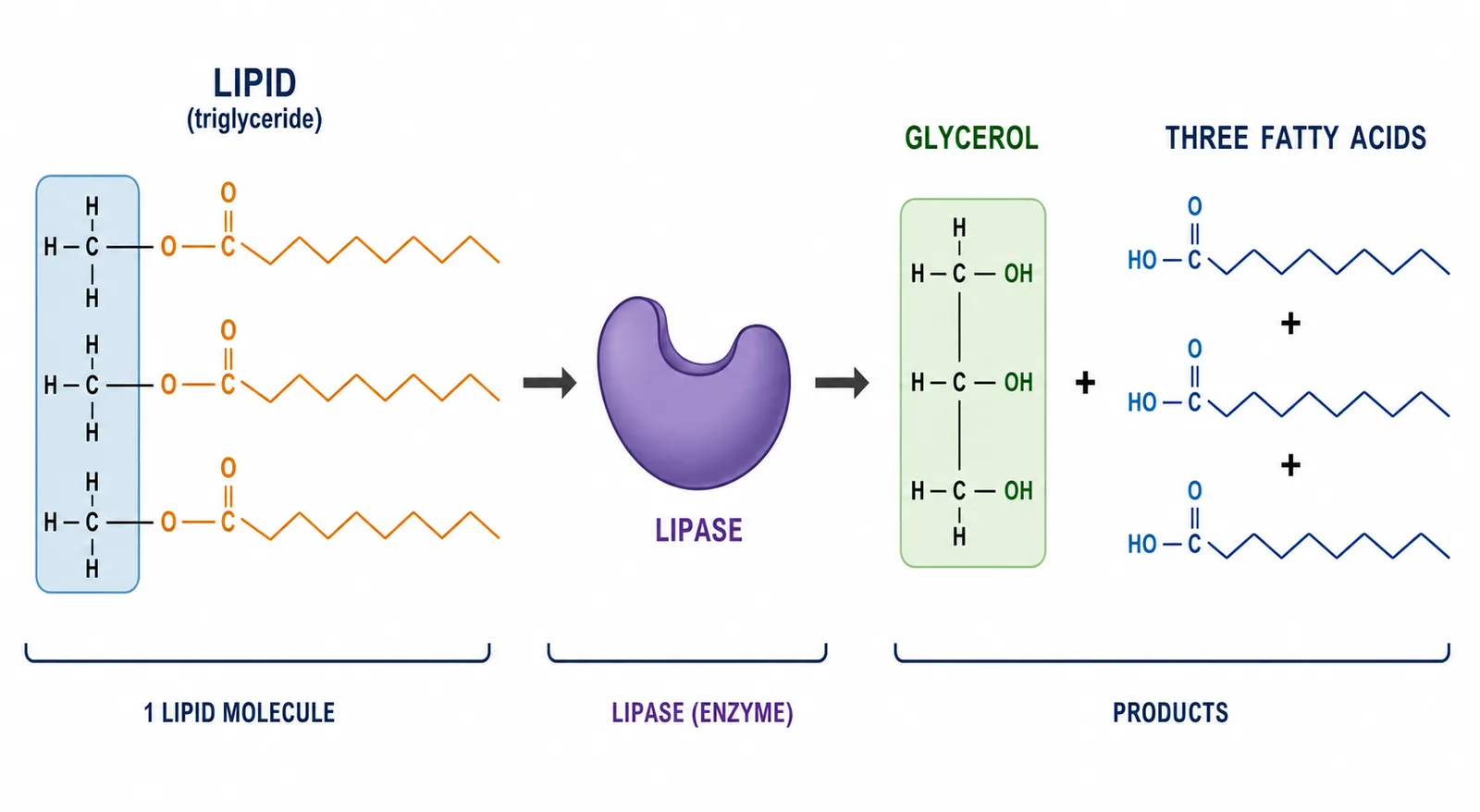
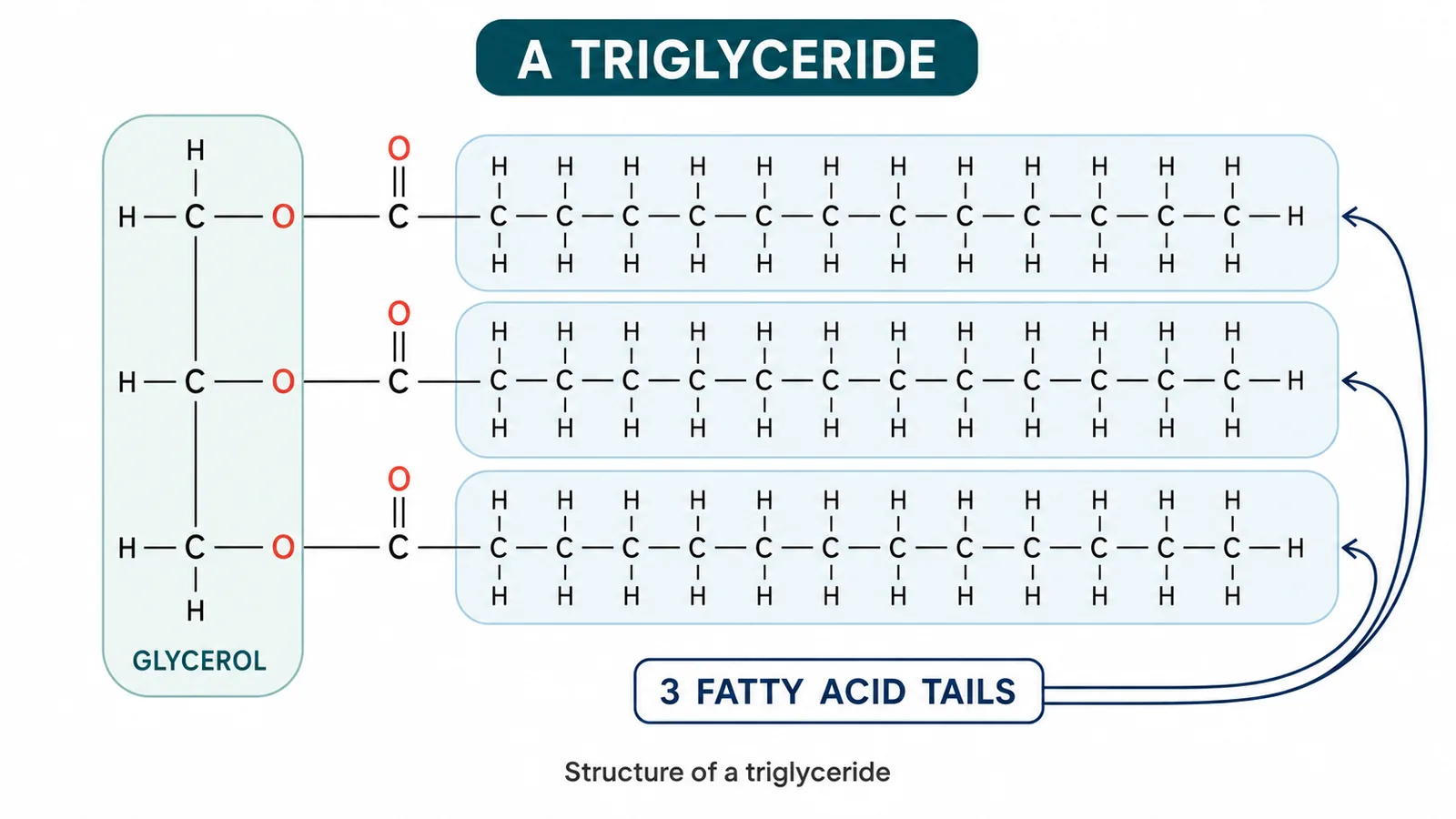
fatty acids and glycerol re-form triglycerides and enter lacteals as chylomicrons.
◀ Previous16 / 18Next ▶
Bile · Secretin · Vitamin C
Bile
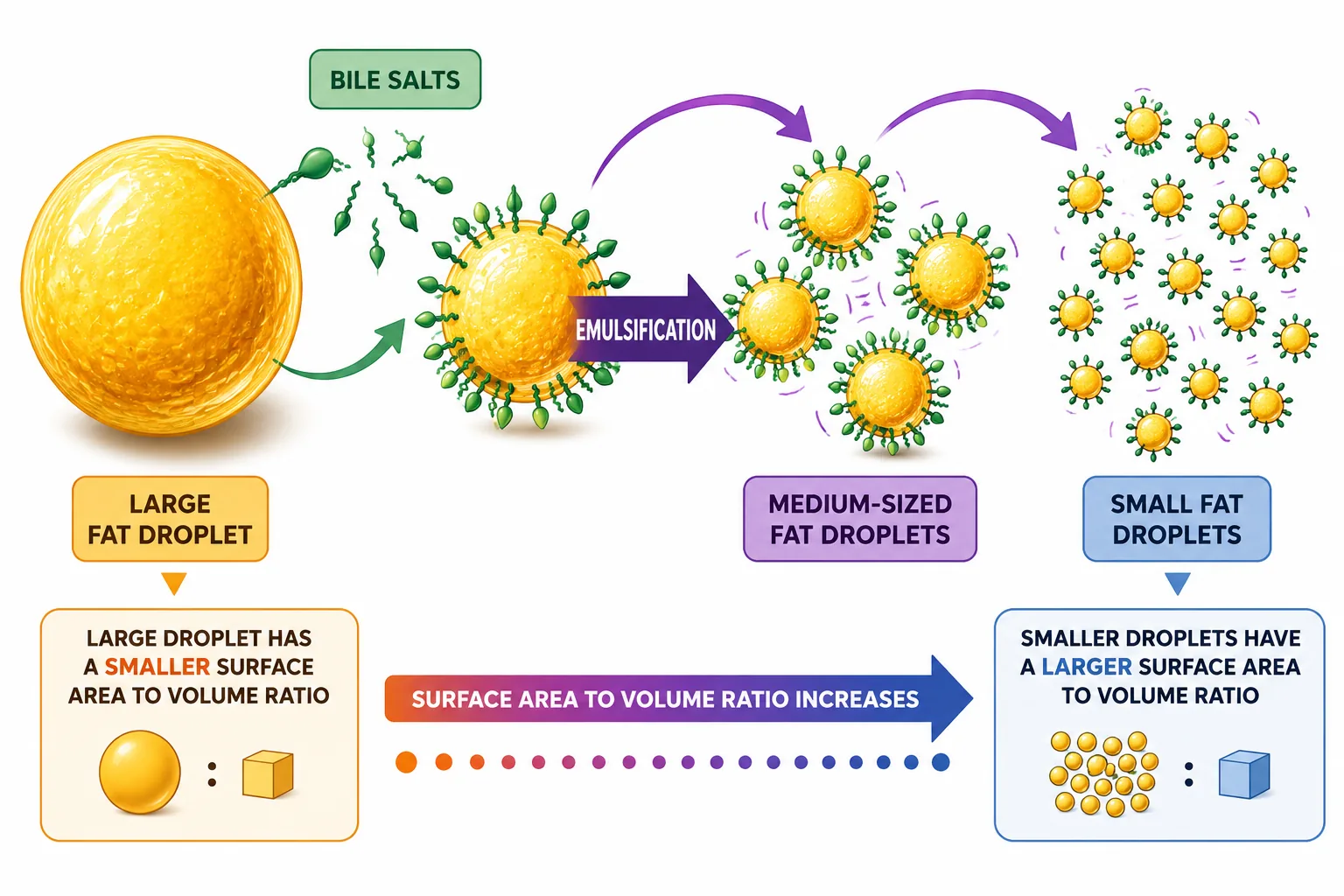
emulsifies fats into droplets, increasing surface area for lipase
it contains no enzymes.
Secretin
from the duodenum signals the pancreas to release bicarbonate.
Vitamin C
is needed for collagen, and its deficiency causes scurvy.
◀ Previous17 / 18Next ▶
Villi
Villi
finger-like projections of the small intestine lining that increase surface area.
◀ Previous18 / 18
1Excretion and homeostasis2Excretion and homeostasis3Excretion and homeostasis4Other excretory organs5Osmoregulation · Thermoregulation


Other excretory organs
 ⤢ Enlarge
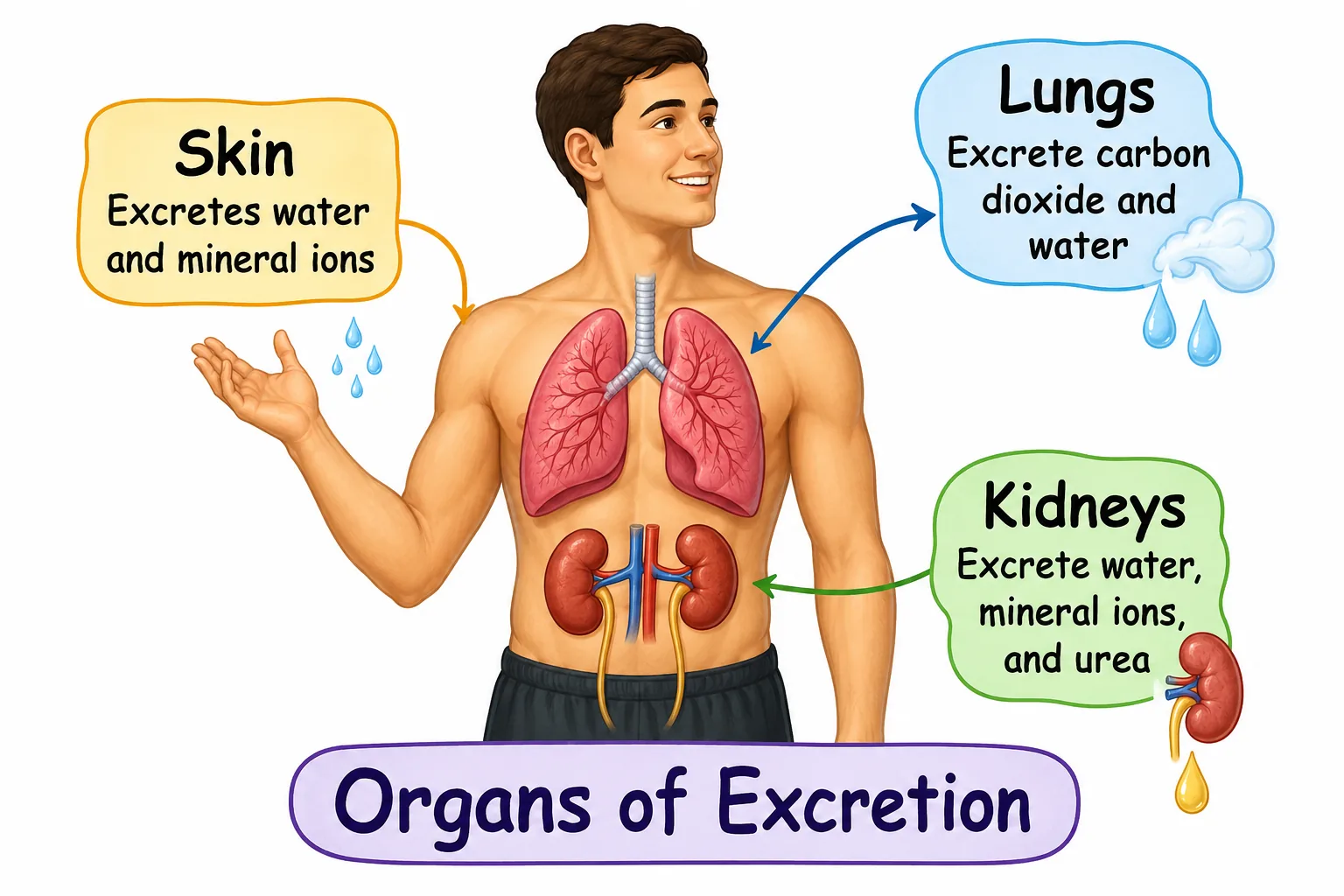
Other excretory organs
lungs remove CO2, skin releases sweat and the liver excretes bile pigments.
◀ Previous4 / 5Next ▶
Osmoregulation · Thermoregulation
Osmoregulation
control of water and solute balance in the body.
Thermoregulation
endotherms make metabolic heat, and ectotherms rely on external heat and behaviour.
(birds and mammals)
When hot: vasodilation of skin arterioles and sweating.
When cold: vasoconstriction, shivering, hair erection and increased metabolism through thyroxine.
◀ Previous5 / 5
1Protection and immunity2Protection and immunity3Protection and immunity
1Coordination: nerves and hormones2Neurotransmitter3Reflexes · Adrenaline
Neurotransmitter
 ⤢ Enlarge
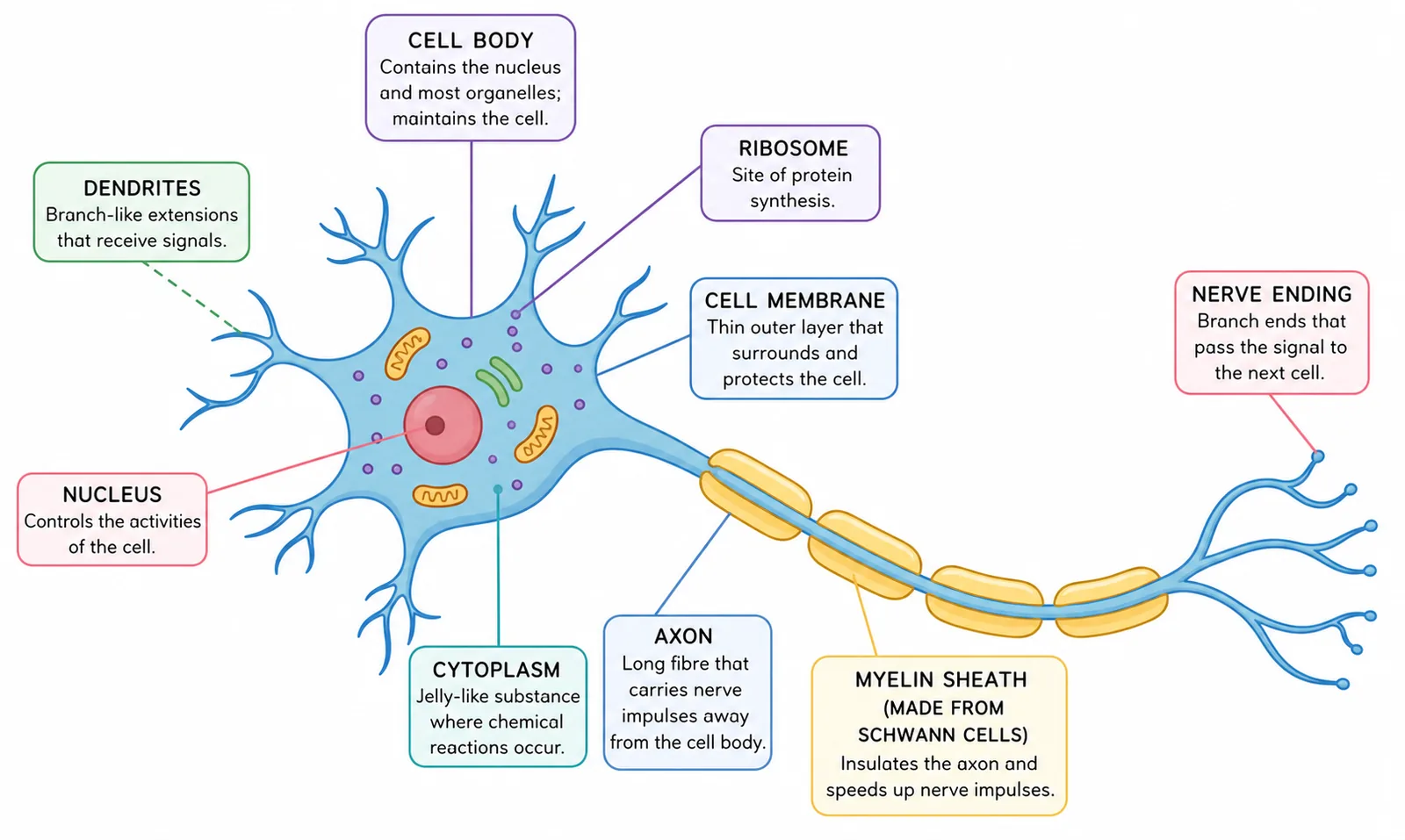
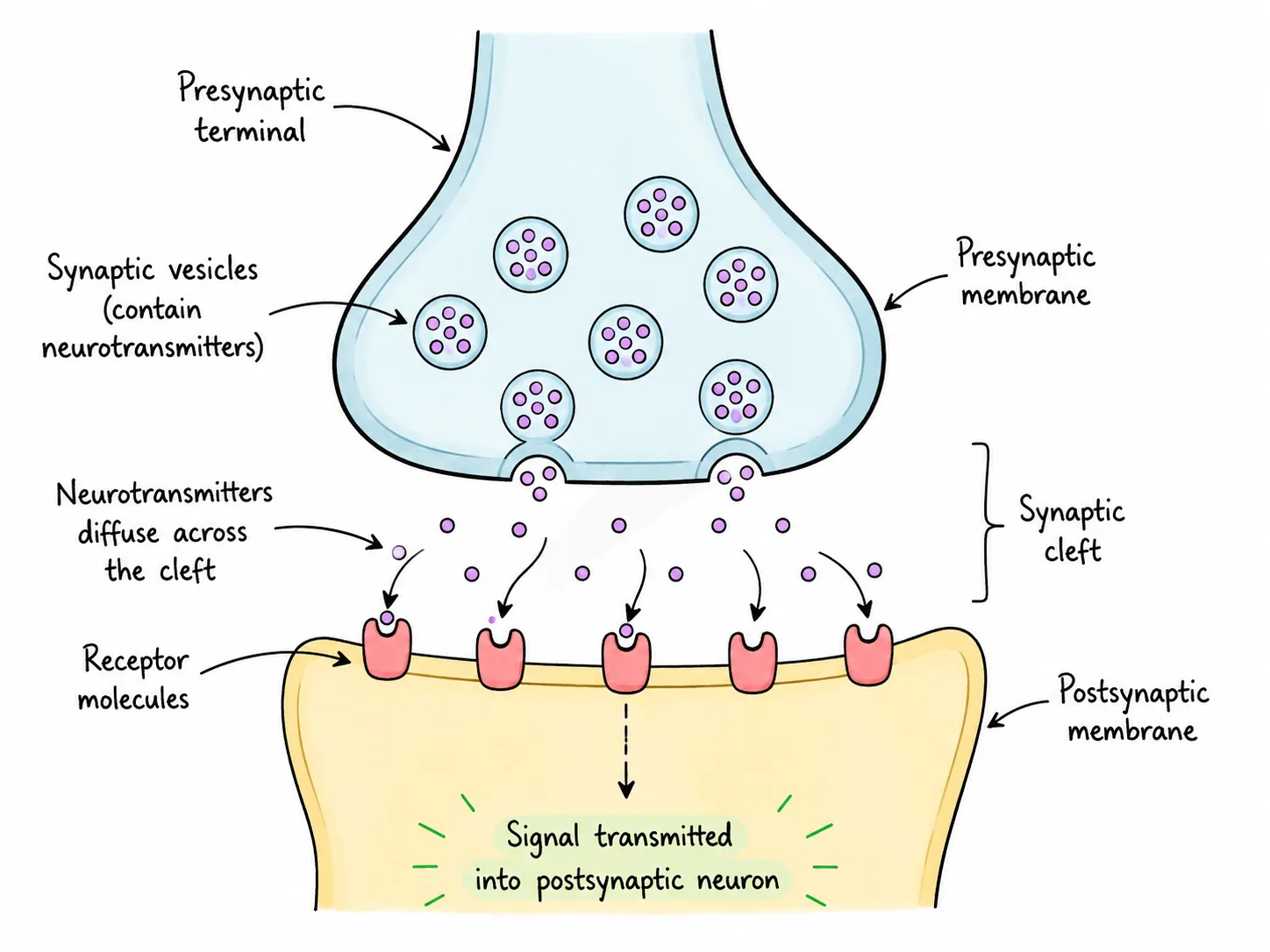
Neurotransmitter
a chemical such as acetylcholine released from a presynaptic neuron to signal the next cell.
◀ Previous2 / 3Next ▶
Reflexes · Adrenaline
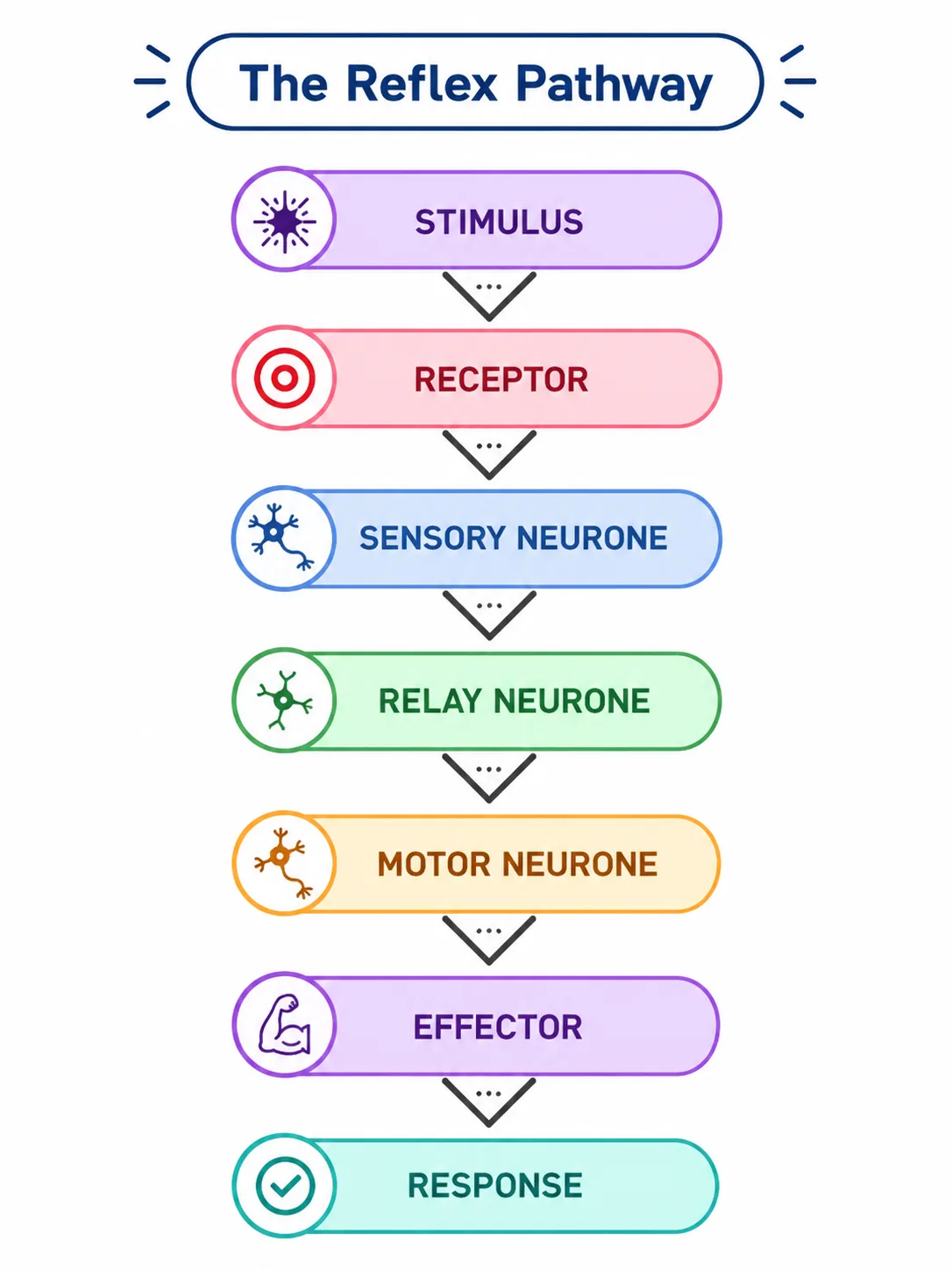
Reflexes
the knee-jerk reflex uses only a sensory and a motor neuron in the spinal cord
so the response happens before the brain is aware.
Adrenaline
travels in the blood to all tissues
but only cells with adrenaline receptors respond.
Heart cells raise their rate, liver cells break down glycogen and bronchiole muscle relaxes.
◀ Previous3 / 3
1Reproduction, development and behaviour2Reproduction, development and behaviour3Reproduction, development and behaviour
Reproduction, development and behaviour
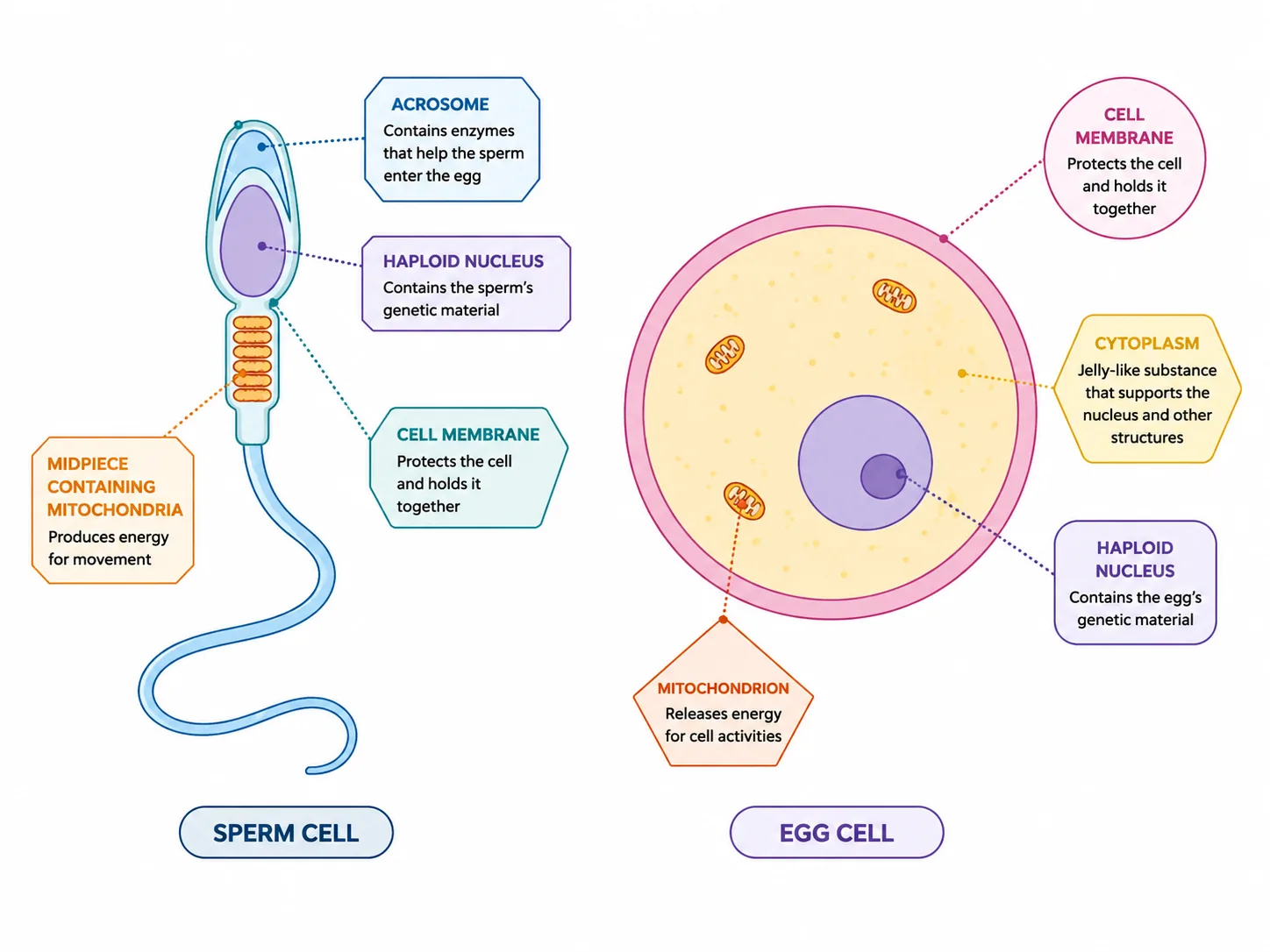 ⤢ Enlarge
1
1
2
Sperm path seminiferous tubules, epididymis, vas deferens, ejaculatory duct and urethra.
3
2
4
Testis cells interstitial (Leydig) cells make testosterone, and Sertoli cells nourish developing sperm.
5
3
6
Organogenesis the notochord induces overlying ectoderm to form the neural tube, and somites form vertebrae and muscles.
1 / 3Next ▶
Reproduction, development and behaviour
Reproduction, development and behaviour
4
Spemann’s experiments showed induction by the dorsal lip of the blastopore.
5
Differentiation cells become specialised through selective gene expression.
6
Foraging optimal foraging theory predicts animals maximise energy gain relative to cost and risk, and search images help predators find common prey.
◀ Previous2 / 3Next ▶
Reproduction, development and behaviour
Reproduction, development and behaviour
7
Kinesis a random, undirected change in the rate of movement in response to a stimulus.
◀ Previous3 / 3
1Worked examples2Worked examples3Worked examples4Worked examples5Worked examples
Worked examples
 ⤢ Enlarge
1
Worked example 1. Where does protein digestion begin? [1]
2
In the stomach
where pepsin works in acid.
3
Worked example 2. How does bile help digestion? [2]
◀ Previous2 / 5Next ▶
Worked examples
Worked examples
It emulsifies fat into droplets.
This increases the surface area for lipase to act.
Worked example 3. Where do absorbed fats enter the body? [1]
Into the lacteals, as chylomicrons, joining the lymph.
Worked example 4. Where does nutrient-rich blood from the intestine go first? [1]
To the liver, through the hepatic portal vein.
◀ Previous3 / 5Next ▶
Worked examples
1
Worked example 5. Why can adrenaline affect heart, liver and airways but not all cells? [2]
2
Only cells with adrenaline receptors respond.
3
Each type of cell has receptors linked to a different response.
4
Worked example 6. Describe the specific immune response in order. [3]
5
The macrophage presents the antigen and a helper T cell is activated.
6
B and T cells are cloned.
◀ Previous4 / 5Next ▶
Worked examples
Worked examples
Antibodies and killer cells act and memory cells remain.
◀ Previous5 / 5
Key terms
| Term | Meaning |
|---|---|
| Villi | Finger-like projections that increase absorption area |
| Capillary | A vessel one cell thick for exchange |
| Osmoregulation | Control of water and solute balance |
| Antibody | A protein that binds a specific antigen |
| Neurotransmitter | A chemical signal released by a neuron |
| Differentiation | Specialisation of cells by selective gene expression |
1Avoid these mistakes2Avoid these mistakes