Curriculum
EST II Biology
1. Molecules & Cells
0/15
2. Genetics & Biotechnology
0/7
3. Evolution & Diversity
0/7
-
McGraw-Hill SAT Biology — Chapter 7: Understanding Evolution and Diversity
 Preview
-
3.1 Evolution & Natural Selection
Preview
-
3.1 Evolution & Natural Selection (SAT Biology) - Check yourself
 Preview
-
3.2 Classification & Diversity of Life
Preview
-
3.2 Classification & Diversity of Life (SAT Biology) - Check yourself
Preview
-
3.3 Plant Structure & Reproduction
Preview
-
3.3 Plant Structure & Reproduction (SAT Biology) - Check yourself
Preview
4. Organisms: Structure & Function
0/15
5. Ecology
0/5
6. Laboratory Skills
0/2
SAT Biology — Full Book Tests and Strategy
0/8
3.2 Classification & Diversity of Life
List the taxonomic ranks and apply binomial nomenclature.
 ⤢ Enlarge


 ⤢ Enlarge

 ⤢ Enlarge
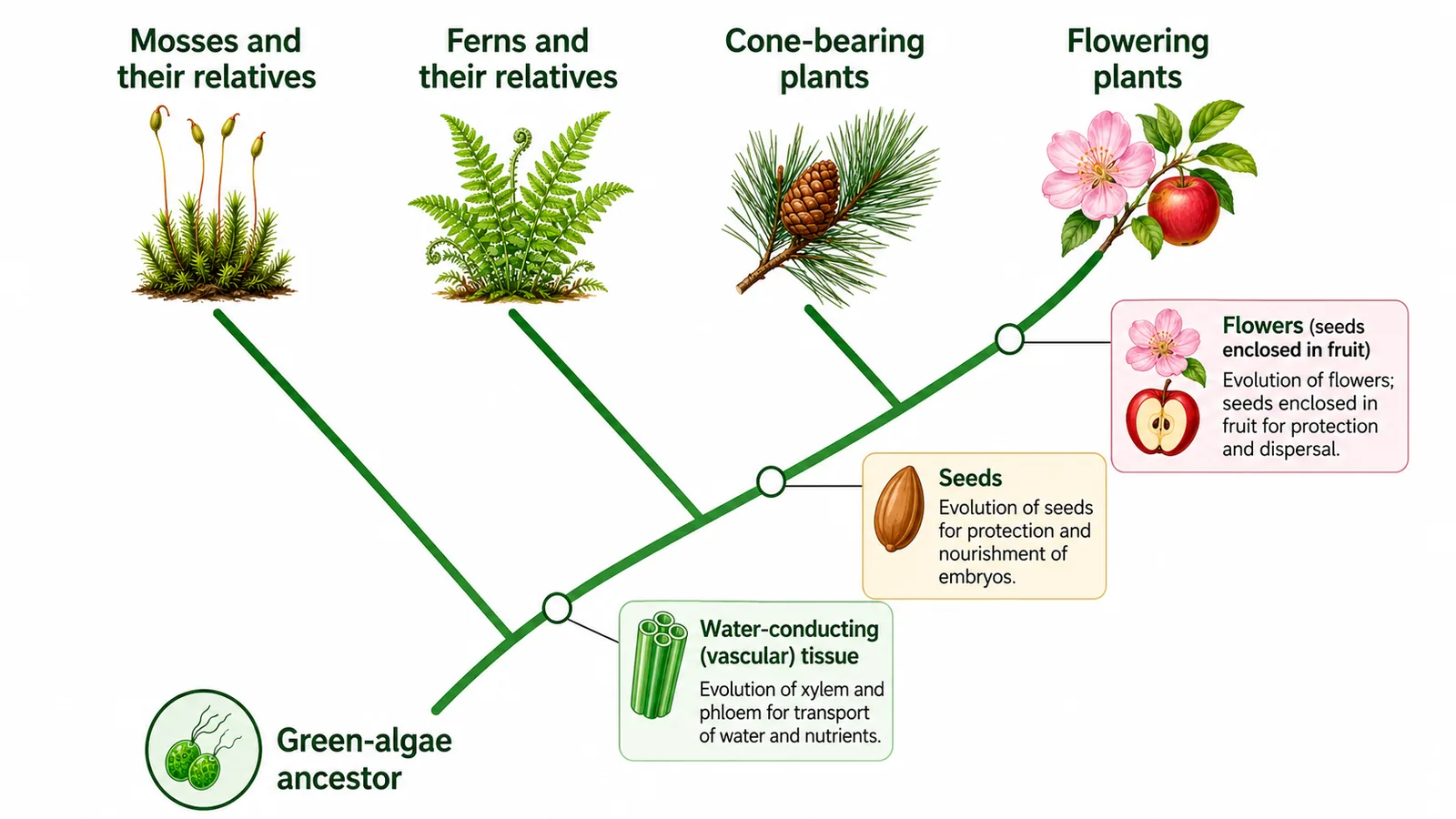
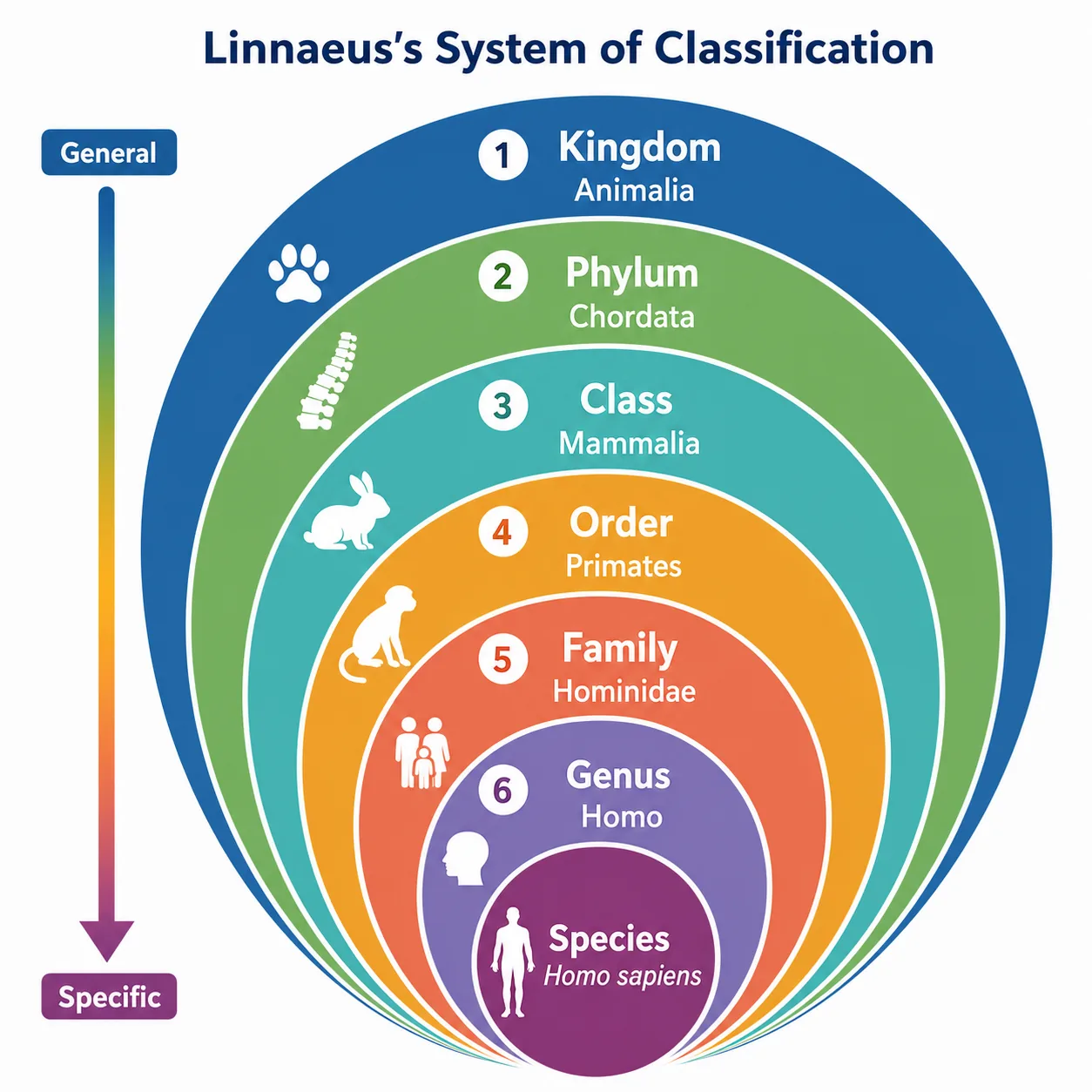

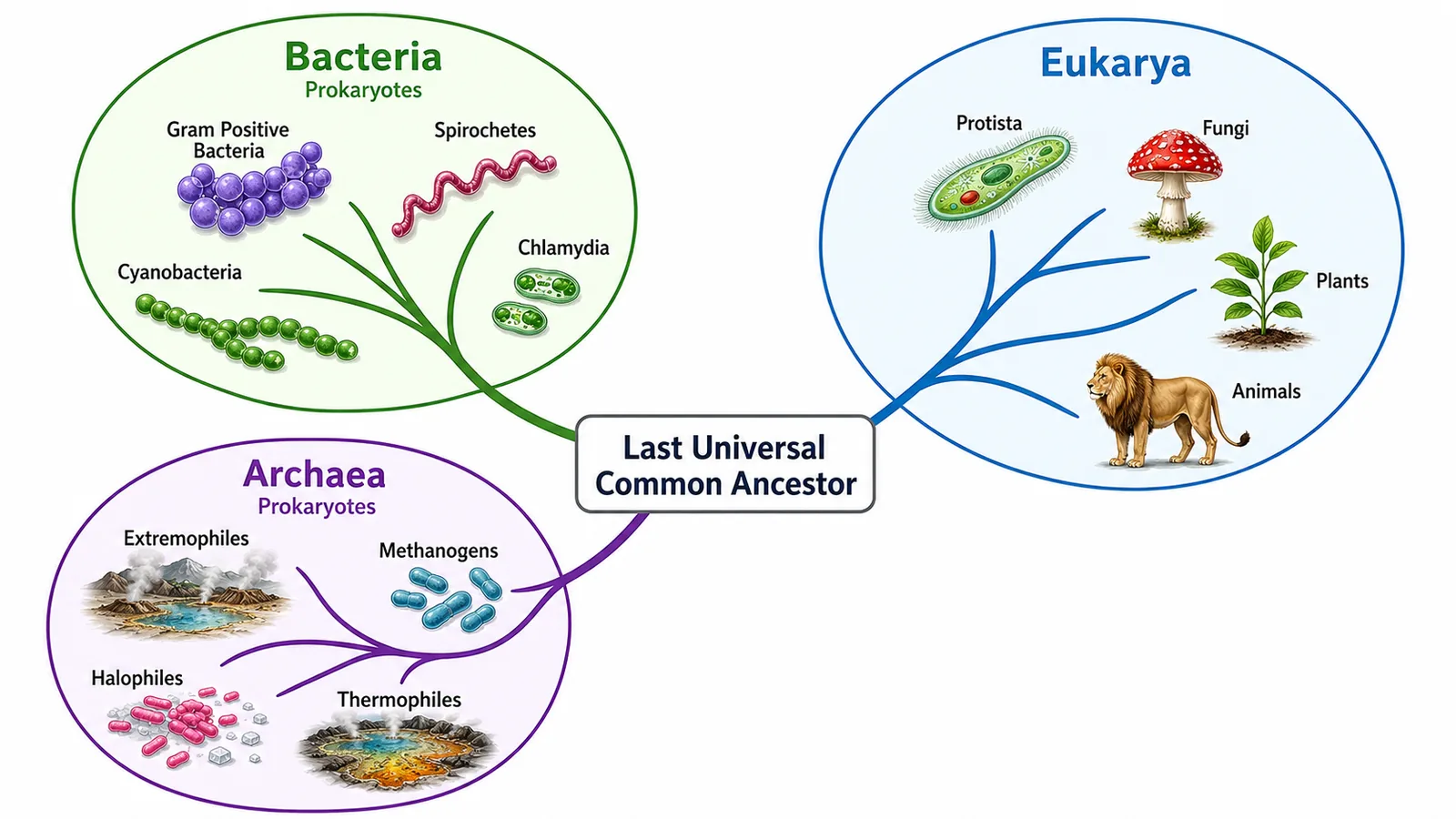

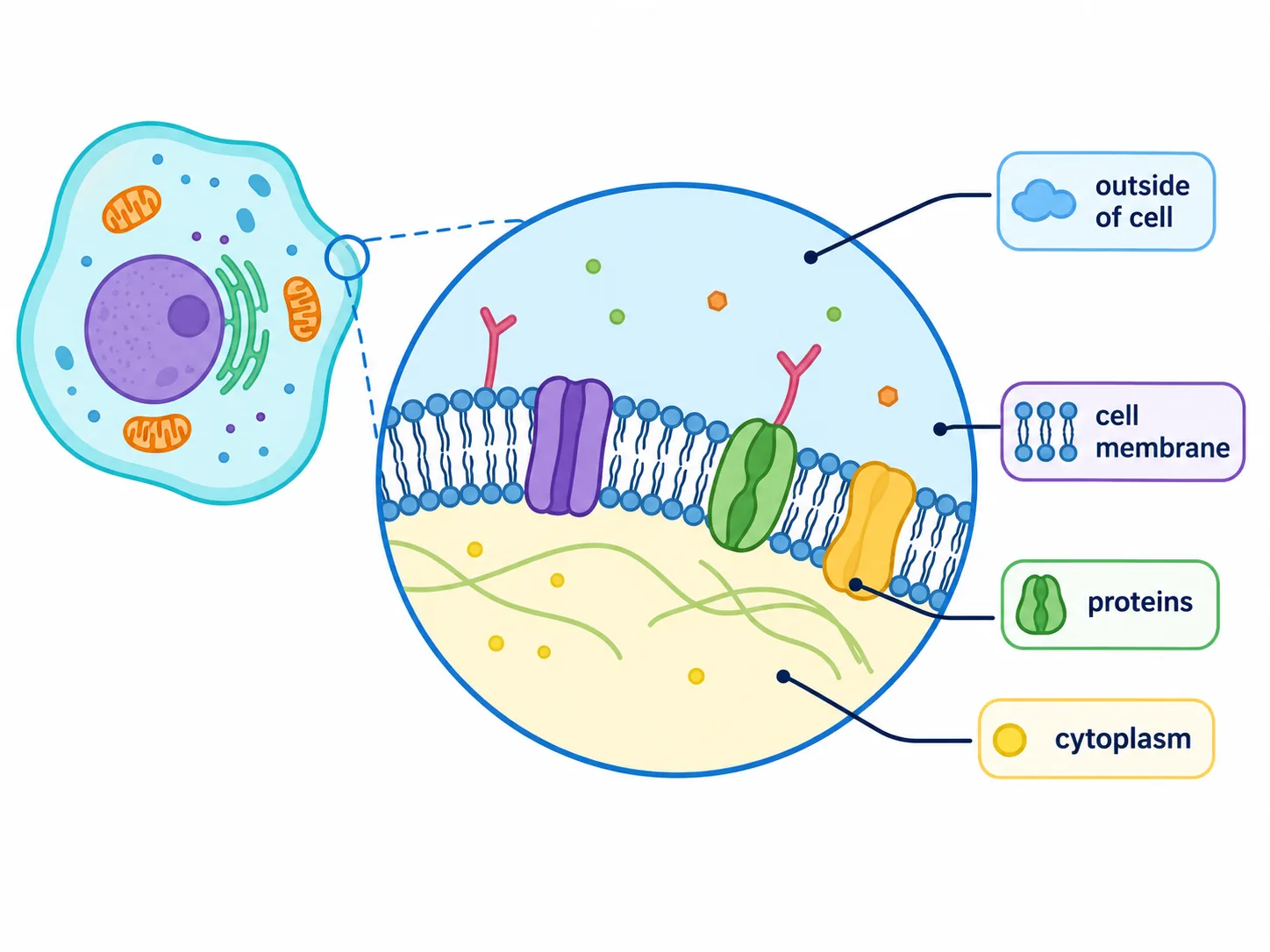

 ⤢ Enlarge
Taxonomy
The science of naming, describing and classifying organisms.
Binomial nomenclature
Linnaeus’s two-part naming system of genus plus specific epithet, e.g. Homo sapiens.
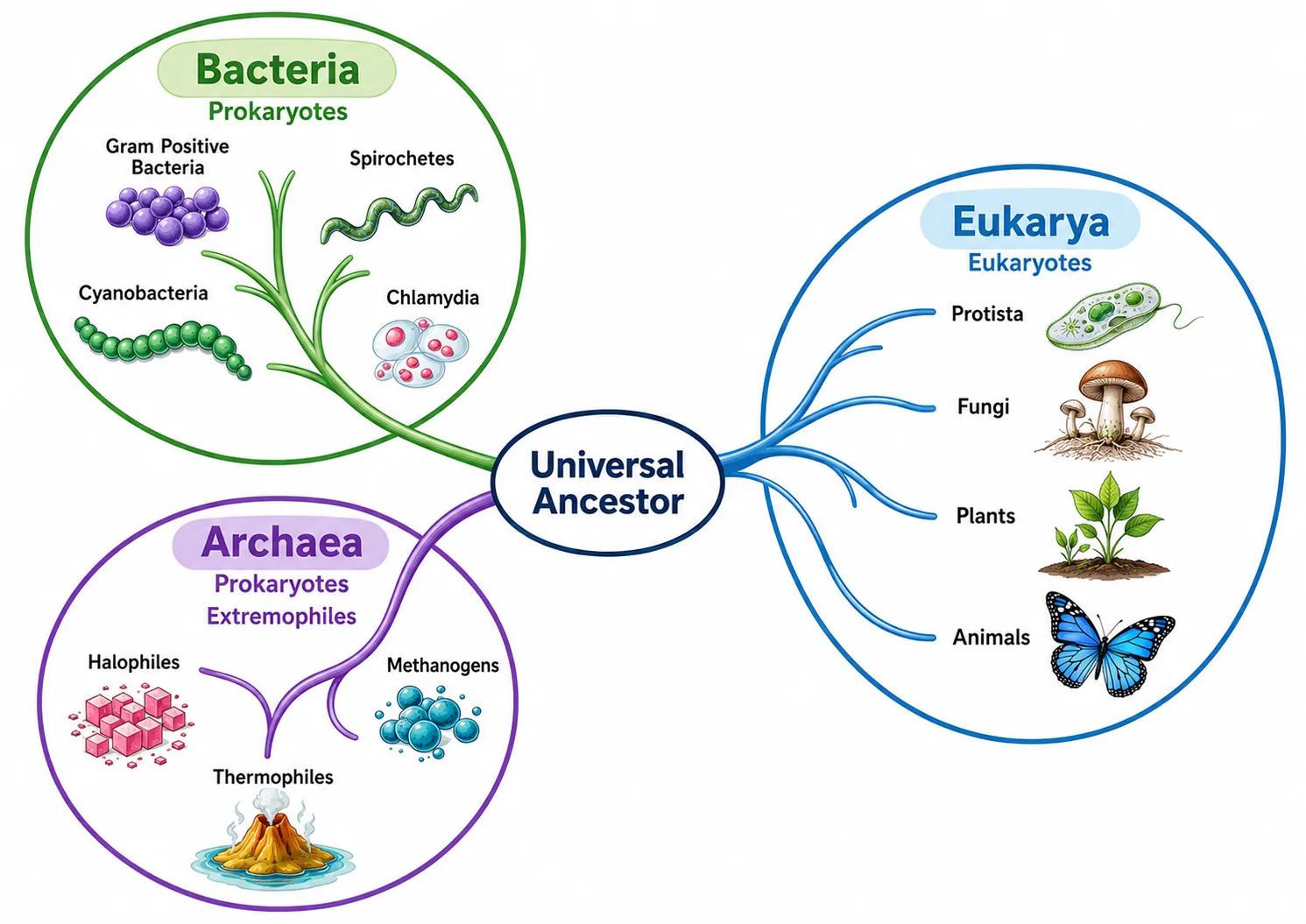
Domain
The broadest taxonomic rank: Bacteria, Archaea or Eukarya.
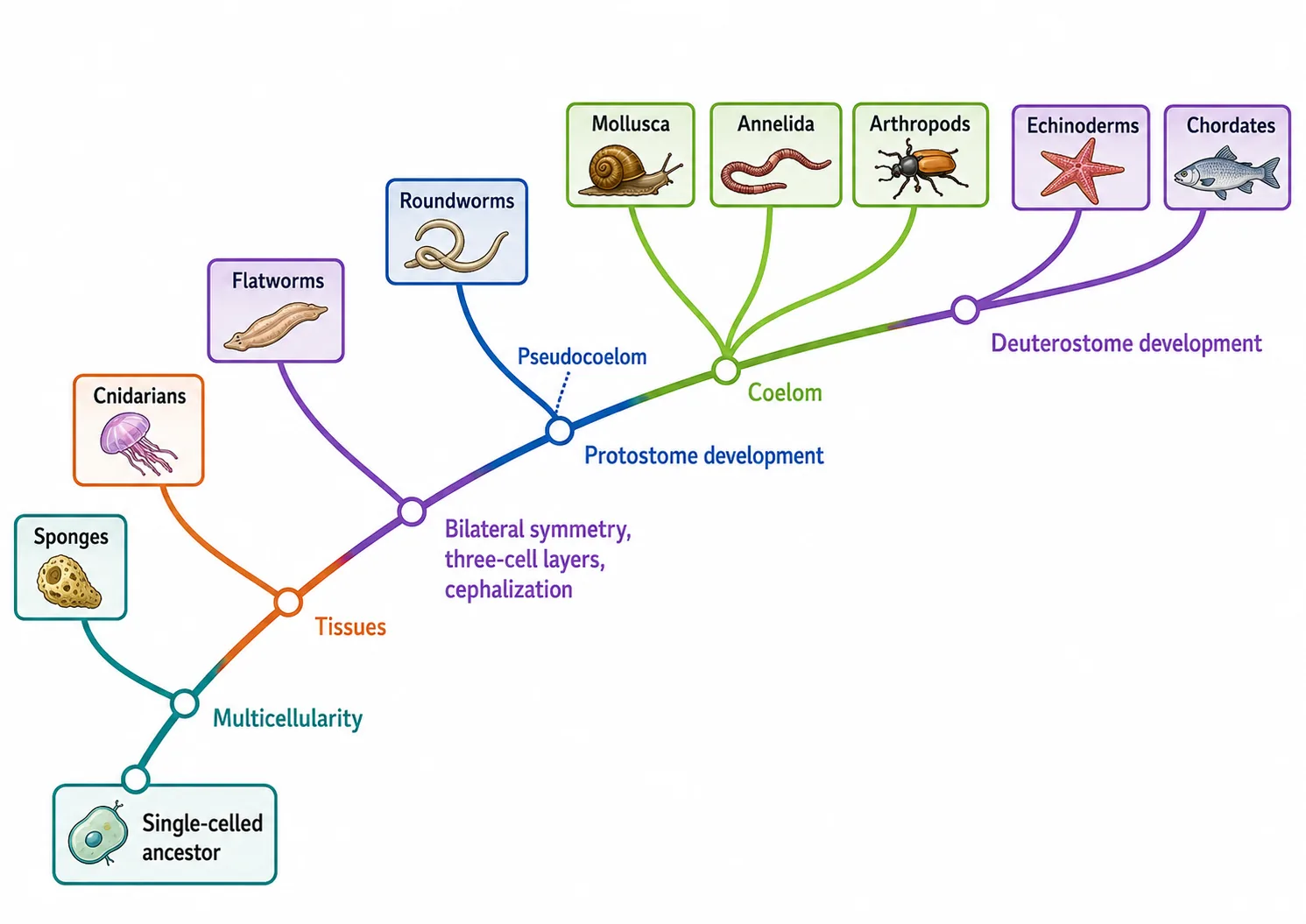
Phylogeny
The evolutionary history of a species or group.
Cladogram
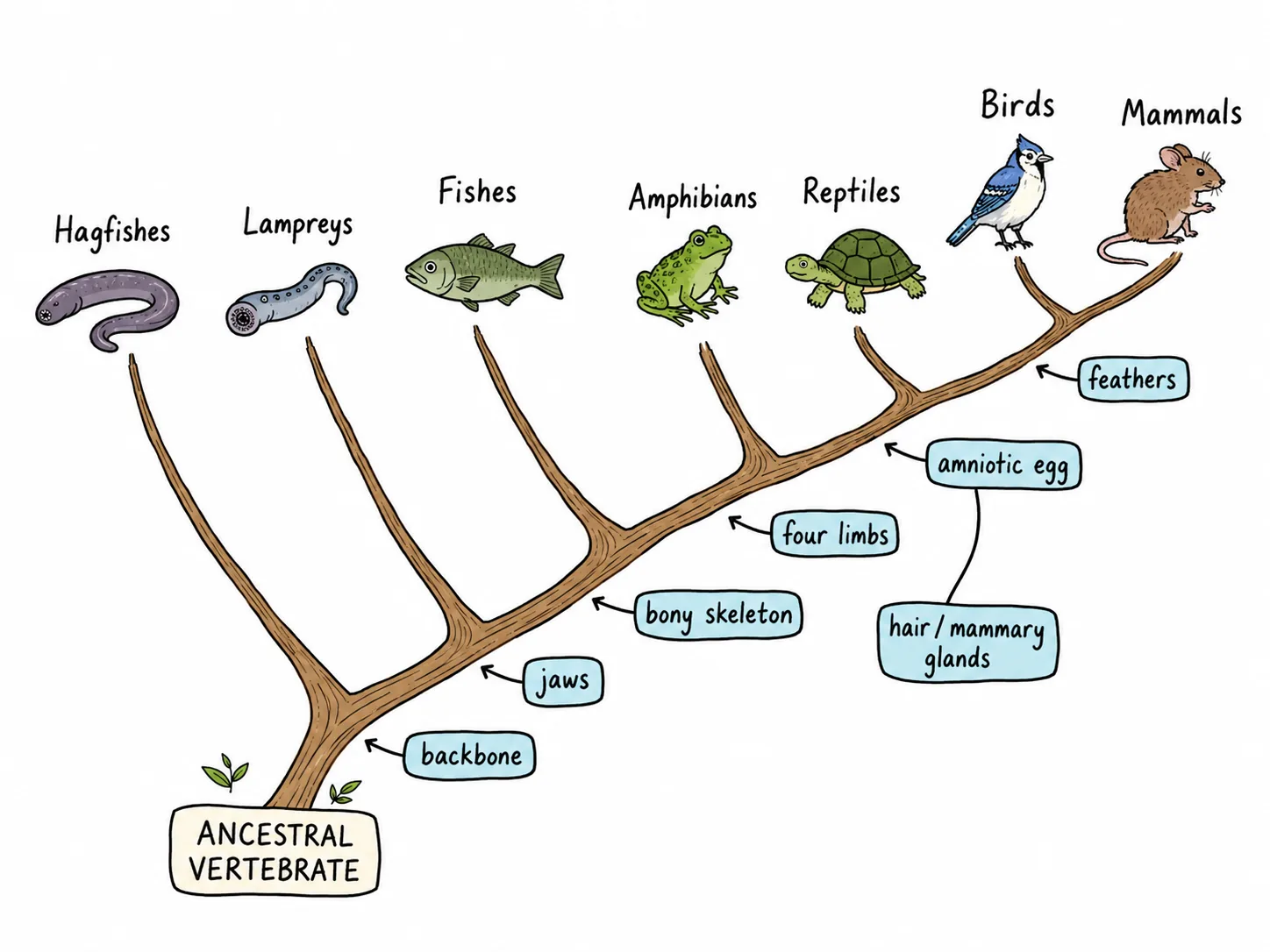
A branching diagram showing groups defined by shared derived characters.
Shared derived character
A novel trait found in a group and its common ancestor but not in more distant groups.
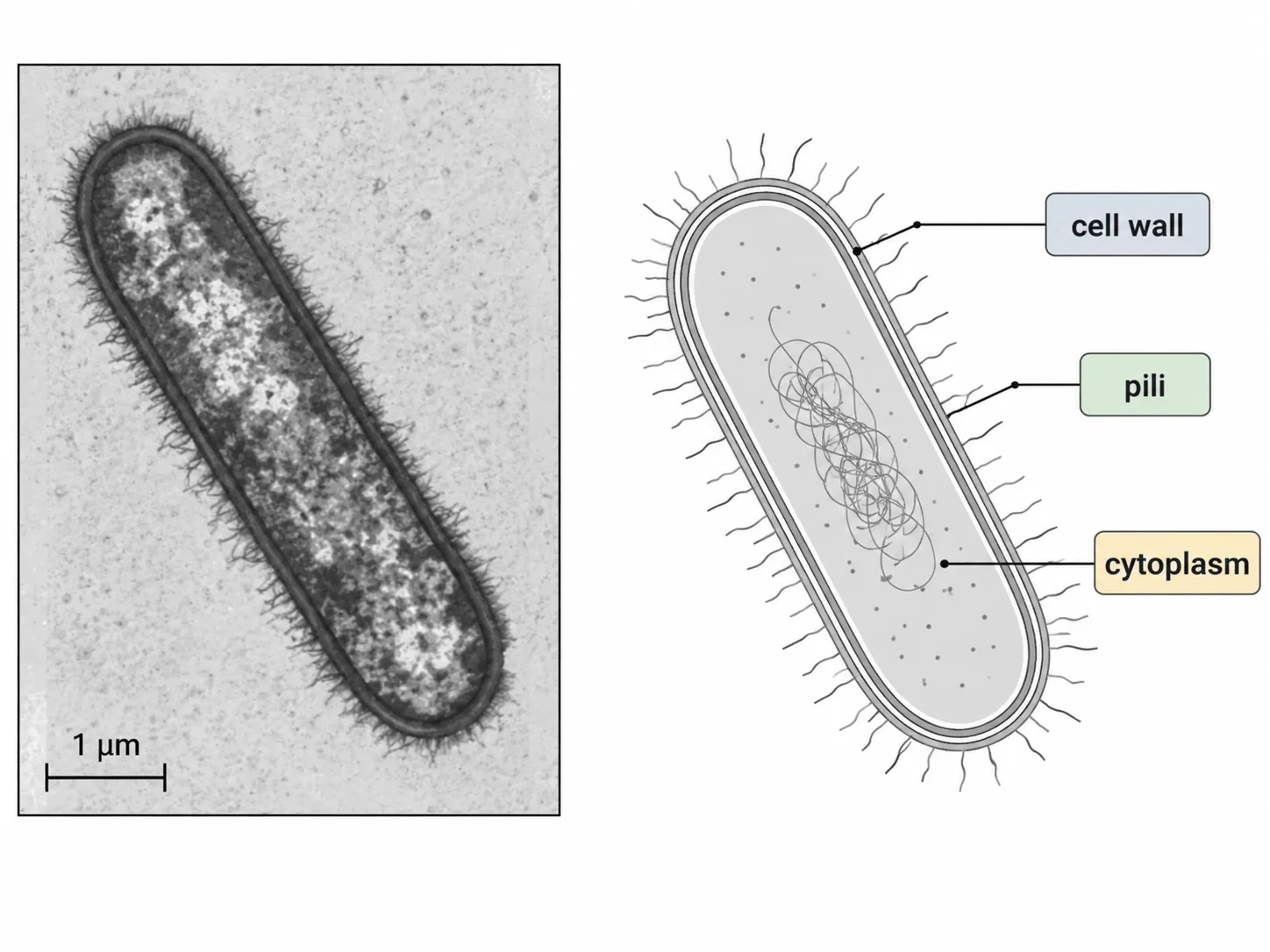
Prokaryote
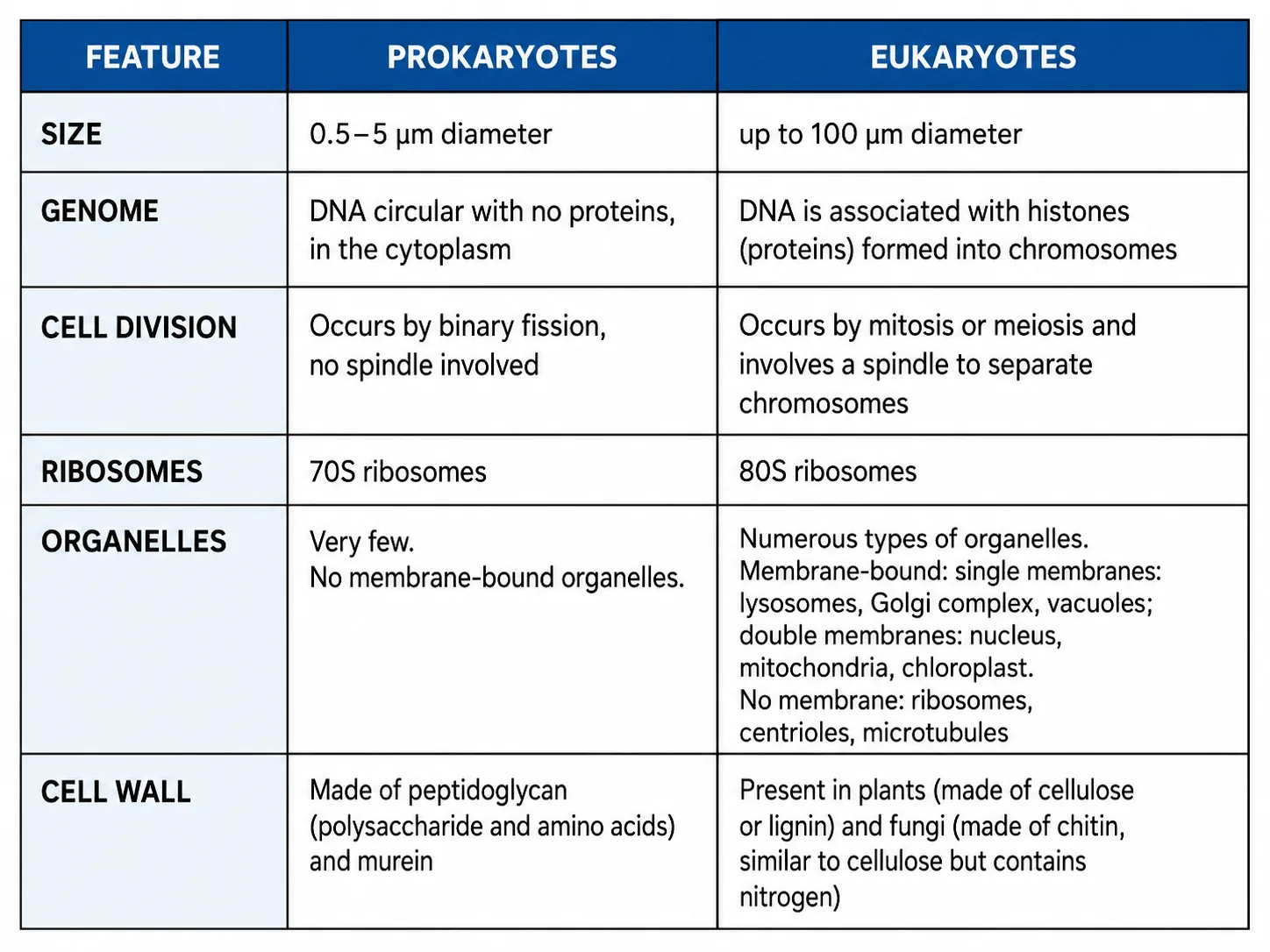
A cell lacking a nucleus and membrane-bound organelles.
Autotroph
An organism that makes its own organic food from inorganic sources, usually by photosynthesis.
Heterotroph
An organism that obtains organic carbon by consuming other organisms or organic matter.
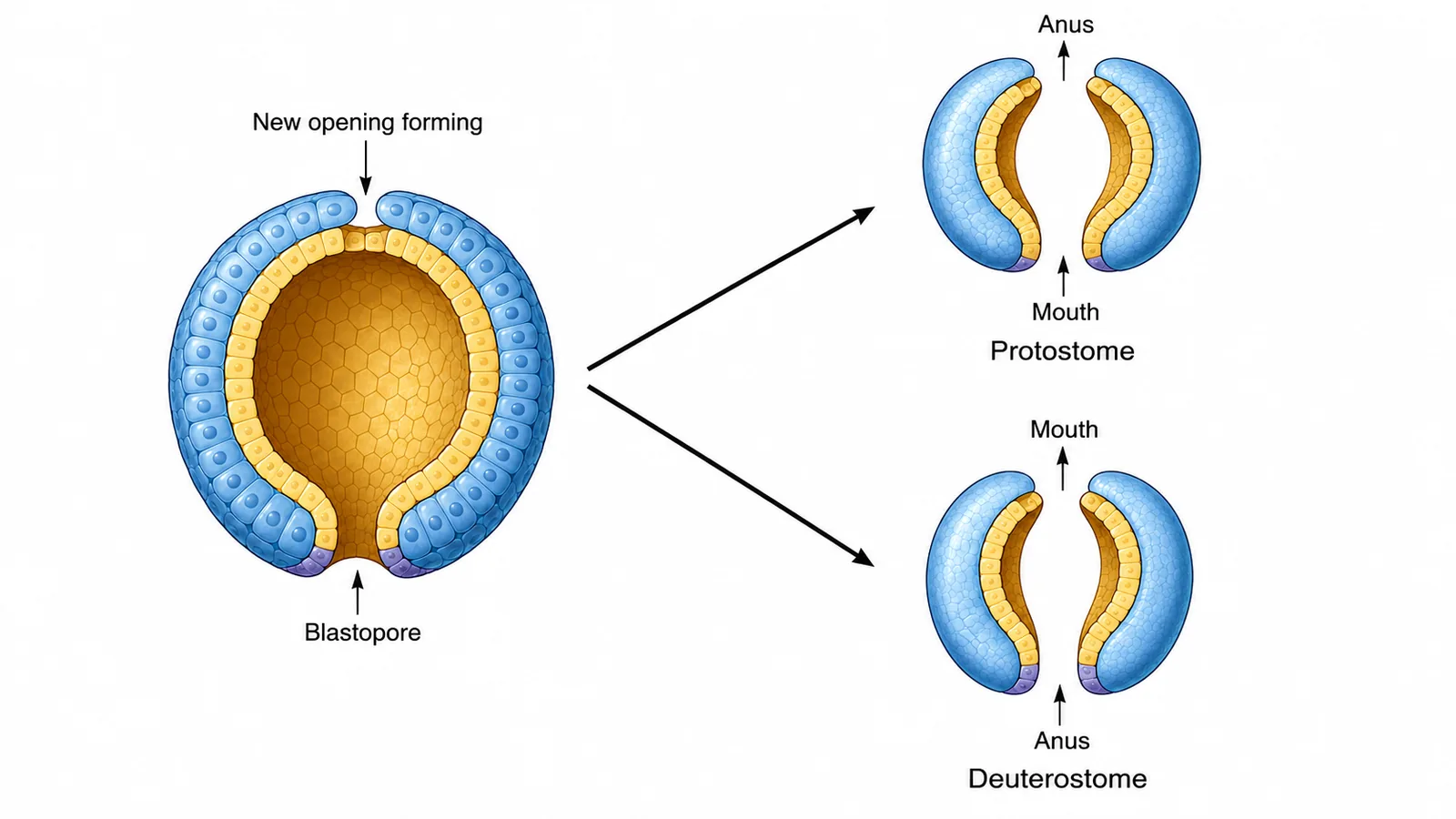
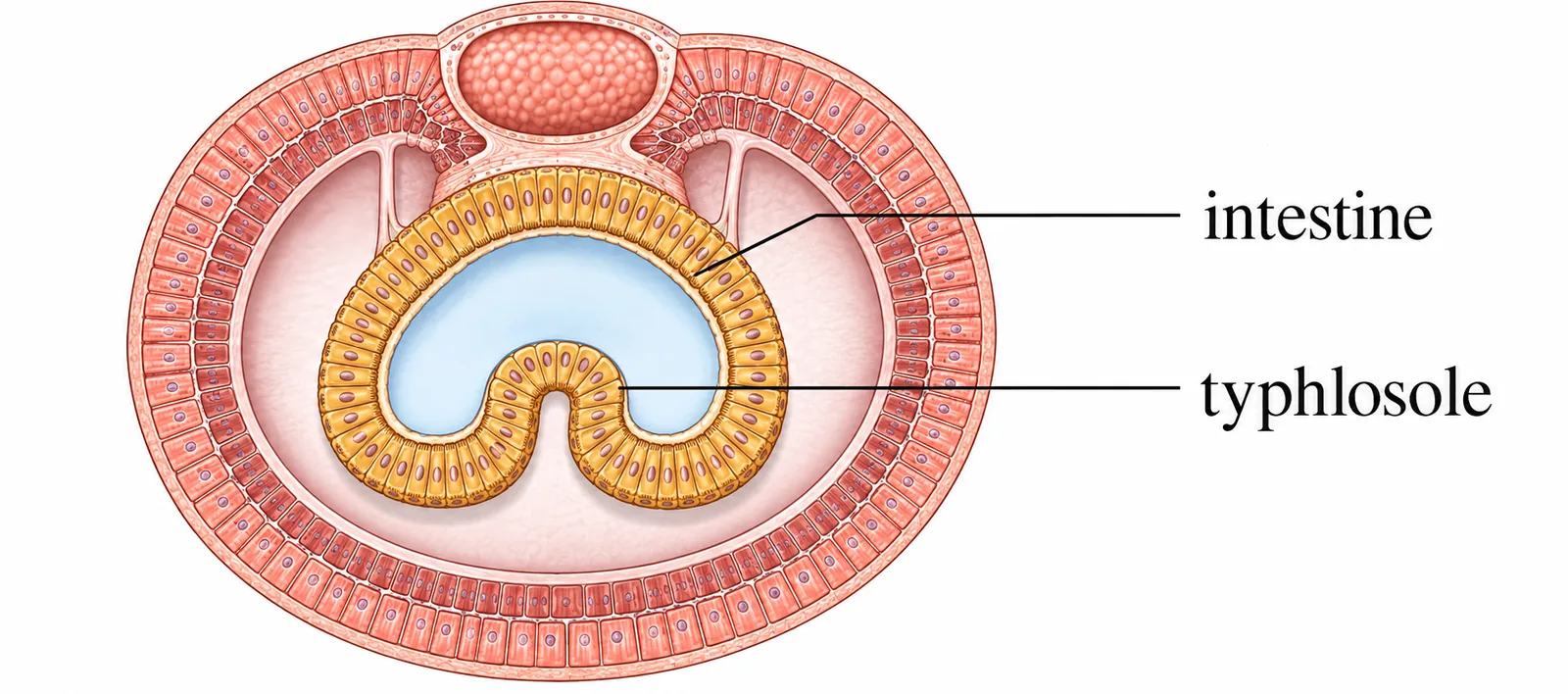
Coelom
A fluid-filled body cavity fully lined by mesoderm.
| Feature | Bacteria | Archaea | Eukarya |
|---|---|---|---|
| Nucleus | No | No | Yes |
| Peptidoglycan cell wall | Yes | No | No (plants cellulose, fungi chitin) |
| Membrane lipids | Ester-linked | Ether-linked | Ester-linked |
| Histones | No | Some | Yes |
| Examples | E. coli, cyanobacteria | Thermophiles, methanogens, halophiles | Protists, fungi, plants, animals |
Archaea are more closely related to eukaryotes than to bacteria.
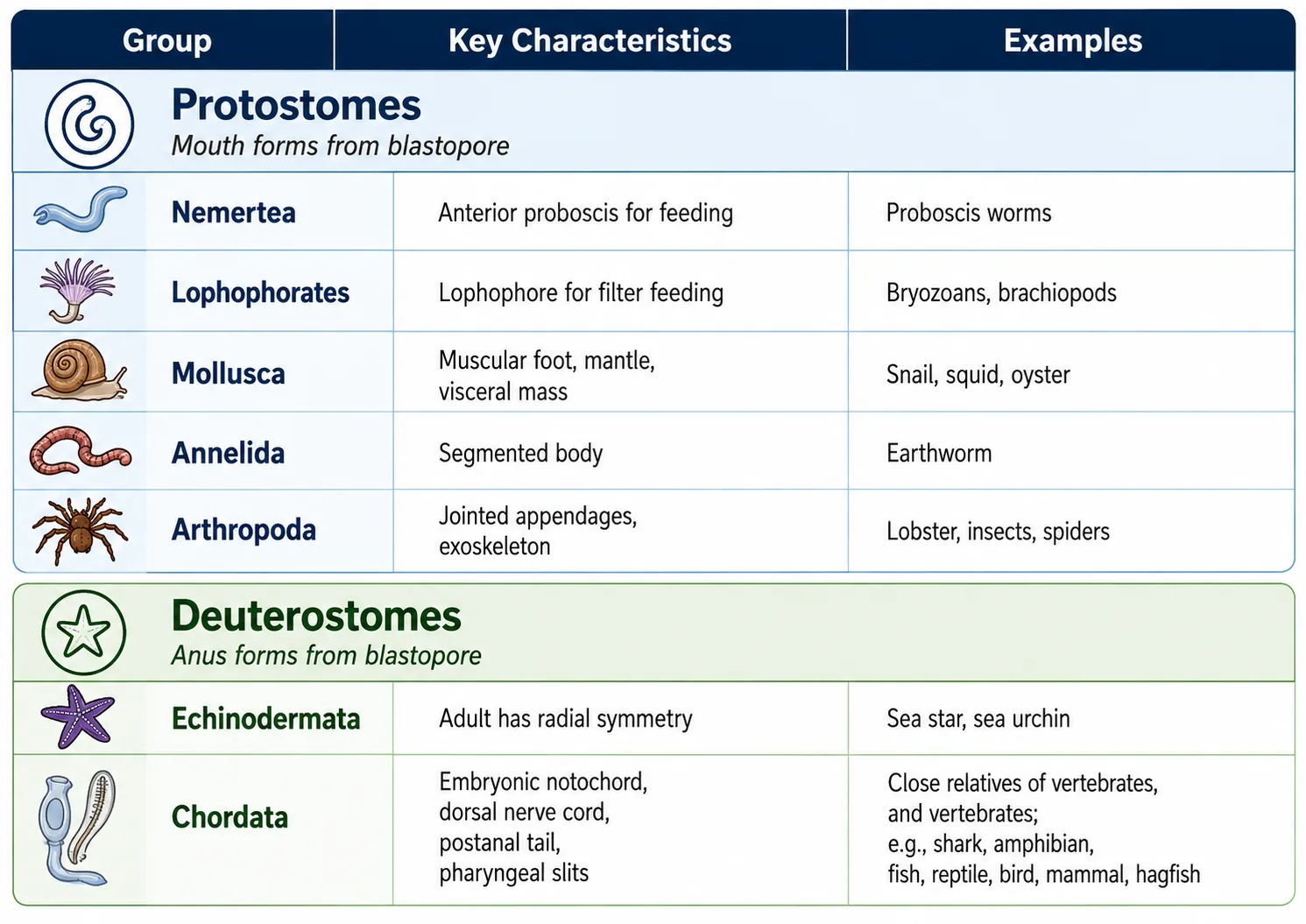
| Phylum | Symmetry | Key features | Example |
|---|---|---|---|
| Porifera | None | No true tissues, choanocytes | Sponges |
| Cnidaria | Radial | Two layers, stinging cnidocytes | Jellyfish, hydra |
| Platyhelminthes | Bilateral | Flat, acoelomate, one gut opening | Tapeworm, planarian |
| Annelida | Bilateral | Segmented, coelomate, closed circulation | Earthworm |
| Arthropoda | Bilateral | Exoskeleton of chitin, jointed legs | Insects, crabs, spiders |
| Chordata | Bilateral | Notochord, dorsal hollow nerve cord, pharyngeal slits, post-anal tail | Fish, humans |