Curriculum
EST II Biology
1. Molecules & Cells
0/15
2. Genetics & Biotechnology
0/7
3. Evolution & Diversity
0/7
-
McGraw-Hill SAT Biology — Chapter 7: Understanding Evolution and Diversity
 Preview
-
3.1 Evolution & Natural Selection
Preview
-
3.1 Evolution & Natural Selection (SAT Biology) - Check yourself
 Preview
-
3.2 Classification & Diversity of Life
Preview
-
3.2 Classification & Diversity of Life (SAT Biology) - Check yourself
Preview
-
3.3 Plant Structure & Reproduction
Preview
-
3.3 Plant Structure & Reproduction (SAT Biology) - Check yourself
Preview
4. Organisms: Structure & Function
0/15
5. Ecology
0/5
6. Laboratory Skills
0/2
SAT Biology — Full Book Tests and Strategy
0/8
3.1 Evolution & Natural Selection
Explain Darwin’s mechanism of natural selection.
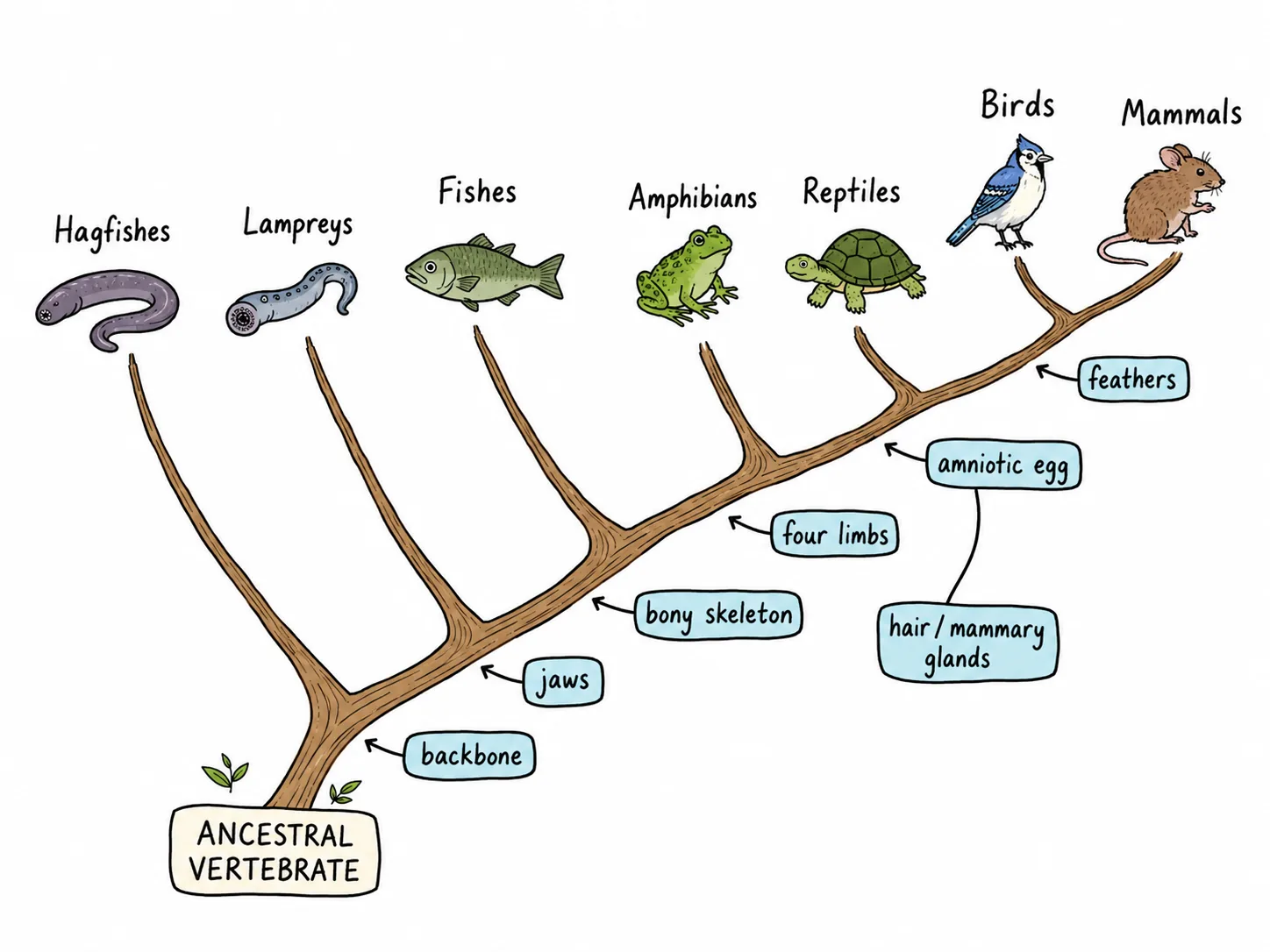

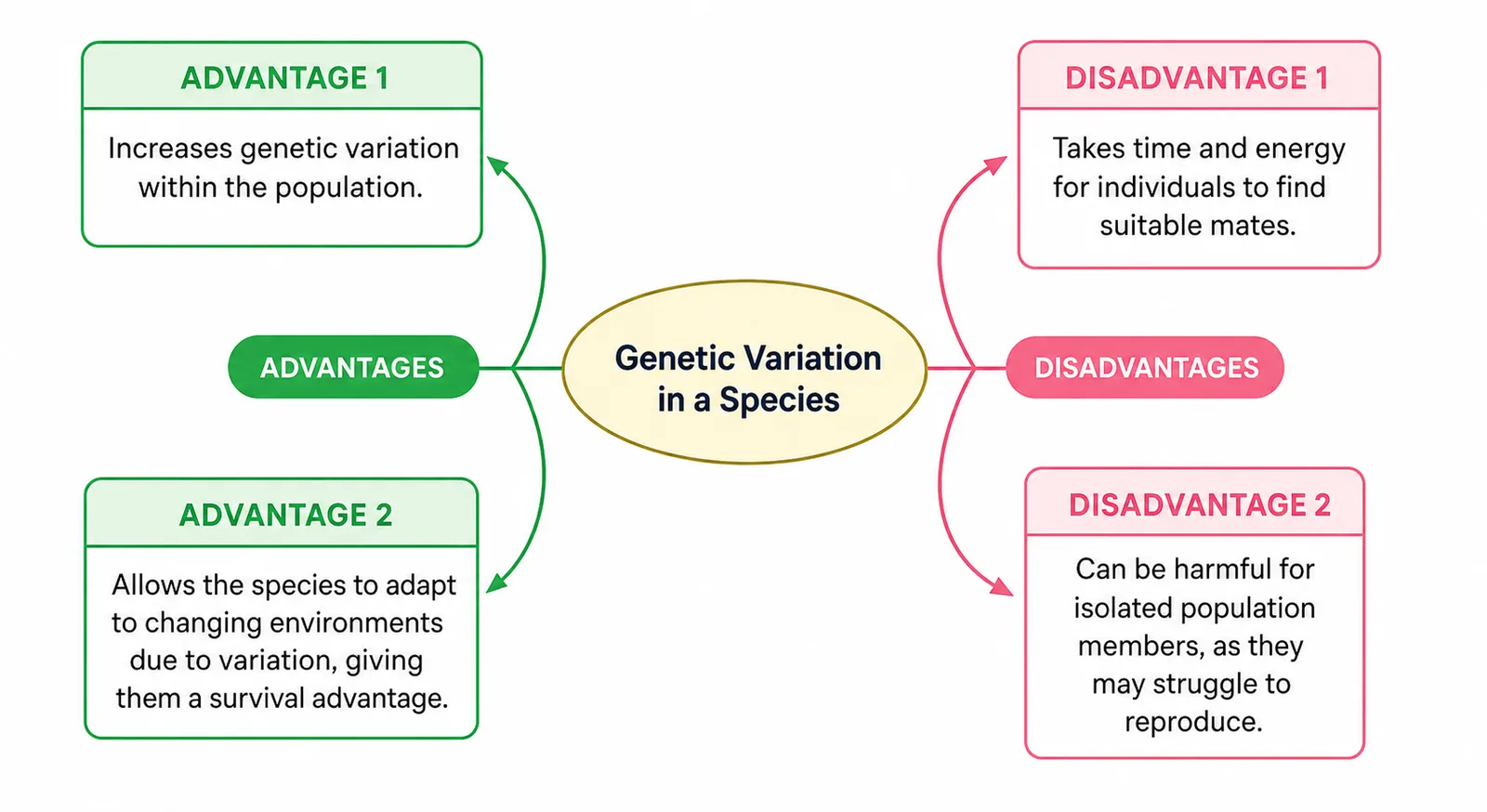

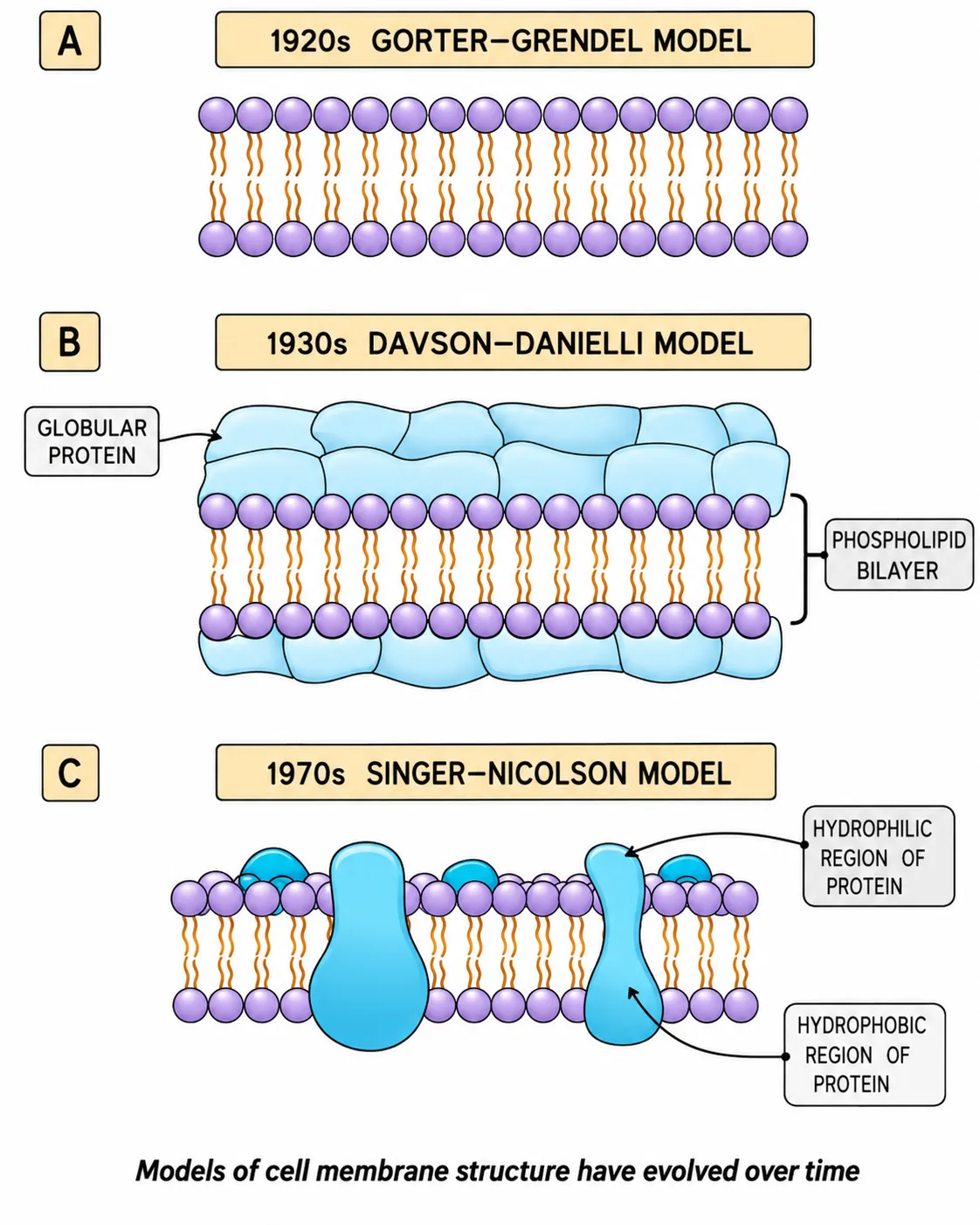

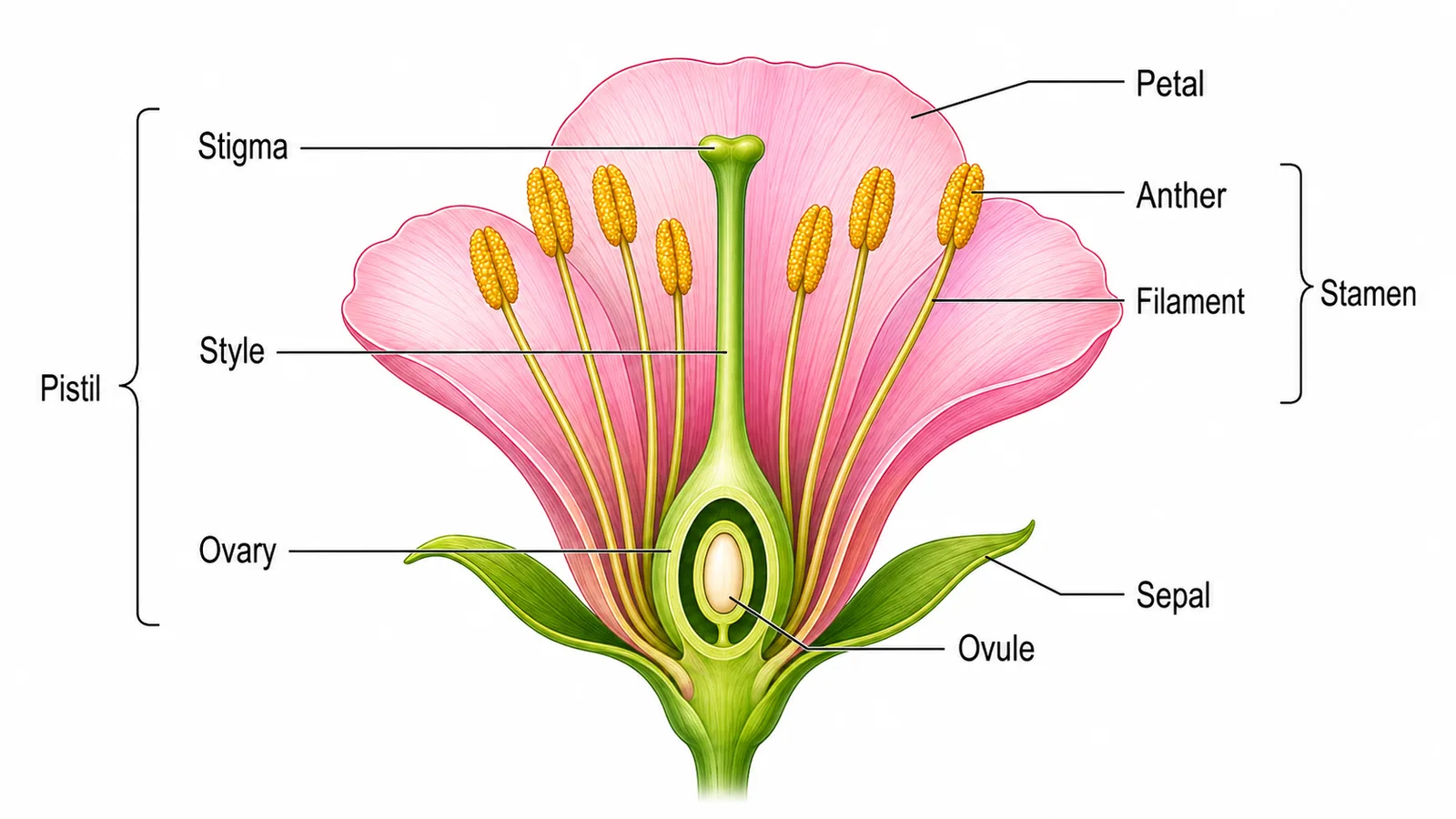 ⤢ Enlarge
 ⤢ Enlarge
 ⤢ Enlarge
 ⤢ Enlarge
Evolution
A change in the allele frequencies of a population over successive generations.
Natural selection
Differential survival and reproduction of individuals whose heritable traits better suit their environment.
Fitness
The relative number of fertile offspring an individual contributes to the next generation.
Adaptation
An inherited trait that increases an organism’s fitness in a particular environment.
Genetic drift
Random change in allele frequencies, strongest in small populations.
Gene flow
Movement of alleles between populations through migration of individuals or gametes.
Homologous structures
Structures with a shared ancestral origin that may now serve different functions, such as vertebrate forelimbs.
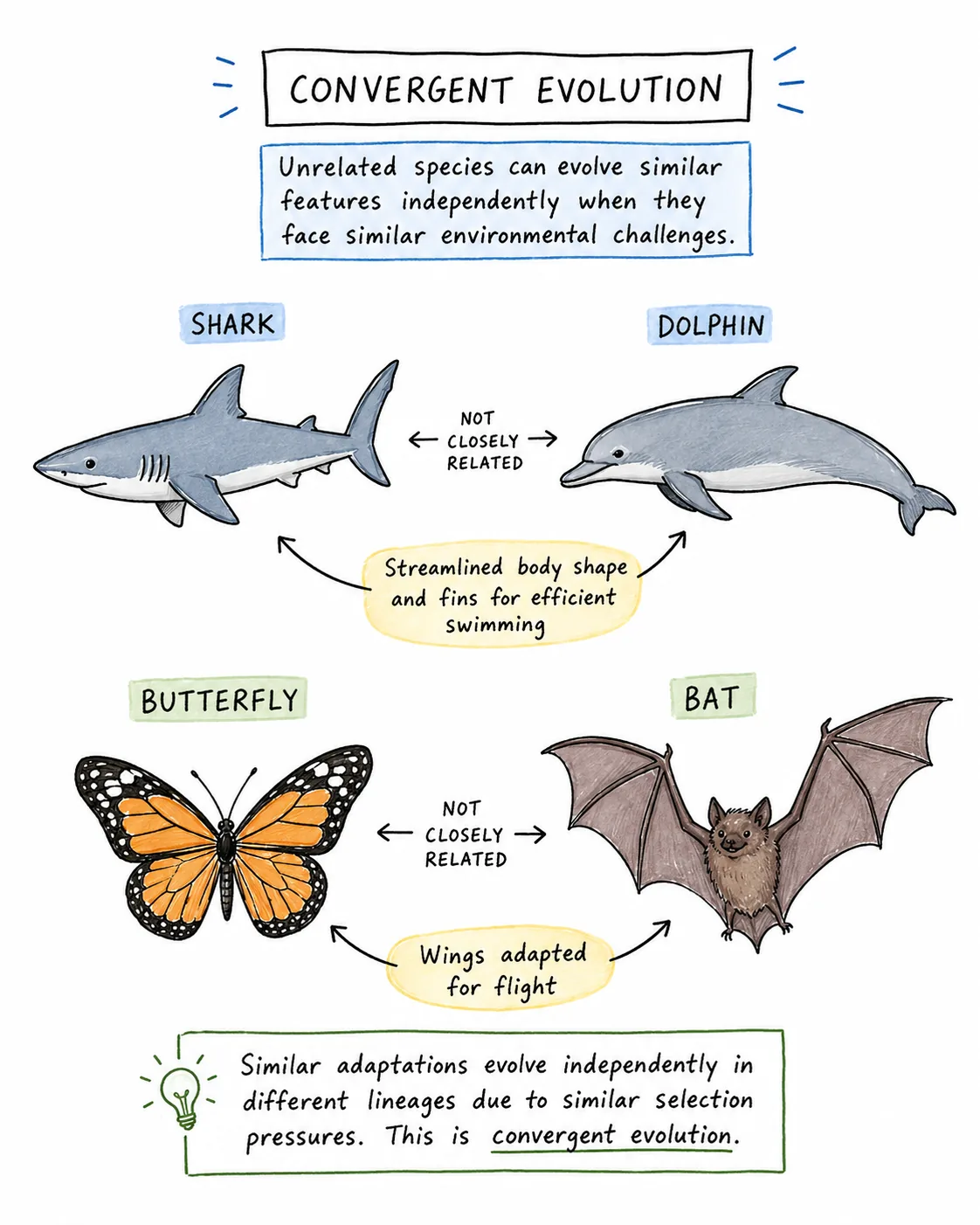
Analogous structures
Structures with similar function but separate evolutionary origin, such as bird and insect wings.
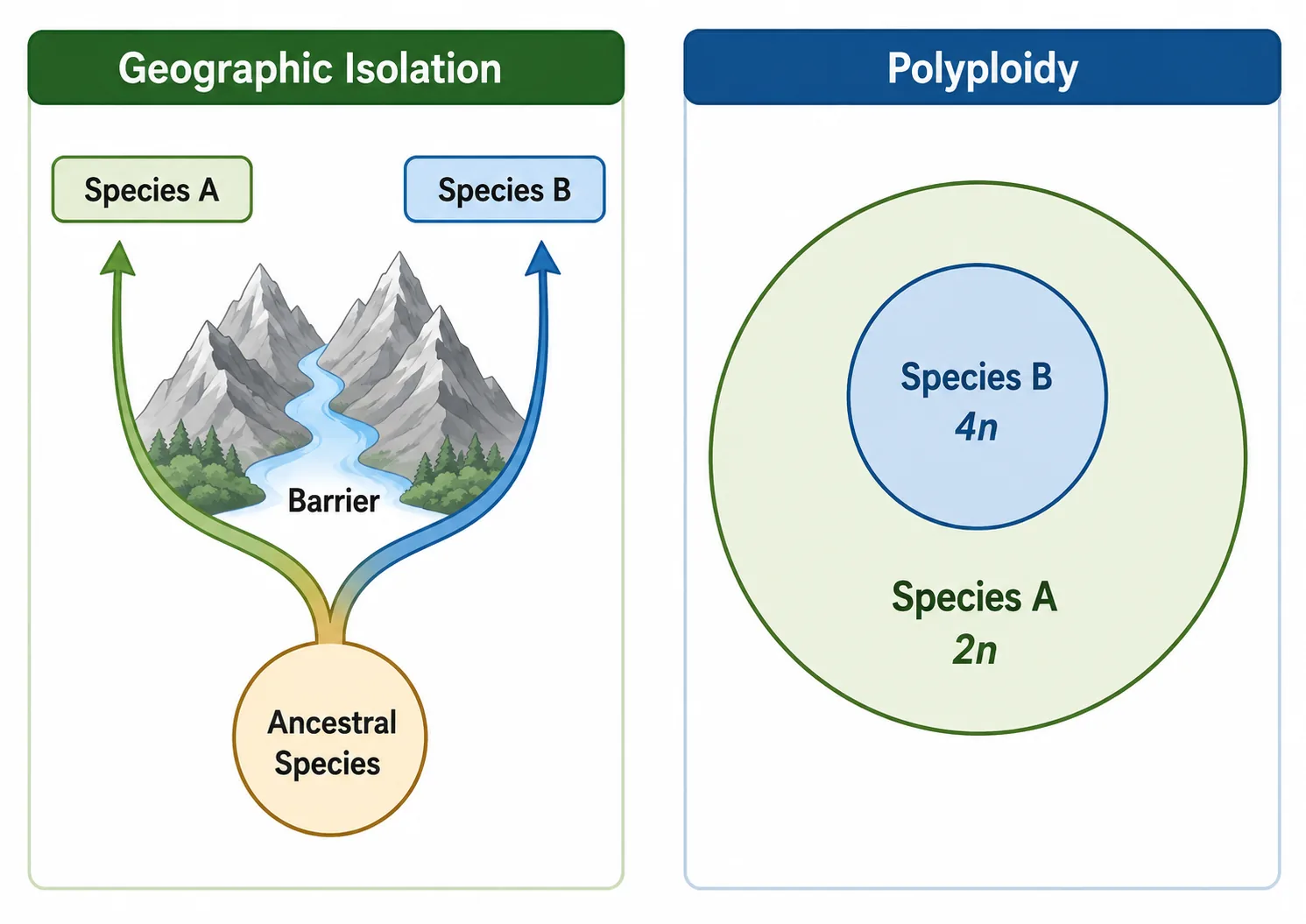
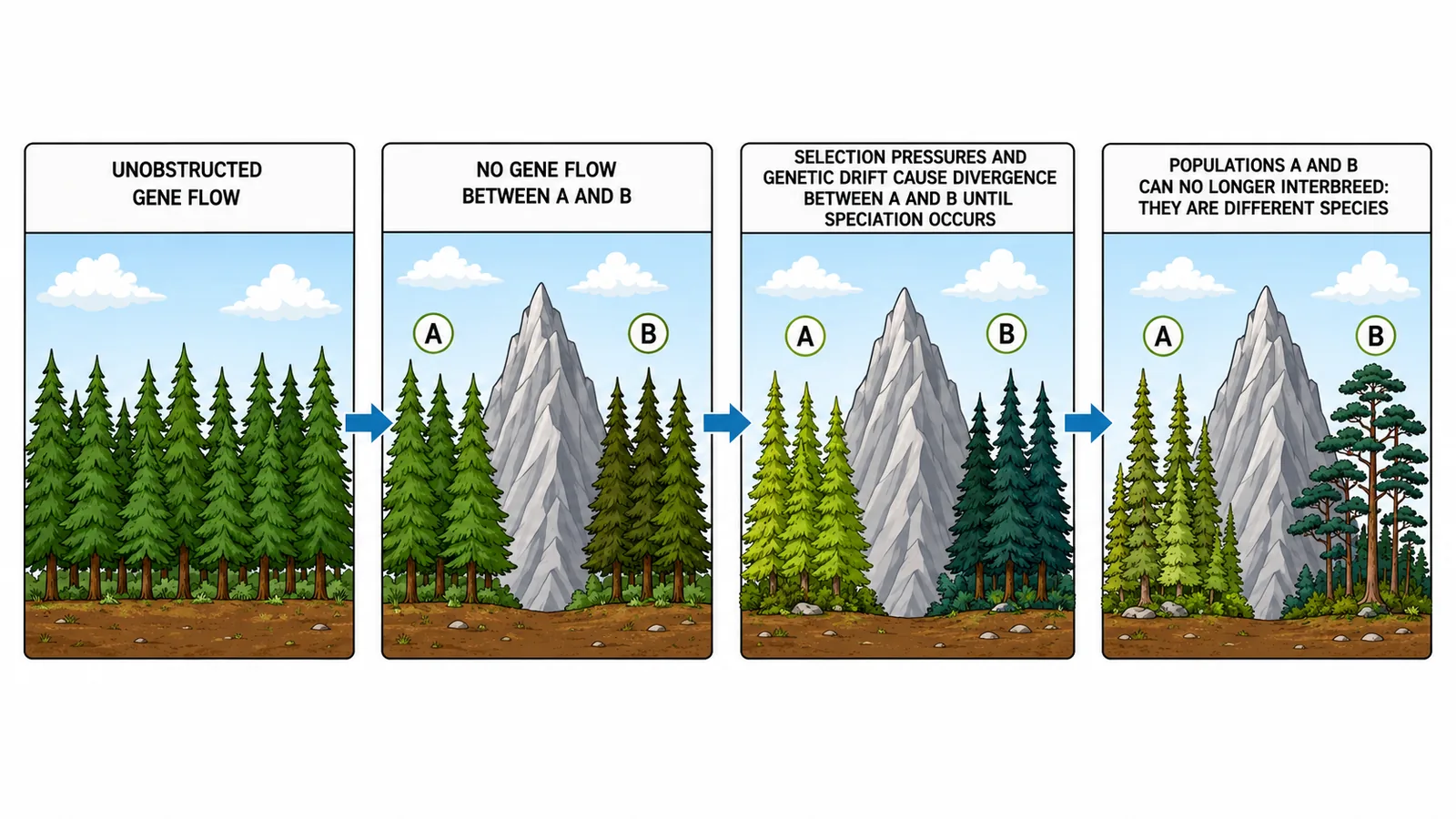
Speciation
The formation of a new species when populations become reproductively isolated.
Hardy-Weinberg equilibrium
A model state in which allele and genotype frequencies stay constant because no evolutionary forces act.
| Mode | What is favored | Effect on distribution | Example |
|---|---|---|---|
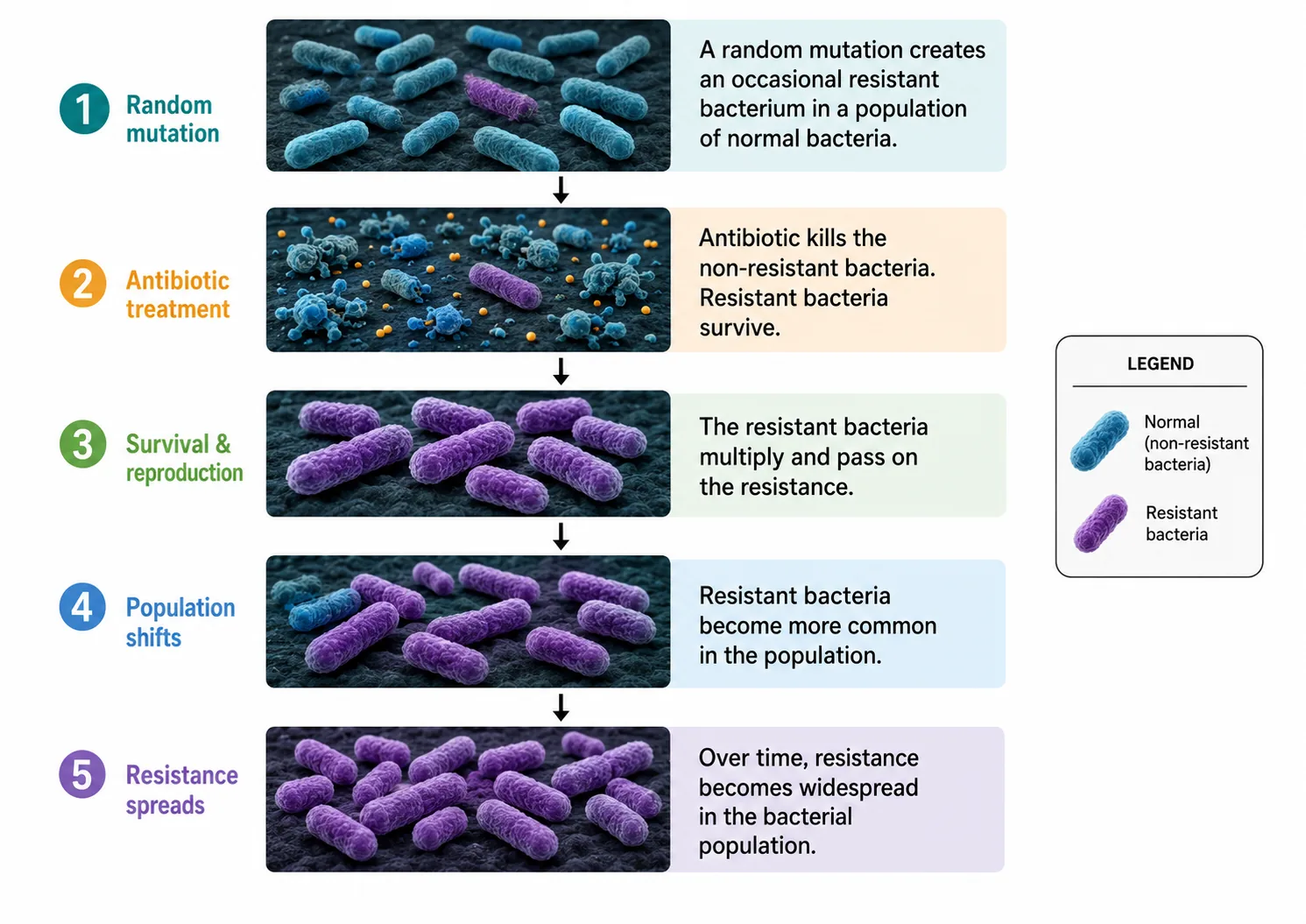
| Directional | One extreme phenotype | Mean shifts one way | Antibiotic resistance in bacteria |
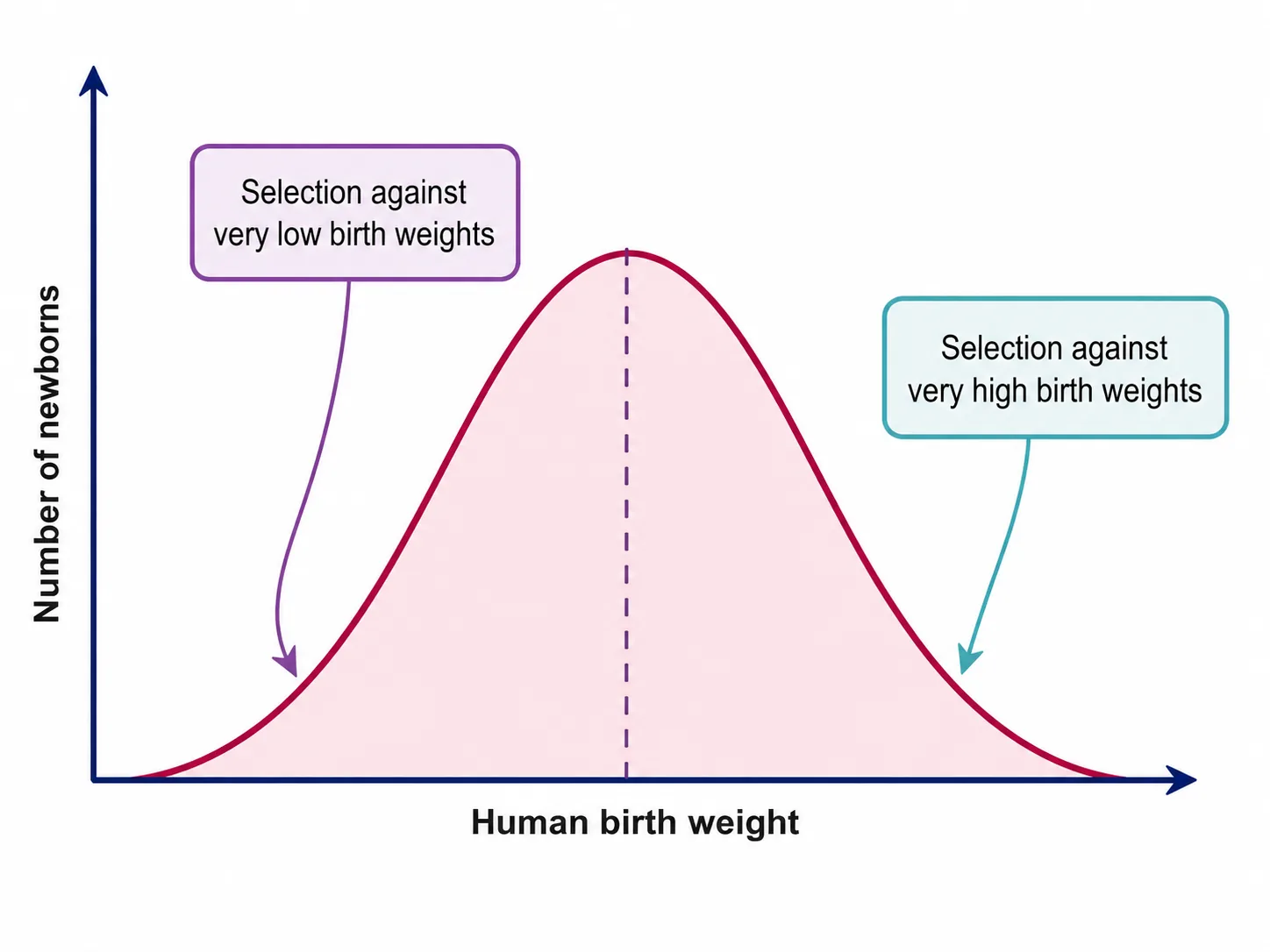
| Stabilizing | Intermediate phenotype | Variation narrows | Human birth weight |
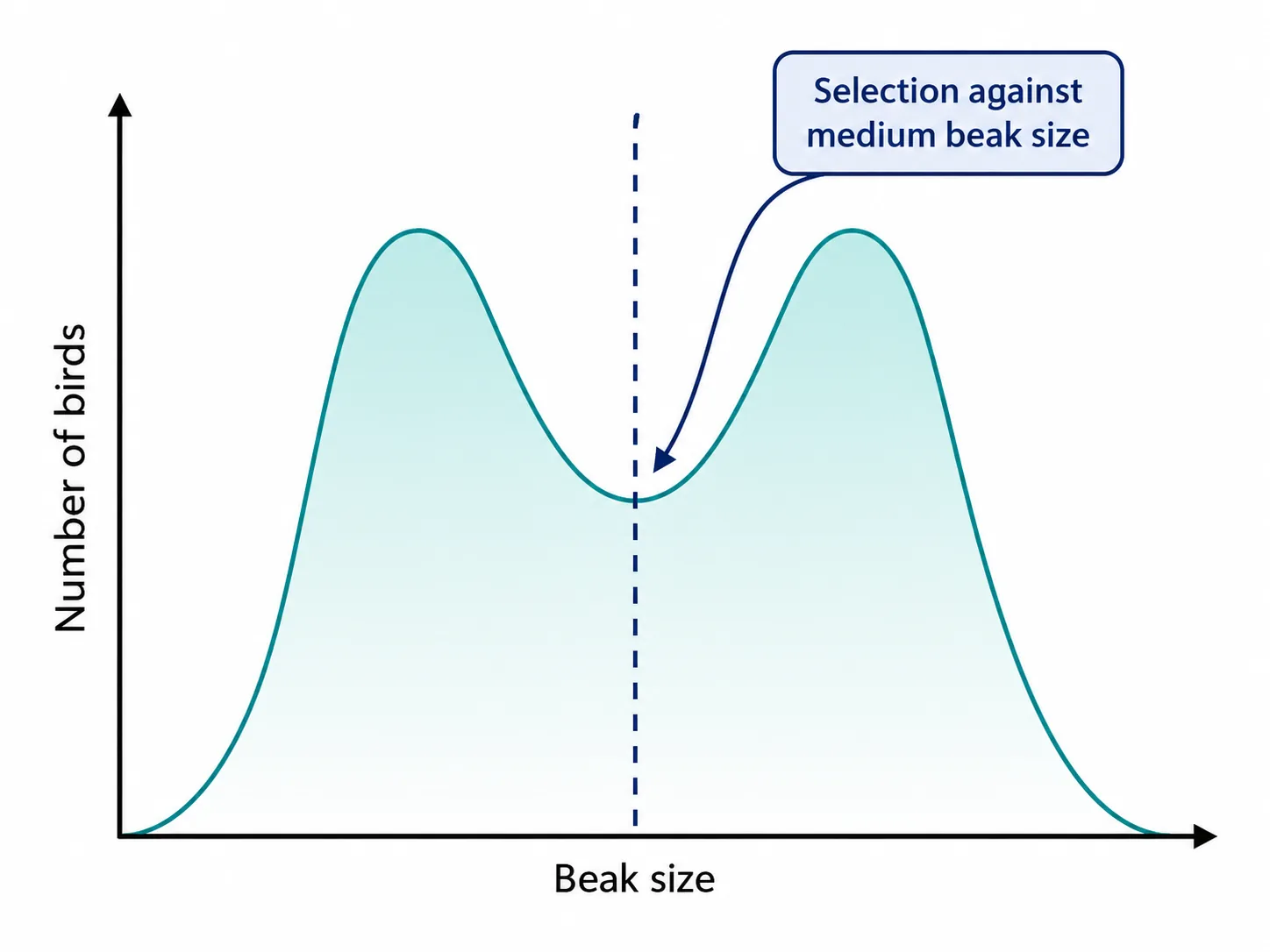
| Disruptive | Both extremes | Two peaks form | Seed-cracking finches with small or large beaks |
| Sexual selection | Traits that win mates | Exaggerated display traits | Peacock tail |
Only heritable variation can be acted on by selection.
| Barrier | Type | Description |
|---|---|---|
| Habitat isolation | Prezygotic | Species live in different habitats and rarely meet |
| Temporal isolation | Prezygotic | Breed at different times of day or year |
| Behavioral isolation | Prezygotic | Different courtship signals |
| Mechanical / gametic | Prezygotic | Genitalia or gametes incompatible |
| Hybrid sterility | Postzygotic | Hybrid survives but cannot reproduce (mule) |