Curriculum
EST II Biology
1. Molecules & Cells
0/15
2. Genetics & Biotechnology
0/7
3. Evolution & Diversity
0/7
-
McGraw-Hill SAT Biology — Chapter 7: Understanding Evolution and Diversity
 Preview
-
3.1 Evolution & Natural Selection
Preview
-
3.1 Evolution & Natural Selection (SAT Biology) - Check yourself
 Preview
-
3.2 Classification & Diversity of Life
Preview
-
3.2 Classification & Diversity of Life (SAT Biology) - Check yourself
Preview
-
3.3 Plant Structure & Reproduction
Preview
-
3.3 Plant Structure & Reproduction (SAT Biology) - Check yourself
Preview
4. Organisms: Structure & Function
0/15
5. Ecology
0/5
6. Laboratory Skills
0/2
SAT Biology — Full Book Tests and Strategy
0/8
3.3 Plant Structure & Reproduction
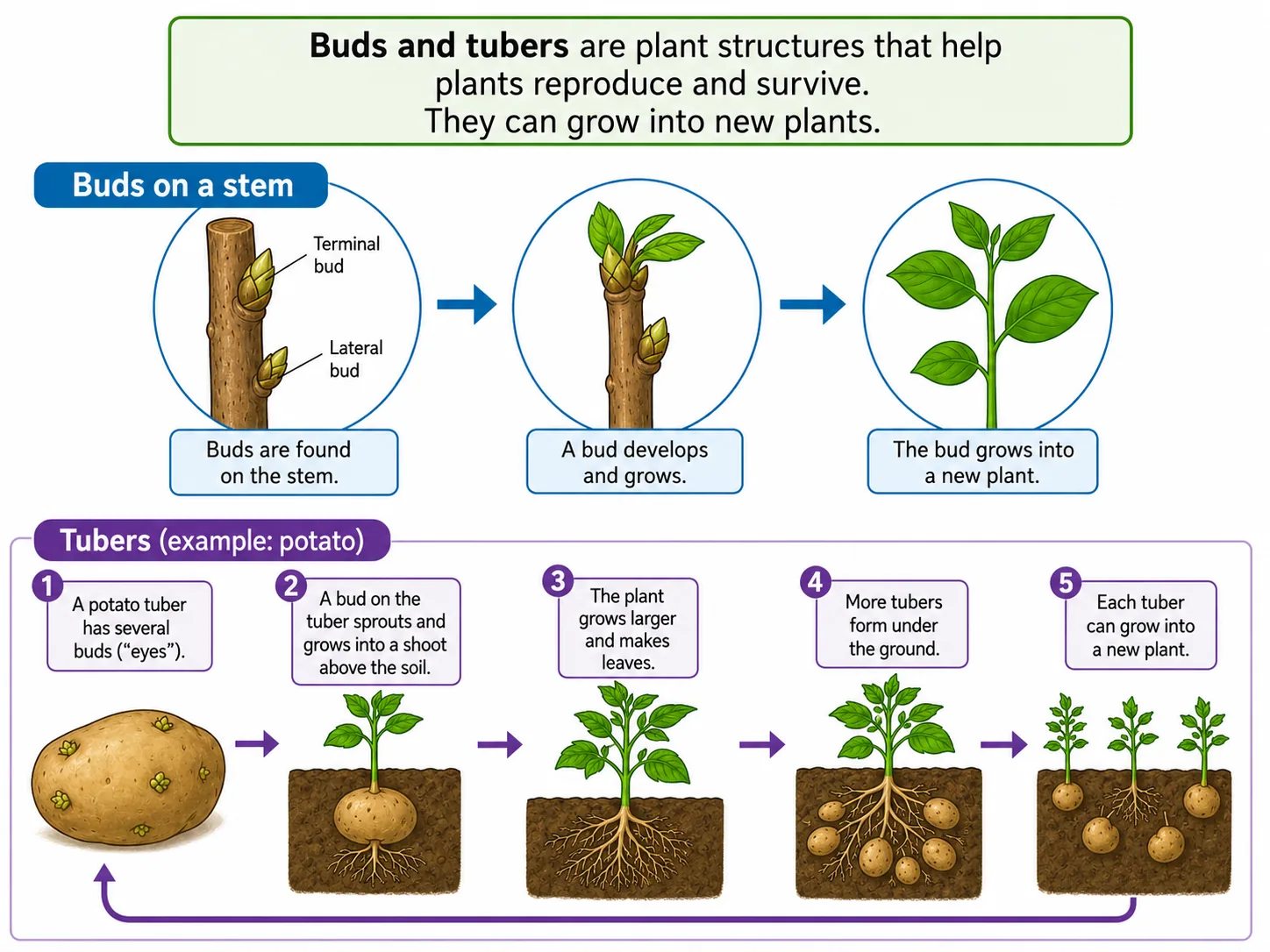
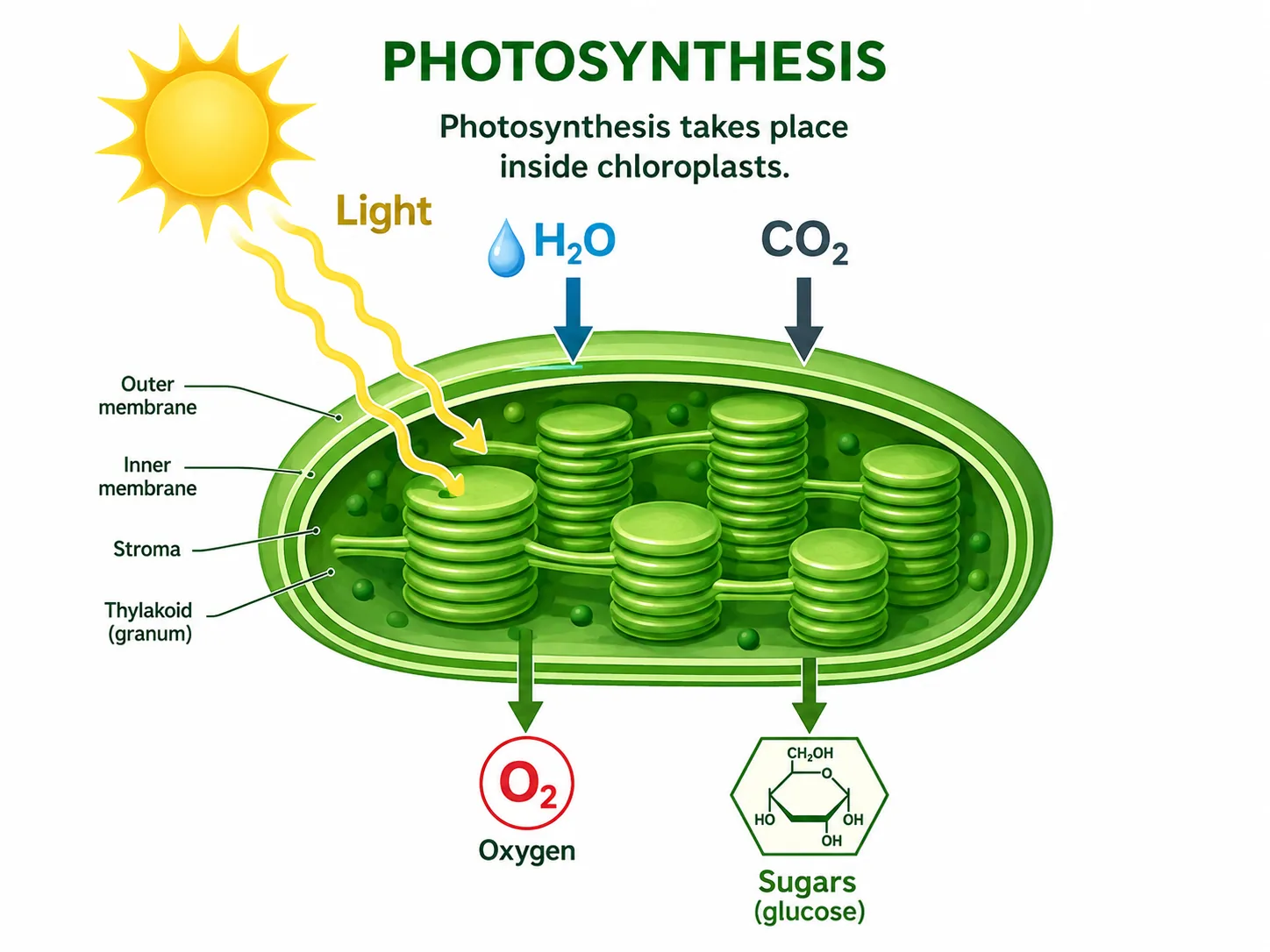
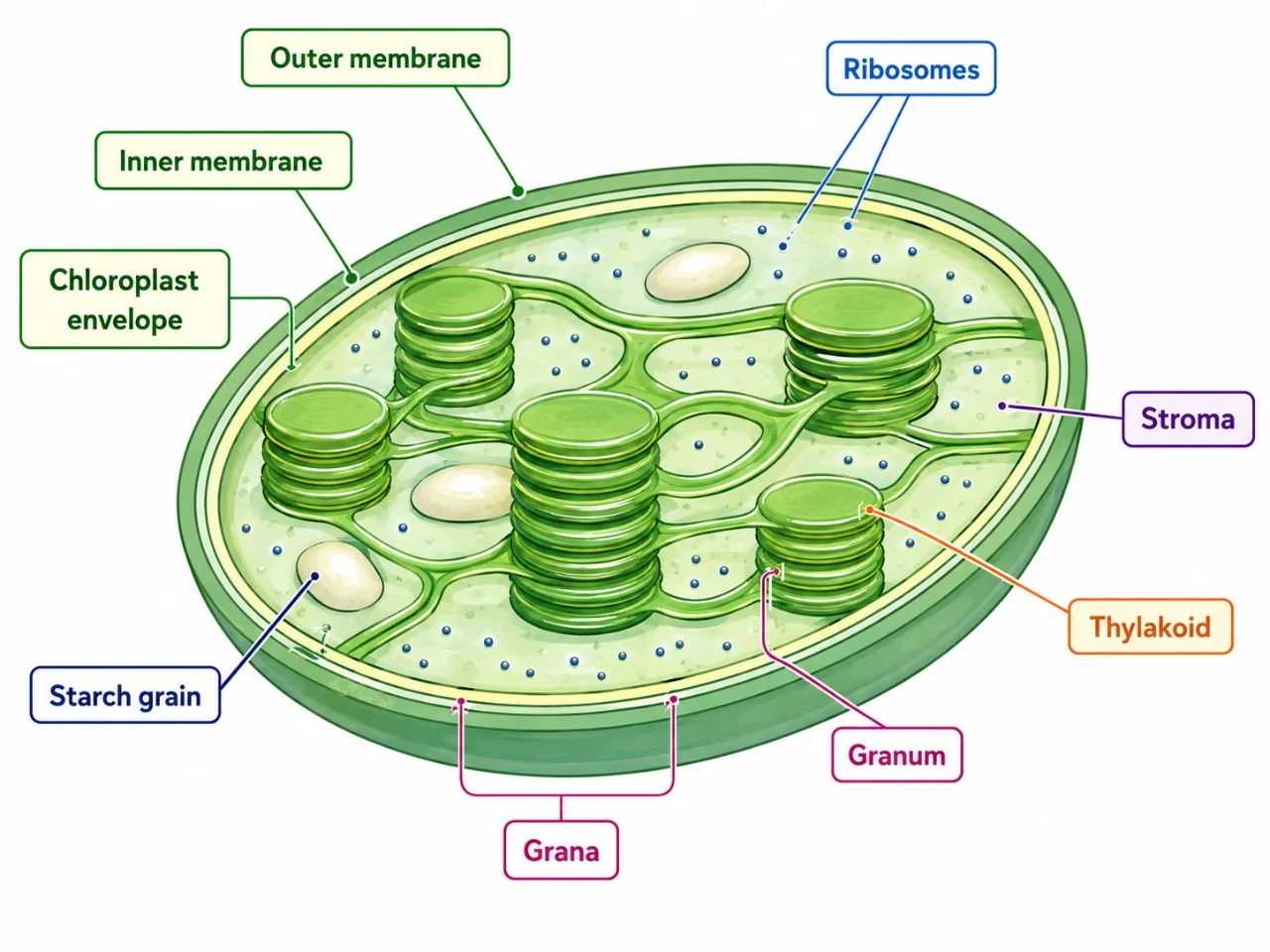
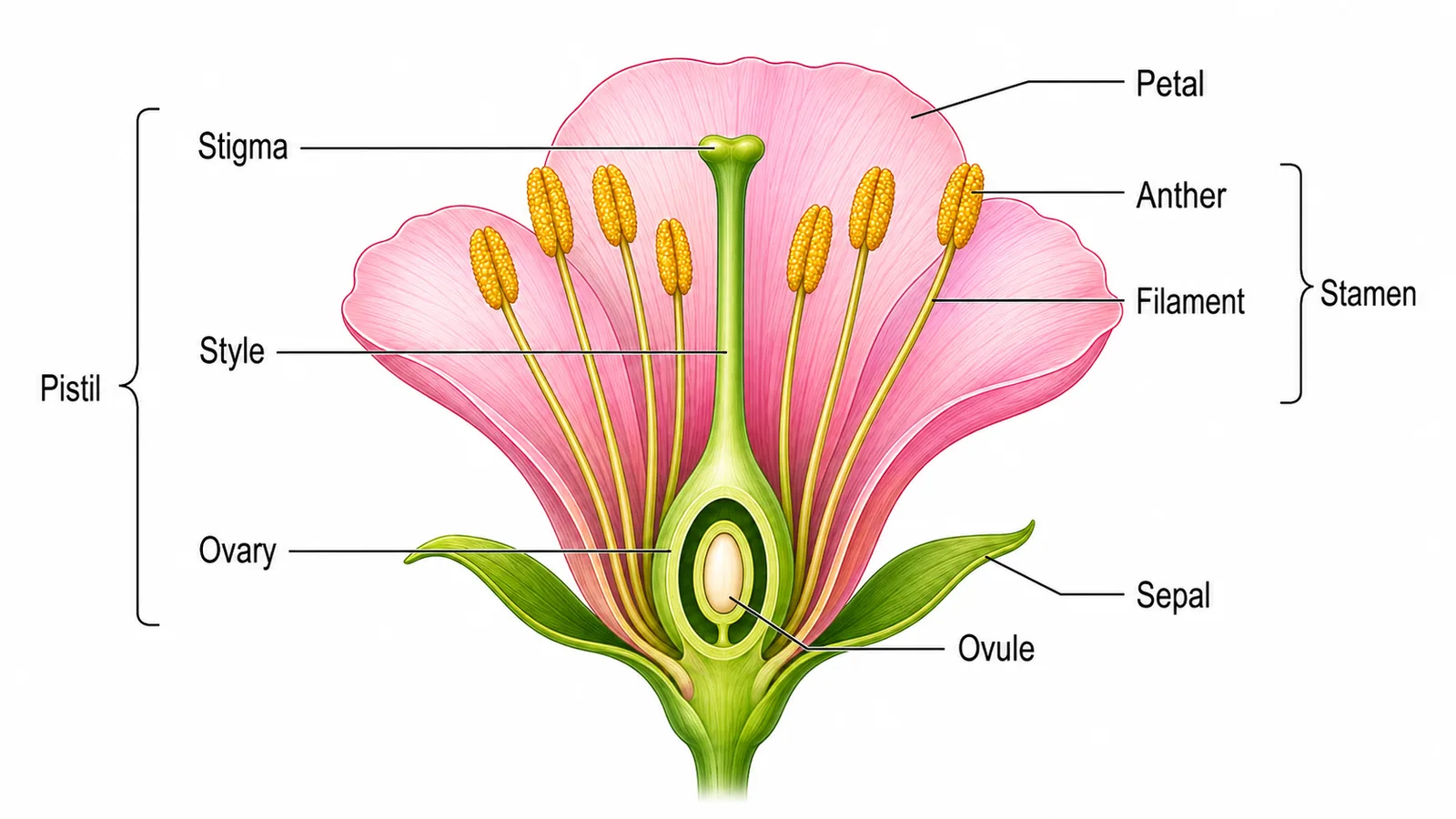
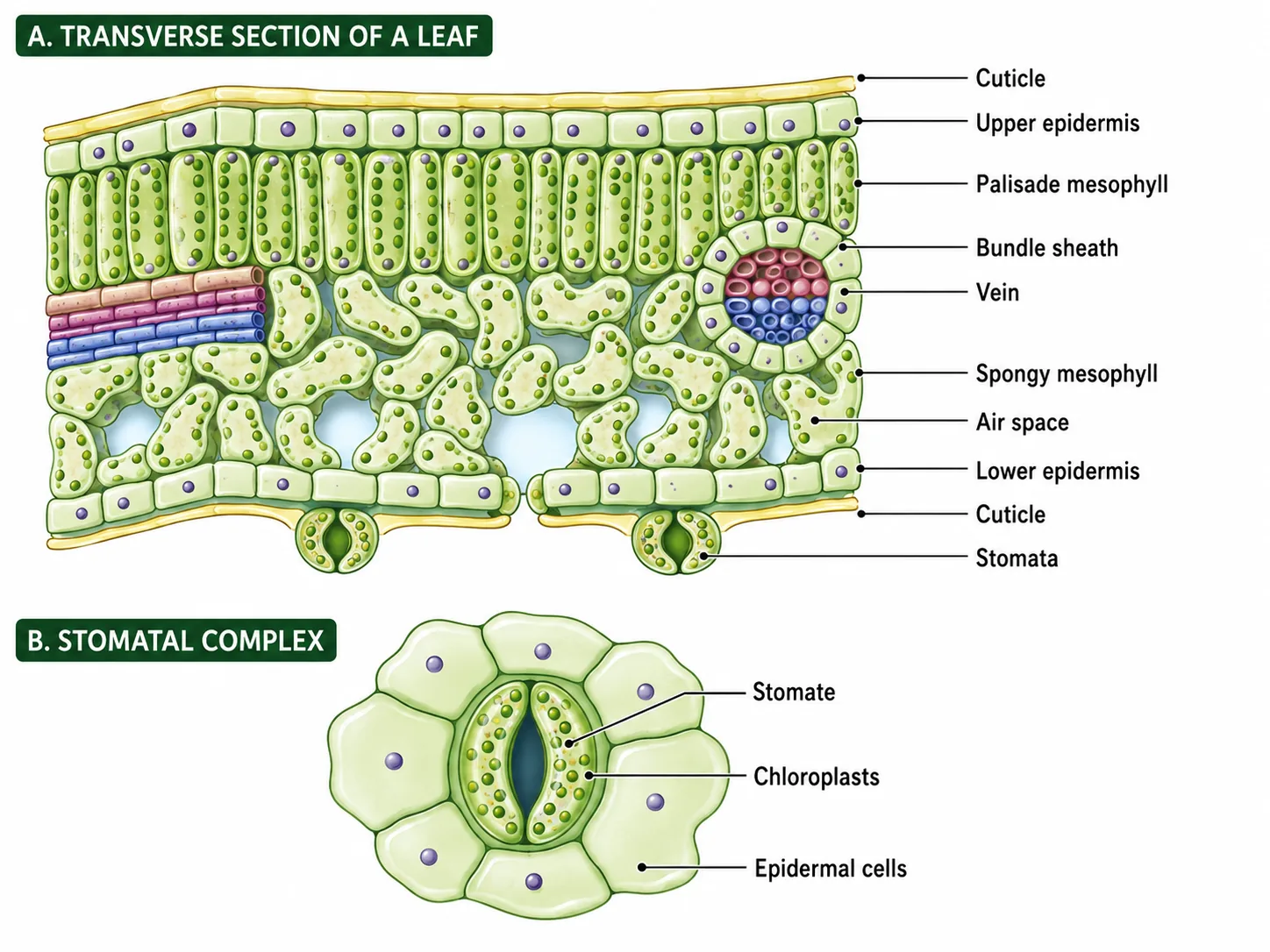
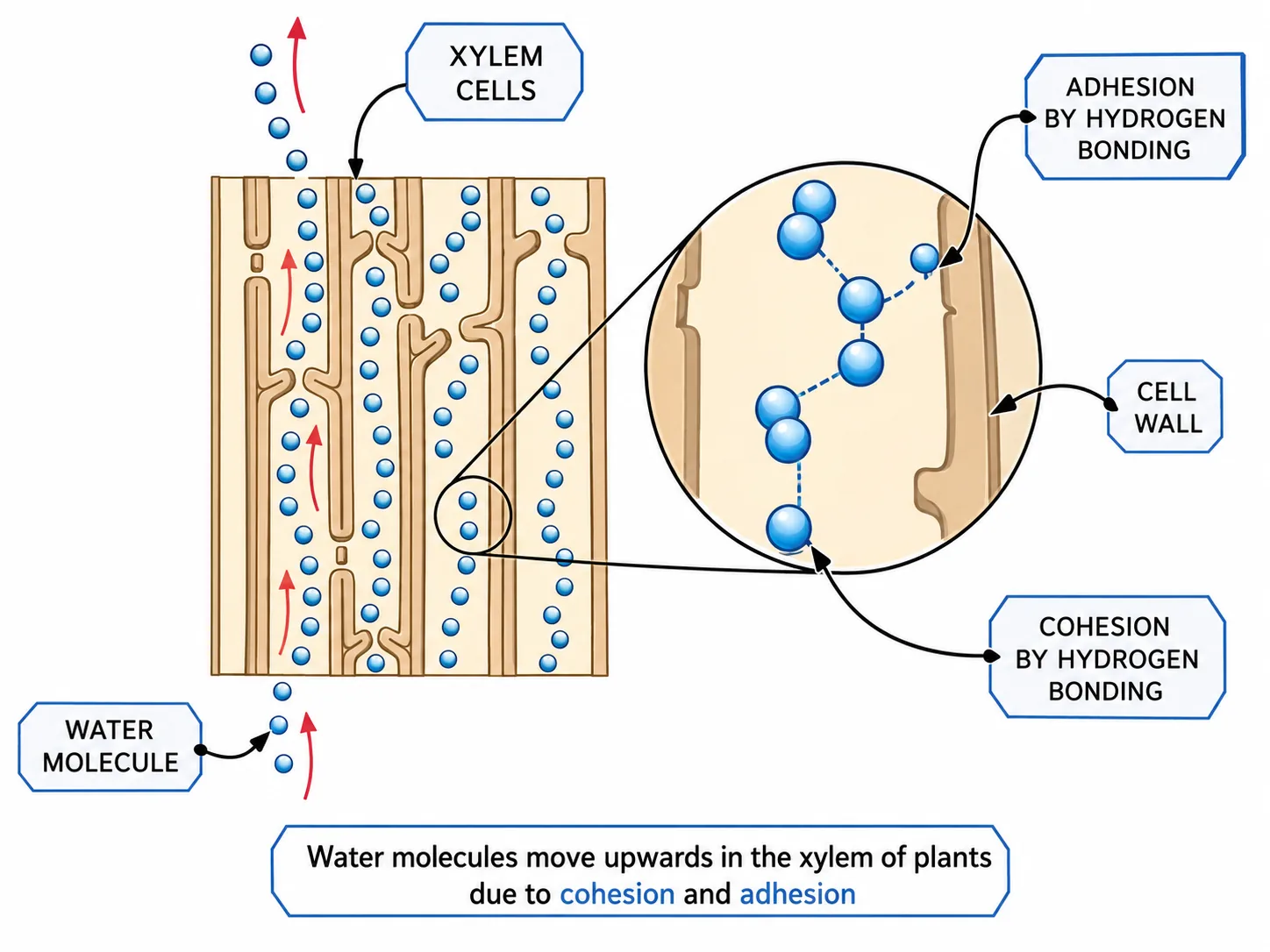
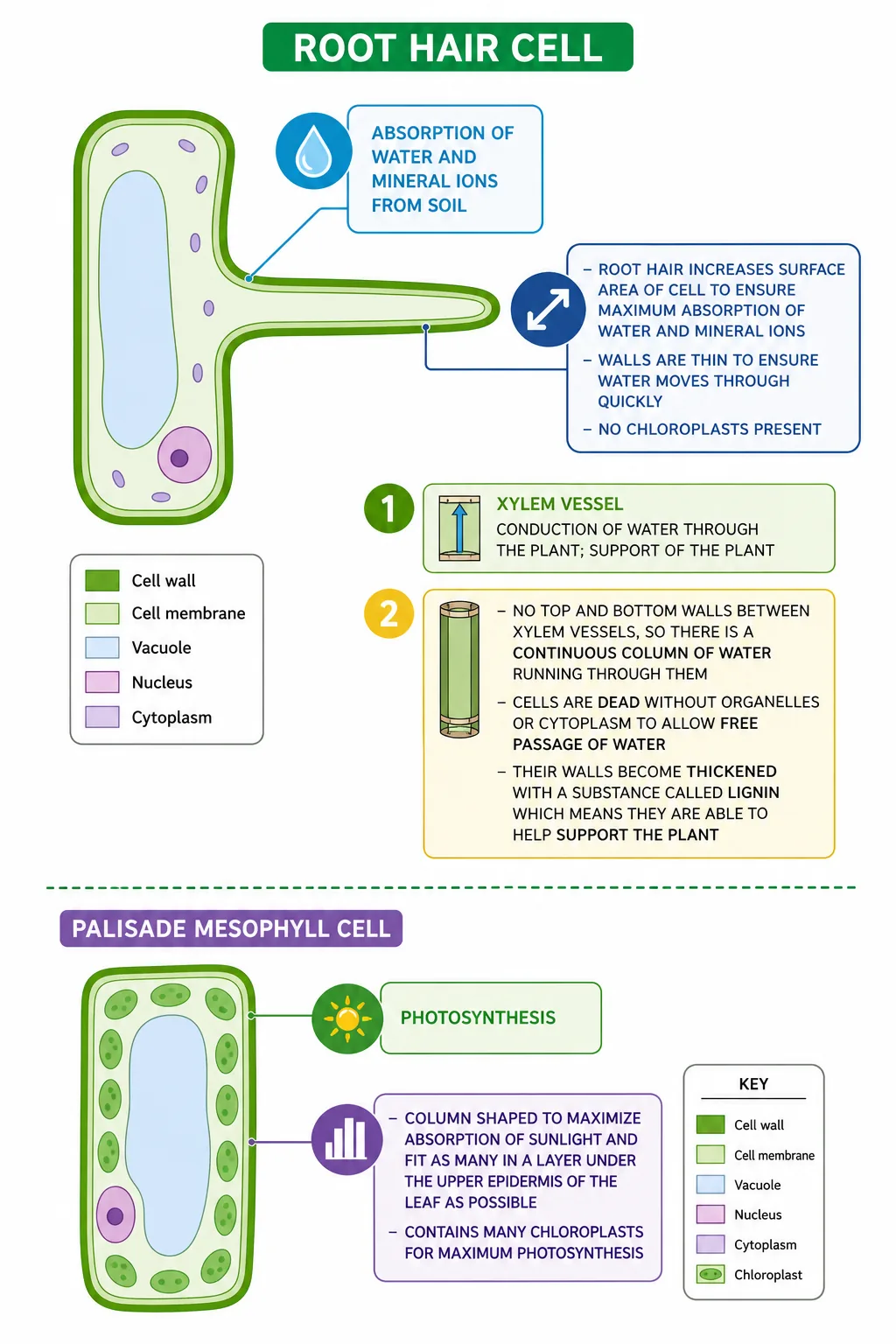
Describe the structure and function of plant tissues and organs.











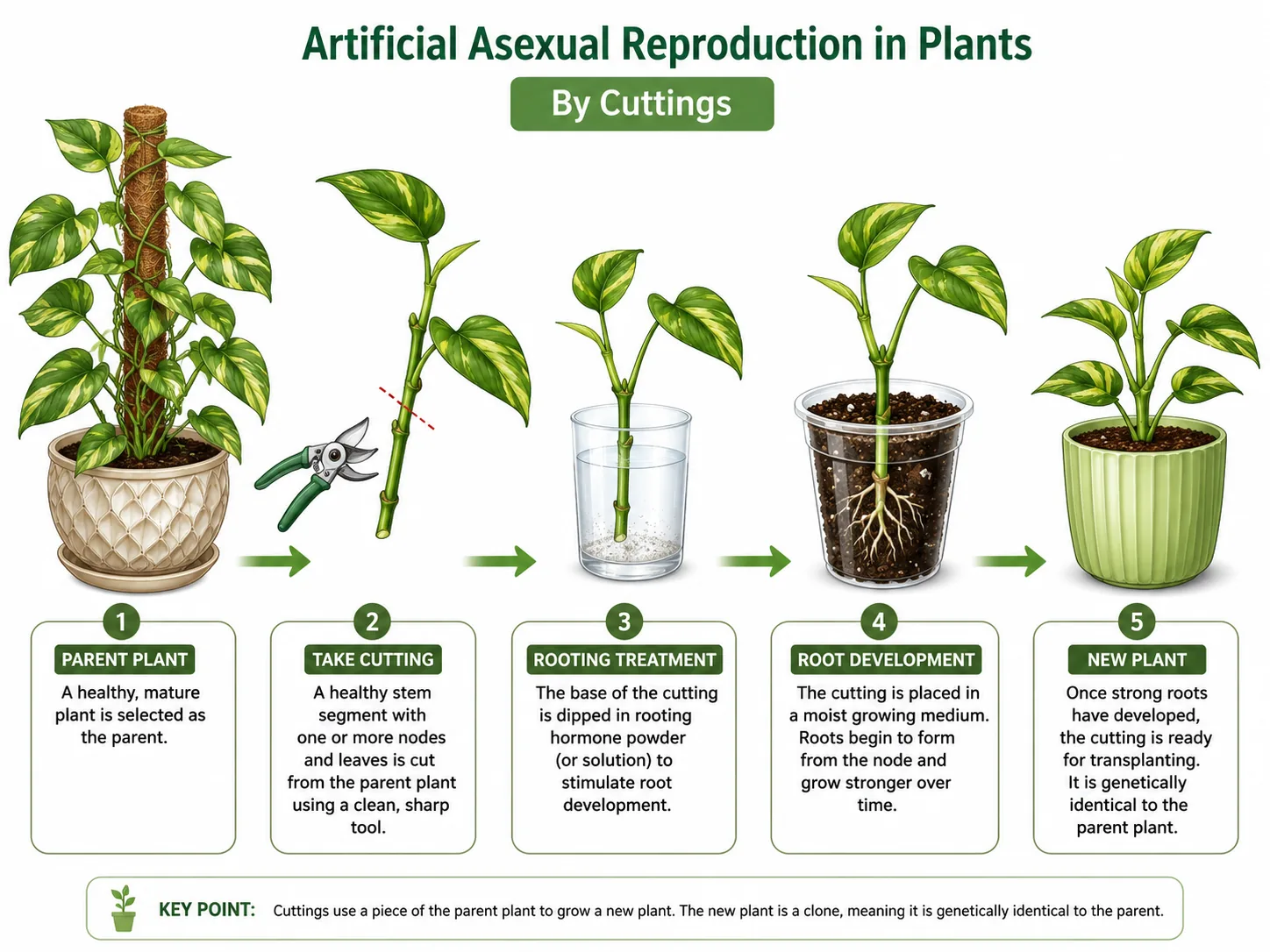
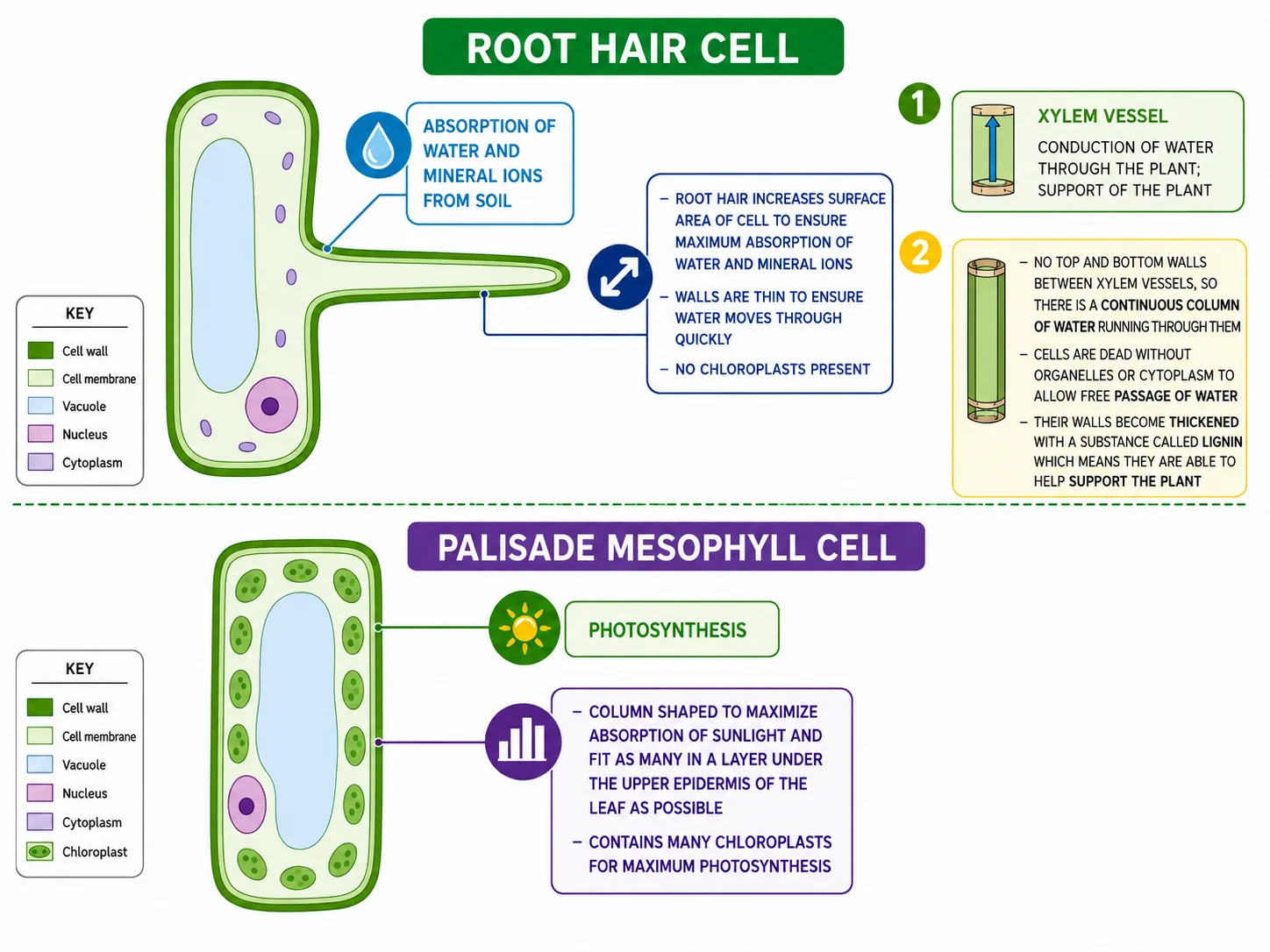
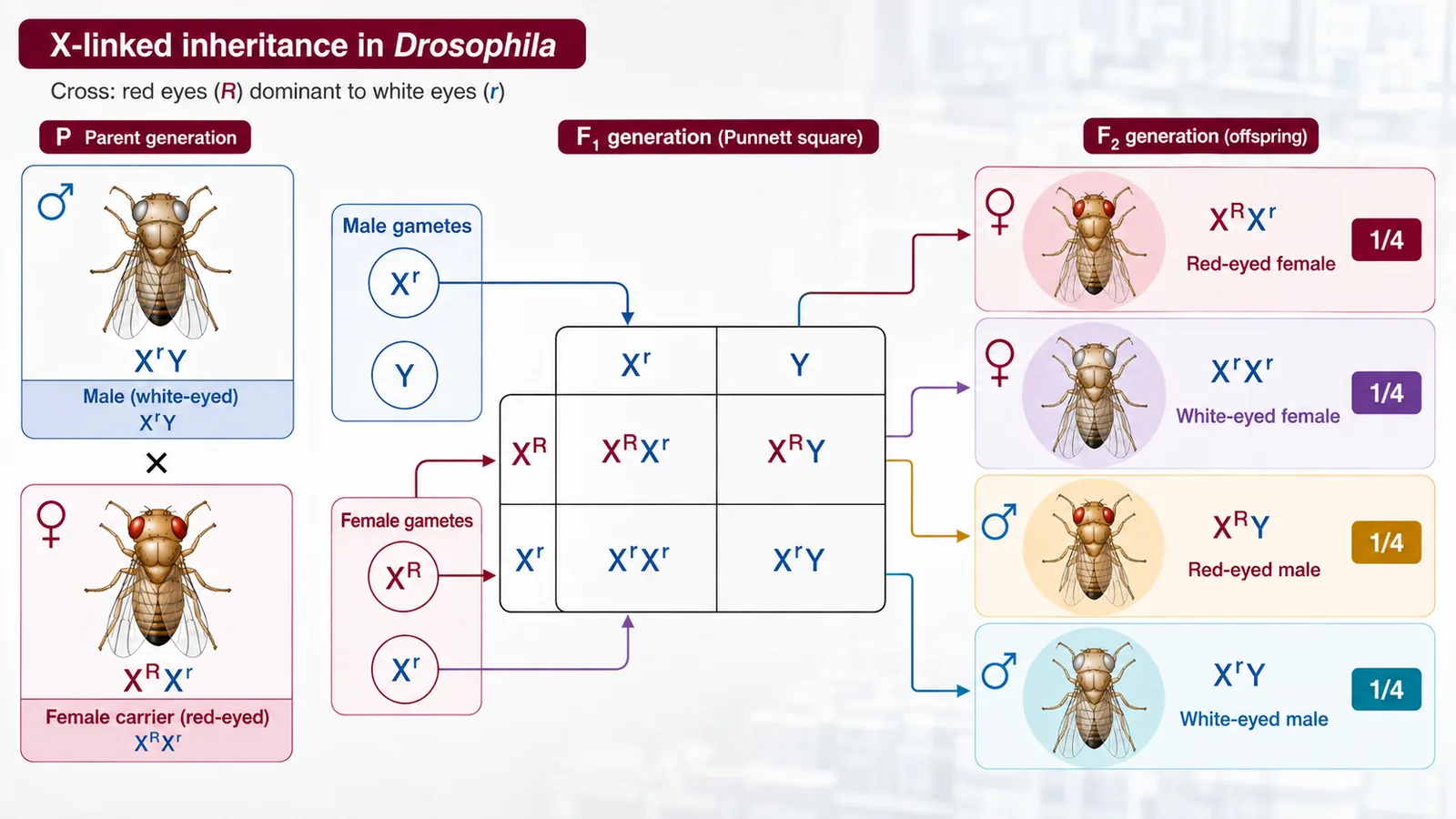
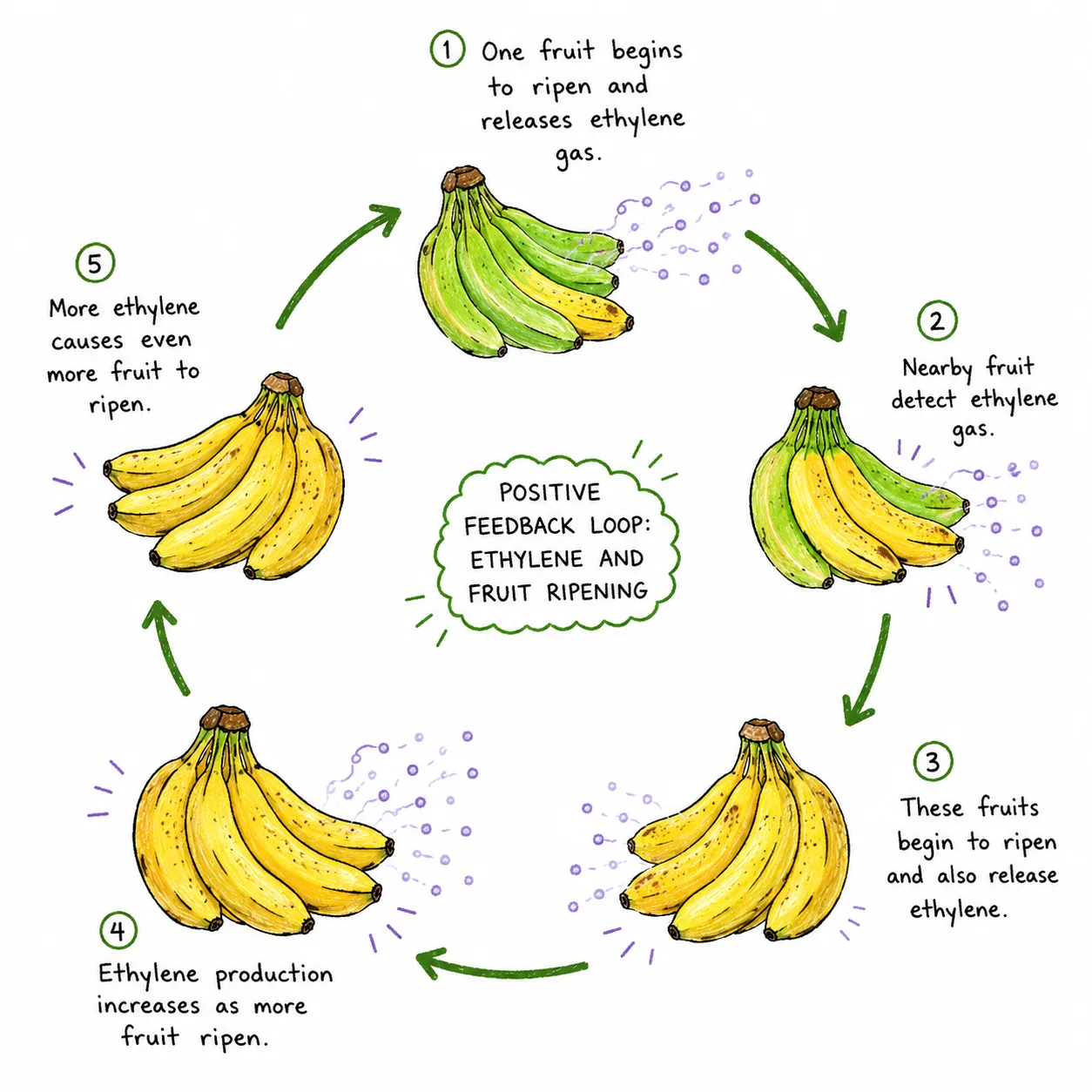

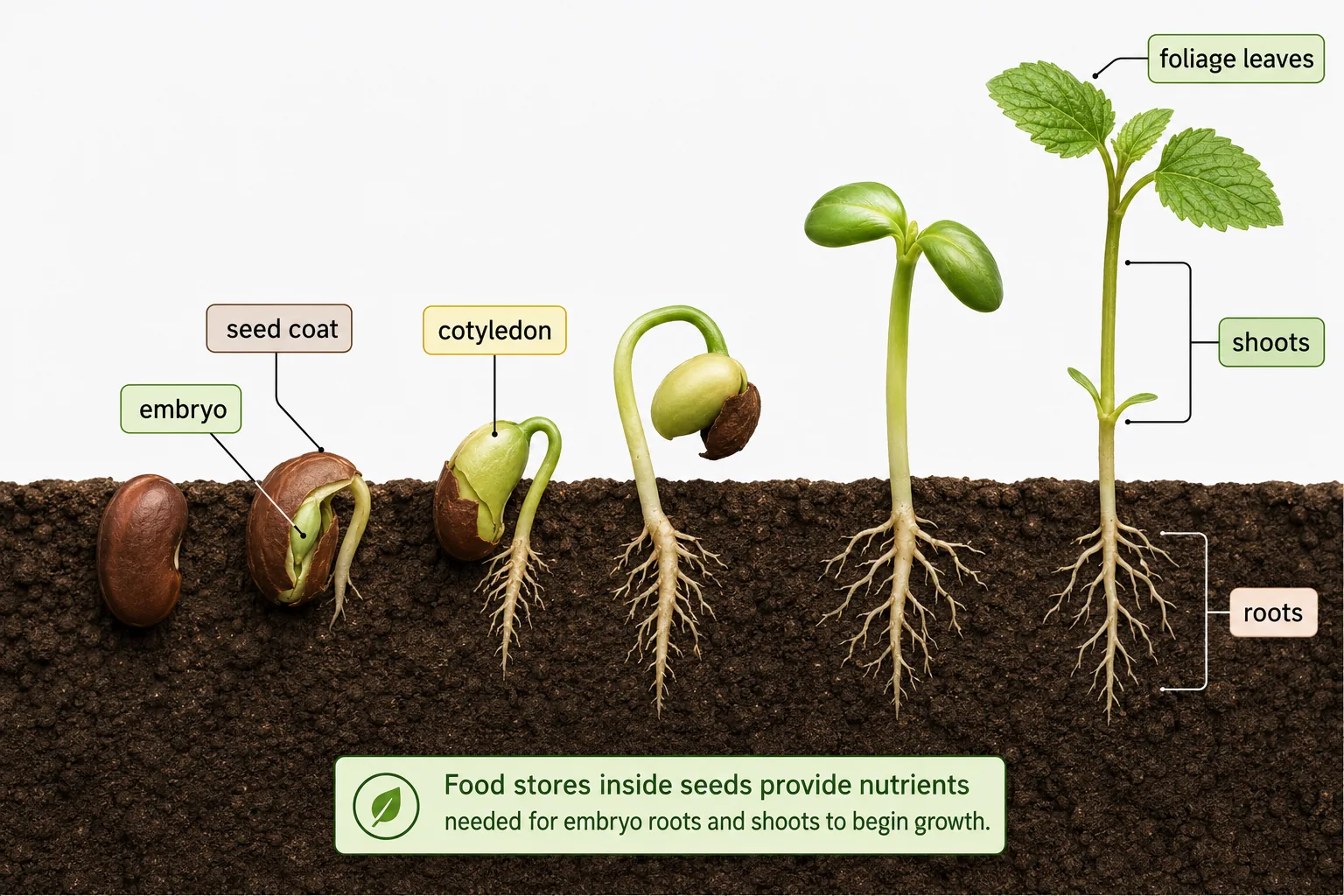

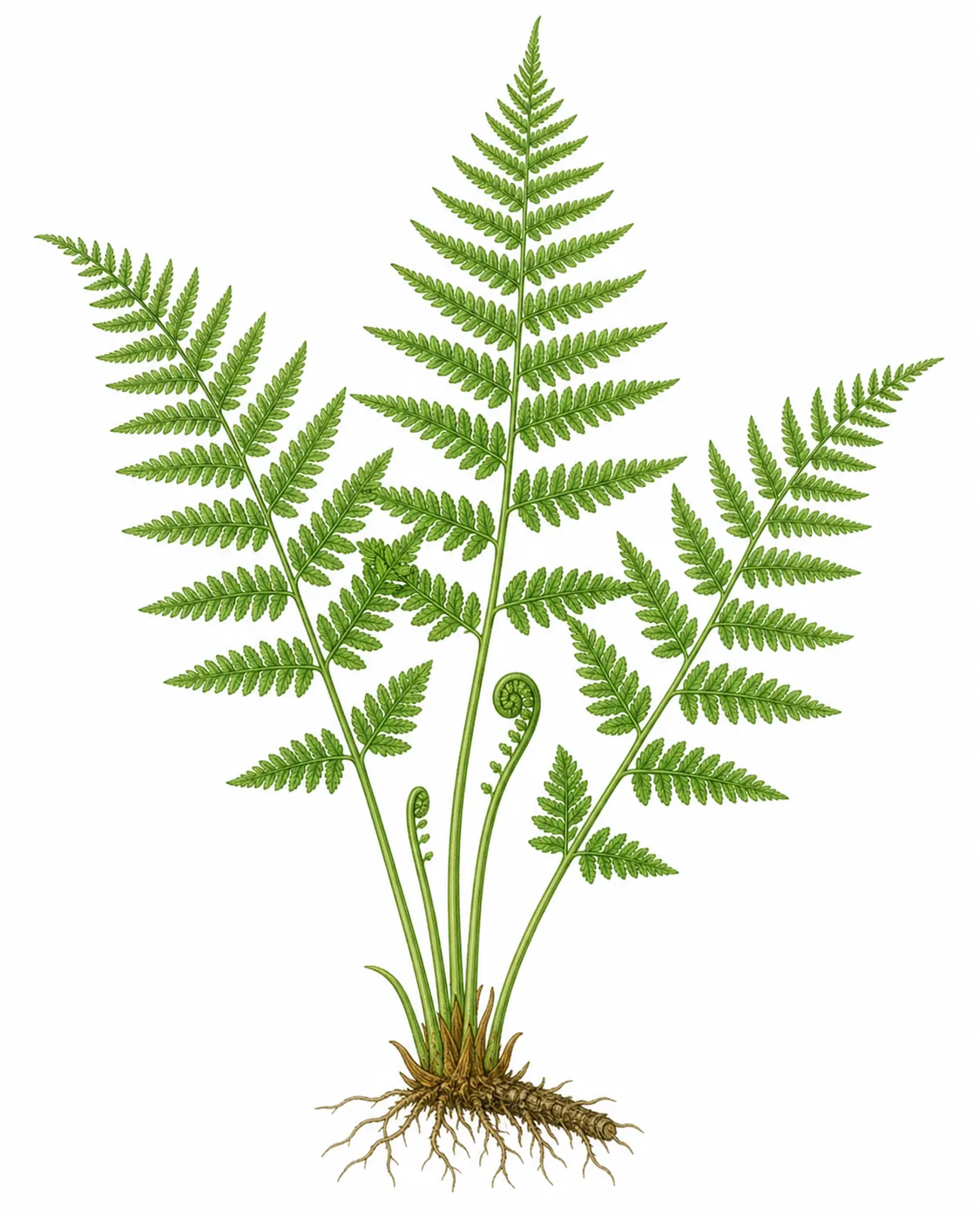 ⤢ Enlarge
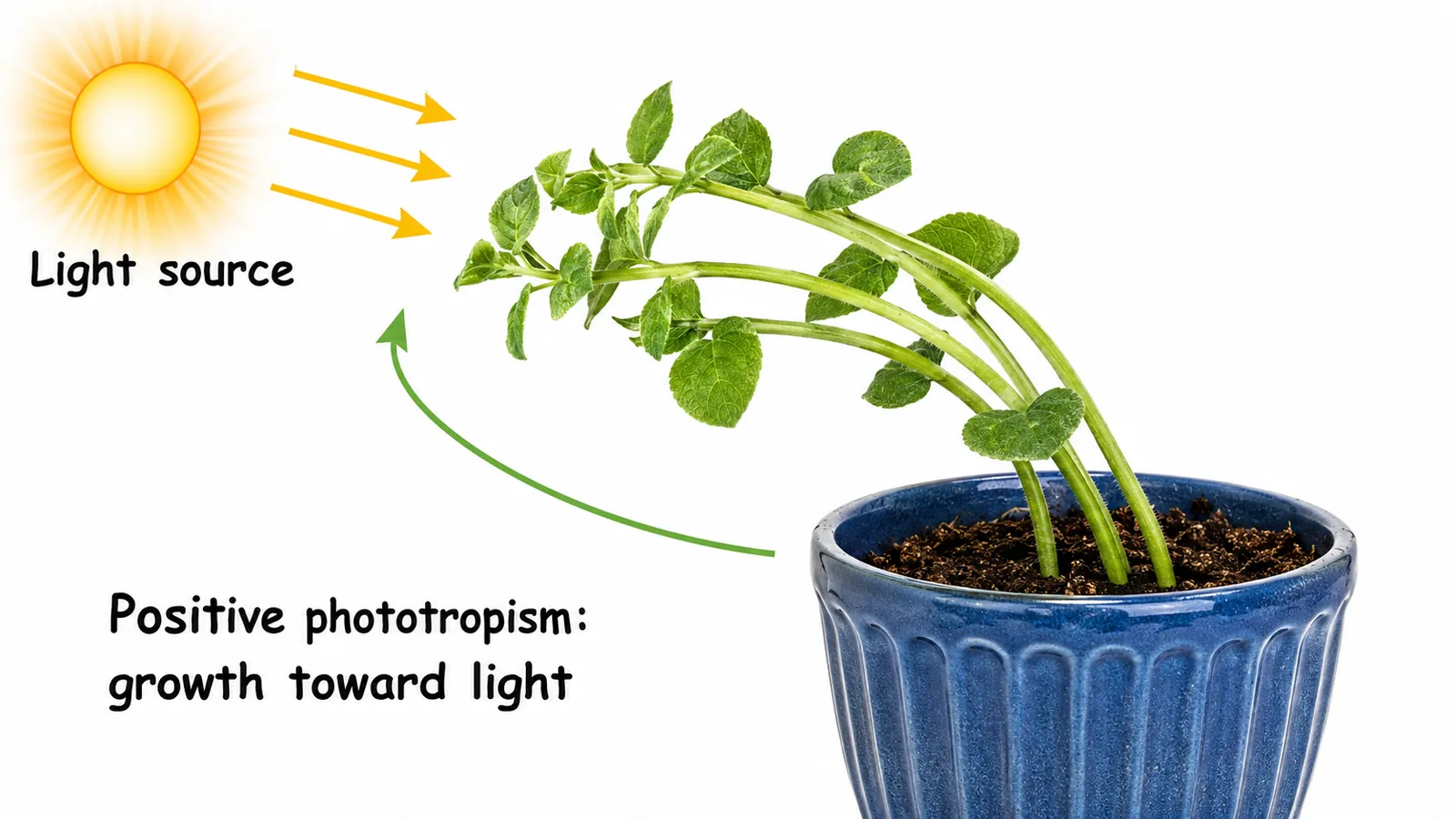
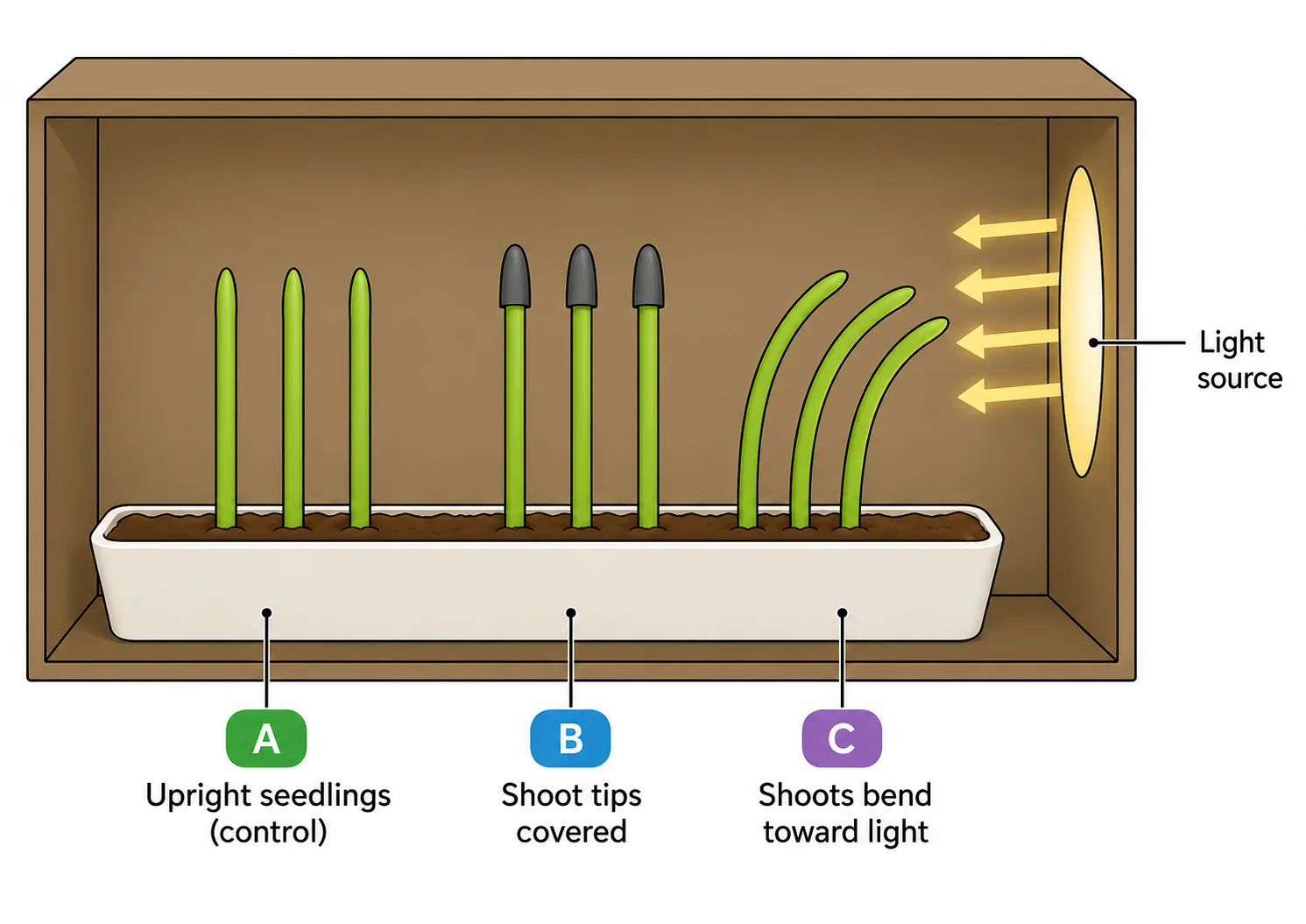
 ⤢ Enlarge
 ⤢ Enlarge
 ⤢ Enlarge
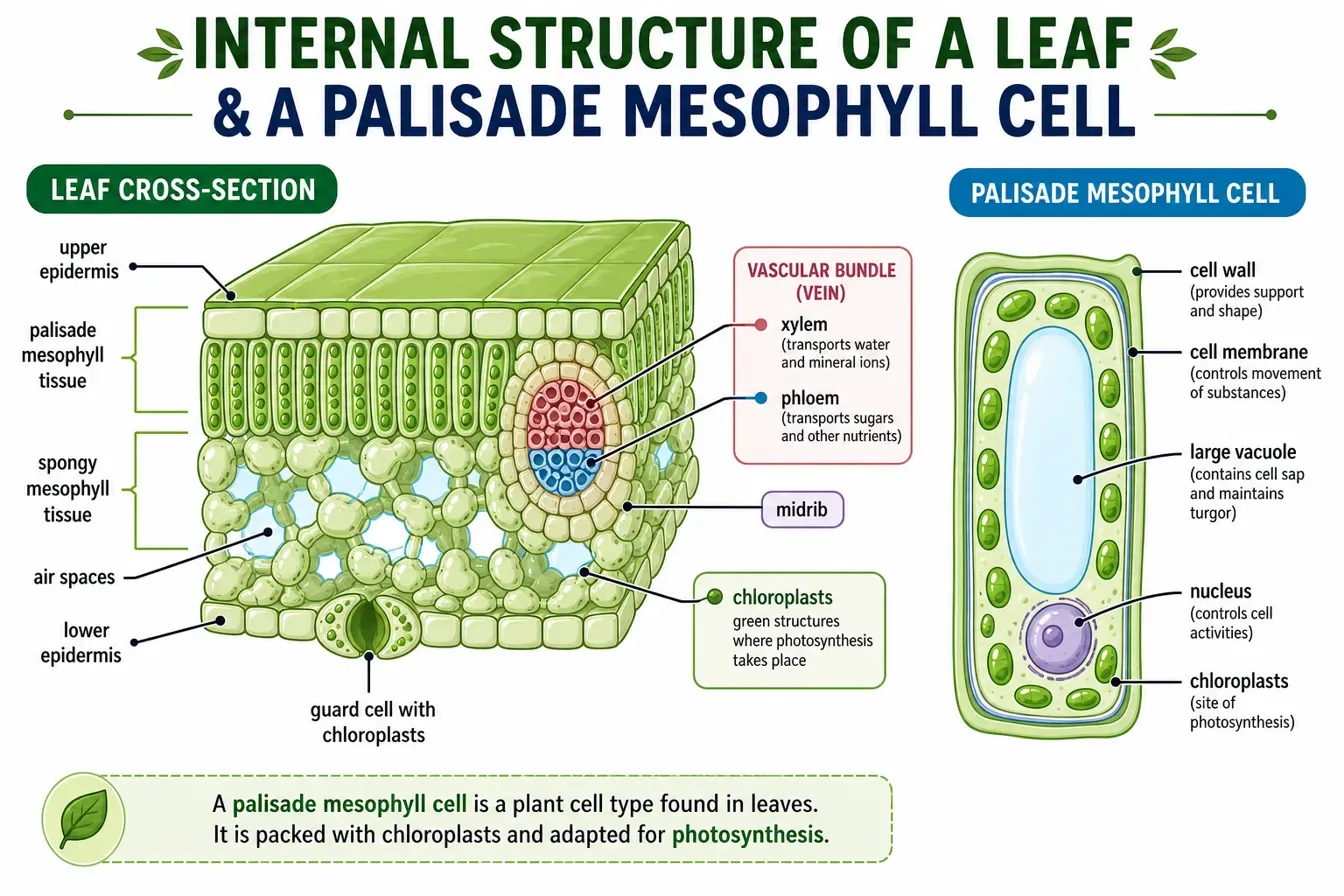
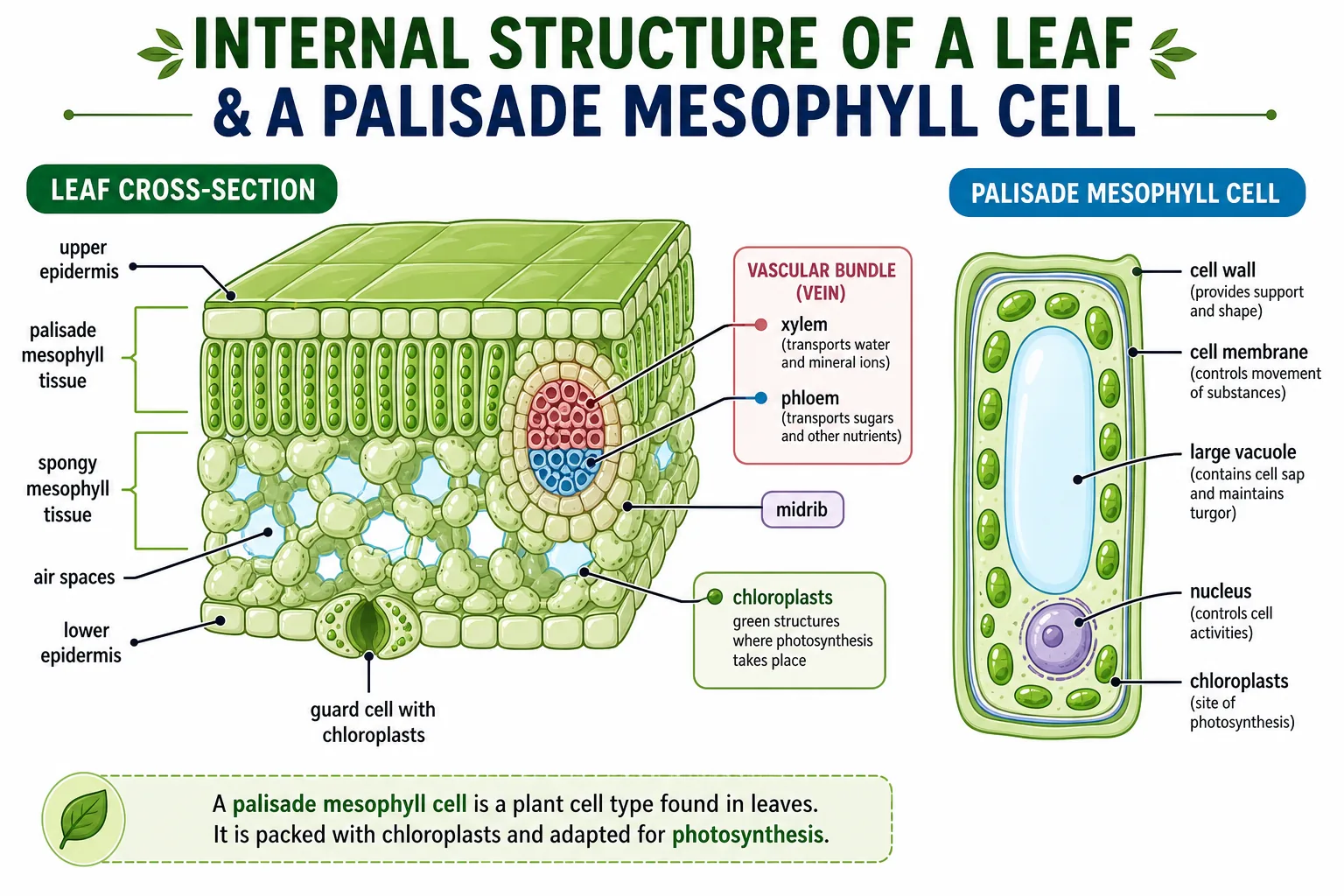
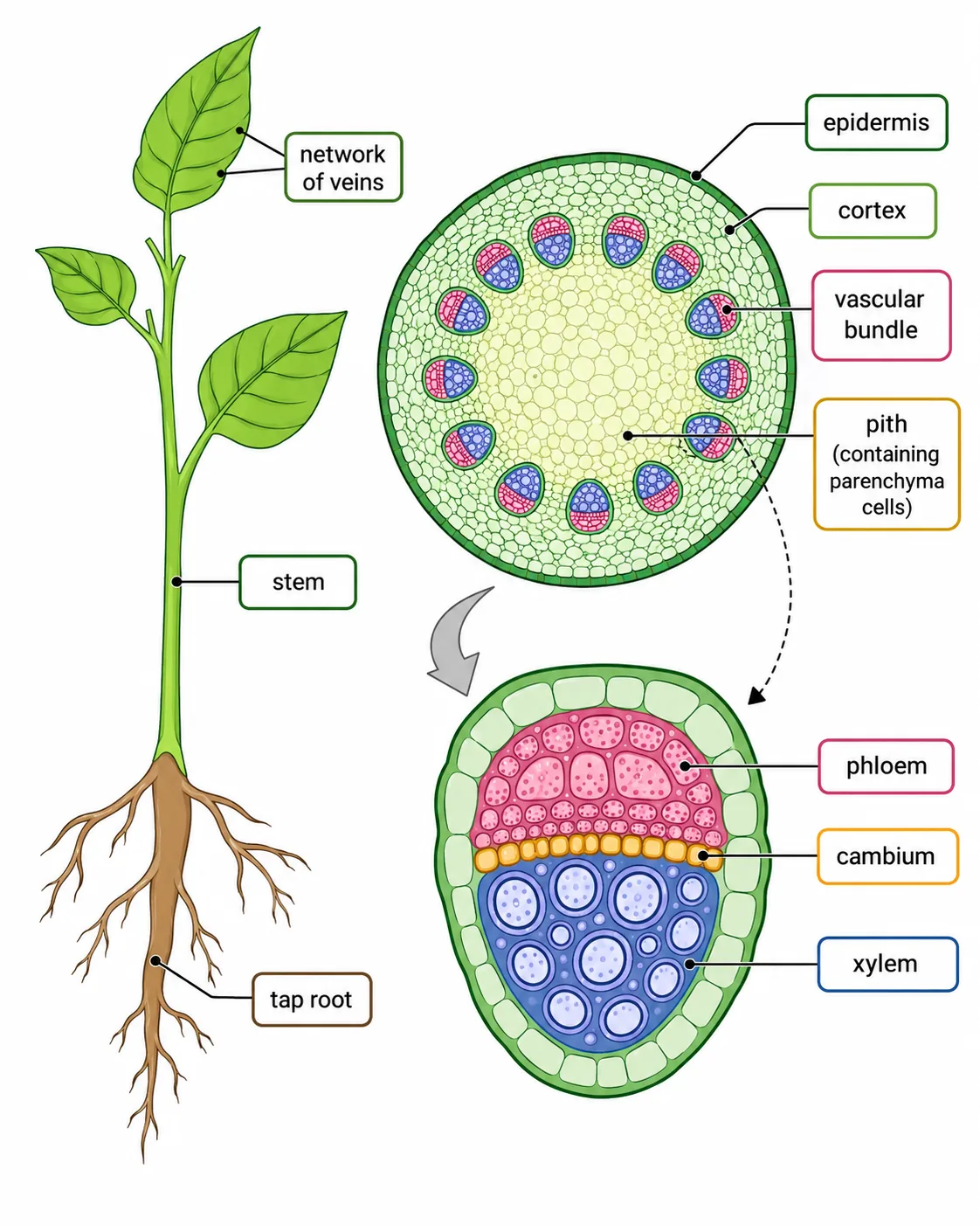
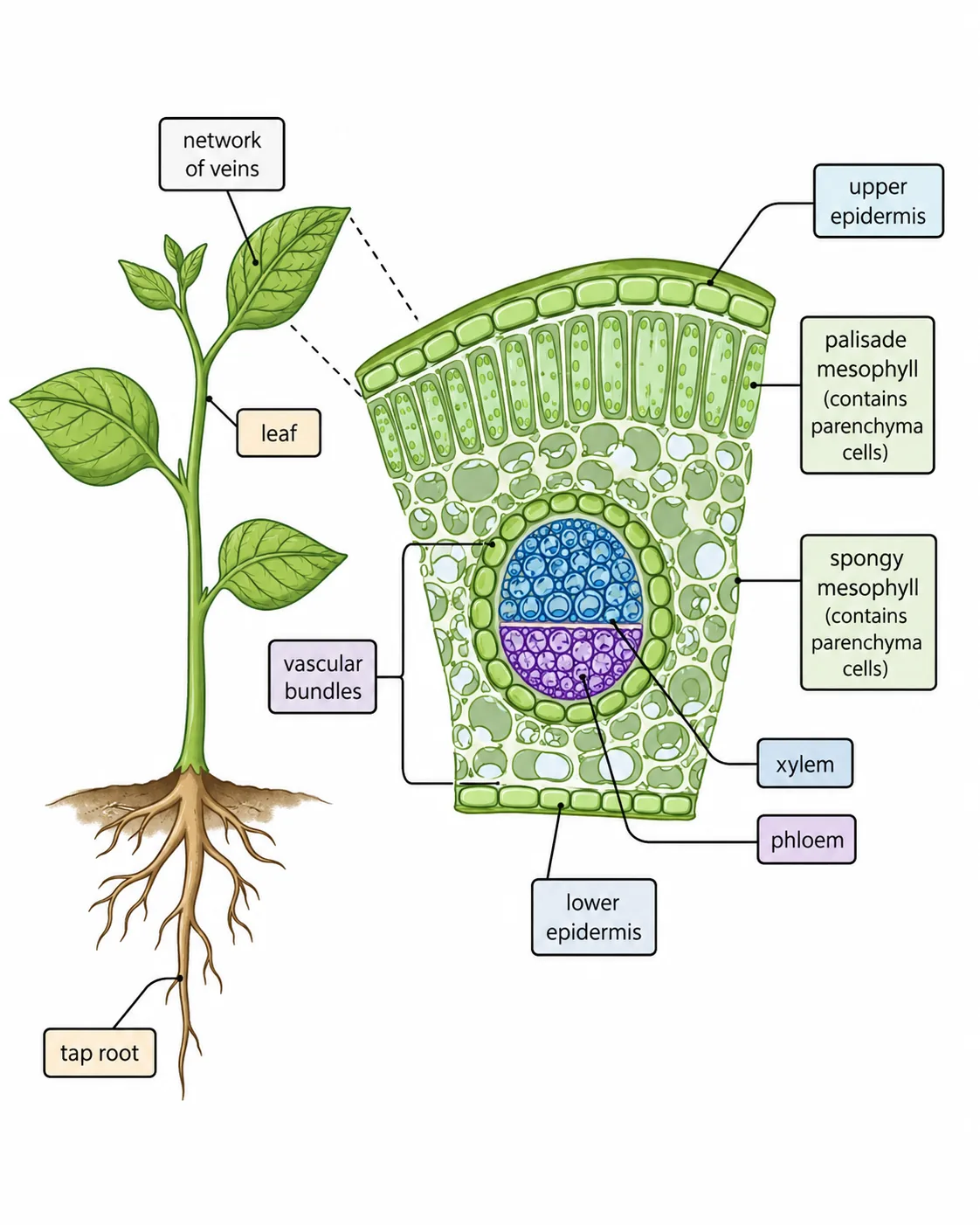
Xylem
Vascular tissue of dead, lignified cells that carries water and minerals upward from roots.
Phloem
Vascular tissue of living sieve-tube cells that transports sugars from sources to sinks.
Stomata
Pores in the leaf epidermis, opened and closed by guard cells, for gas exchange.
Transpiration
Evaporation of water from leaves, mainly through stomata, that pulls water up the xylem.
Meristem
A region of undifferentiated, dividing cells that allows plant growth.
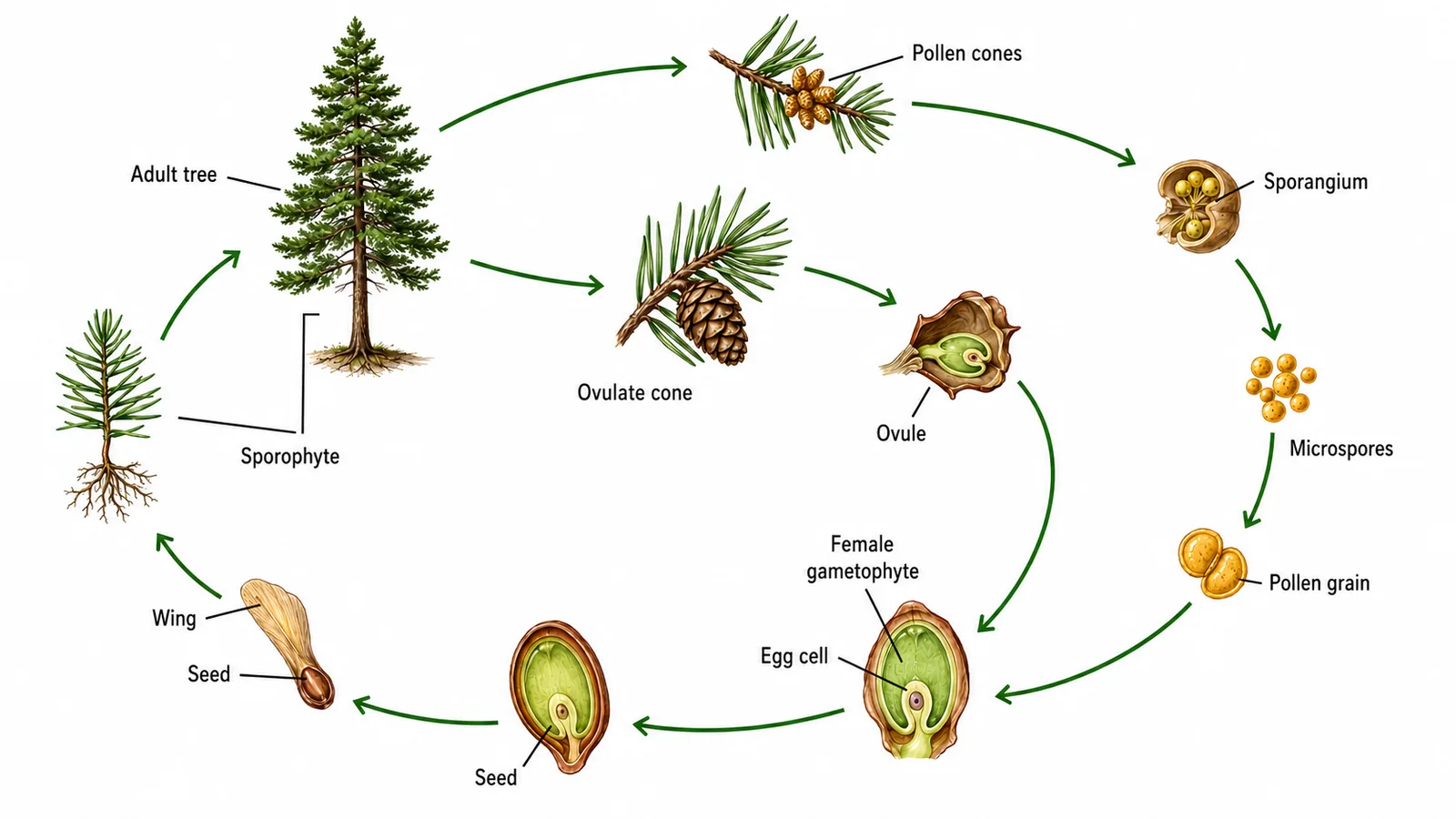
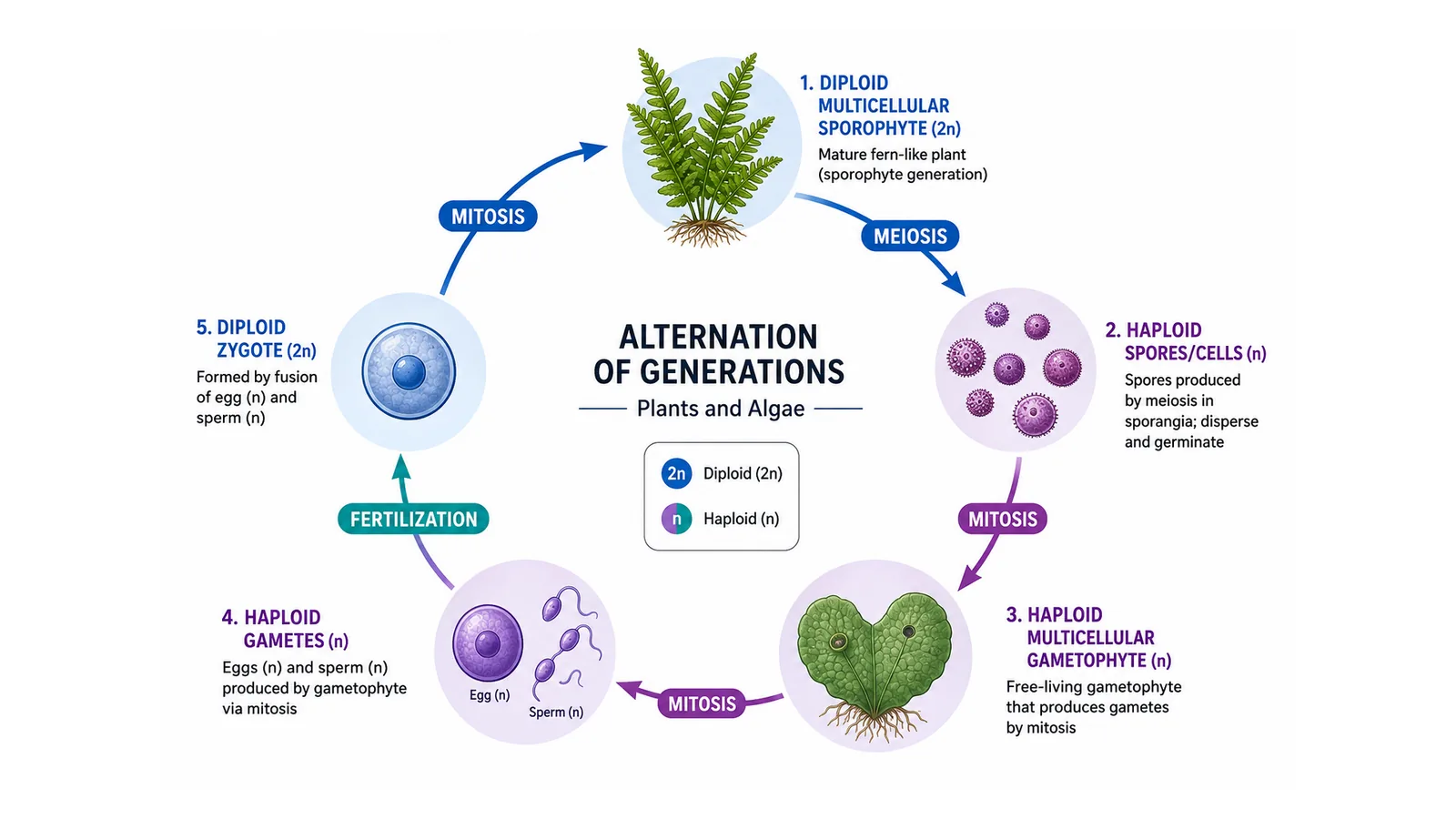
Alternation of generations
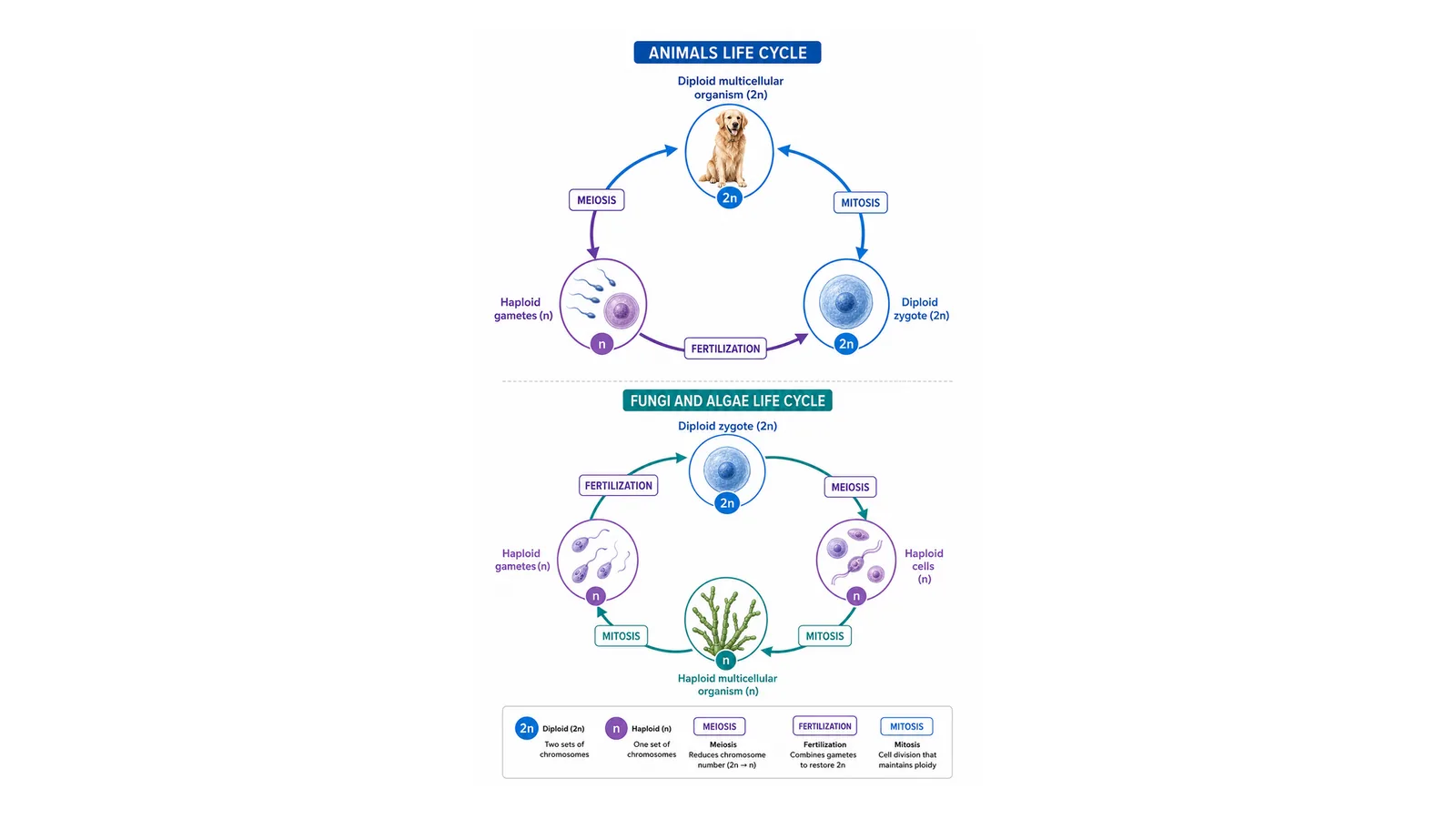
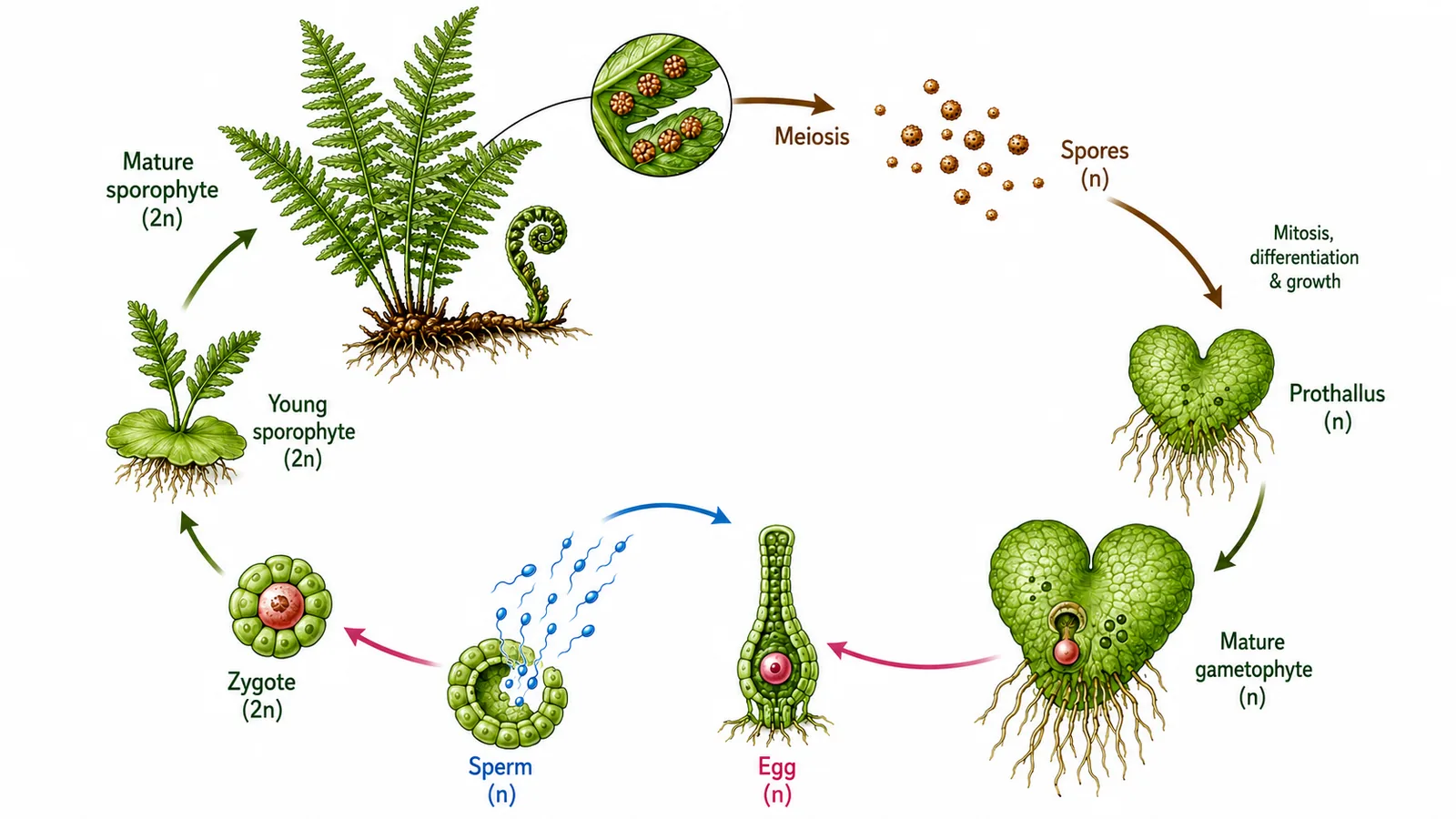
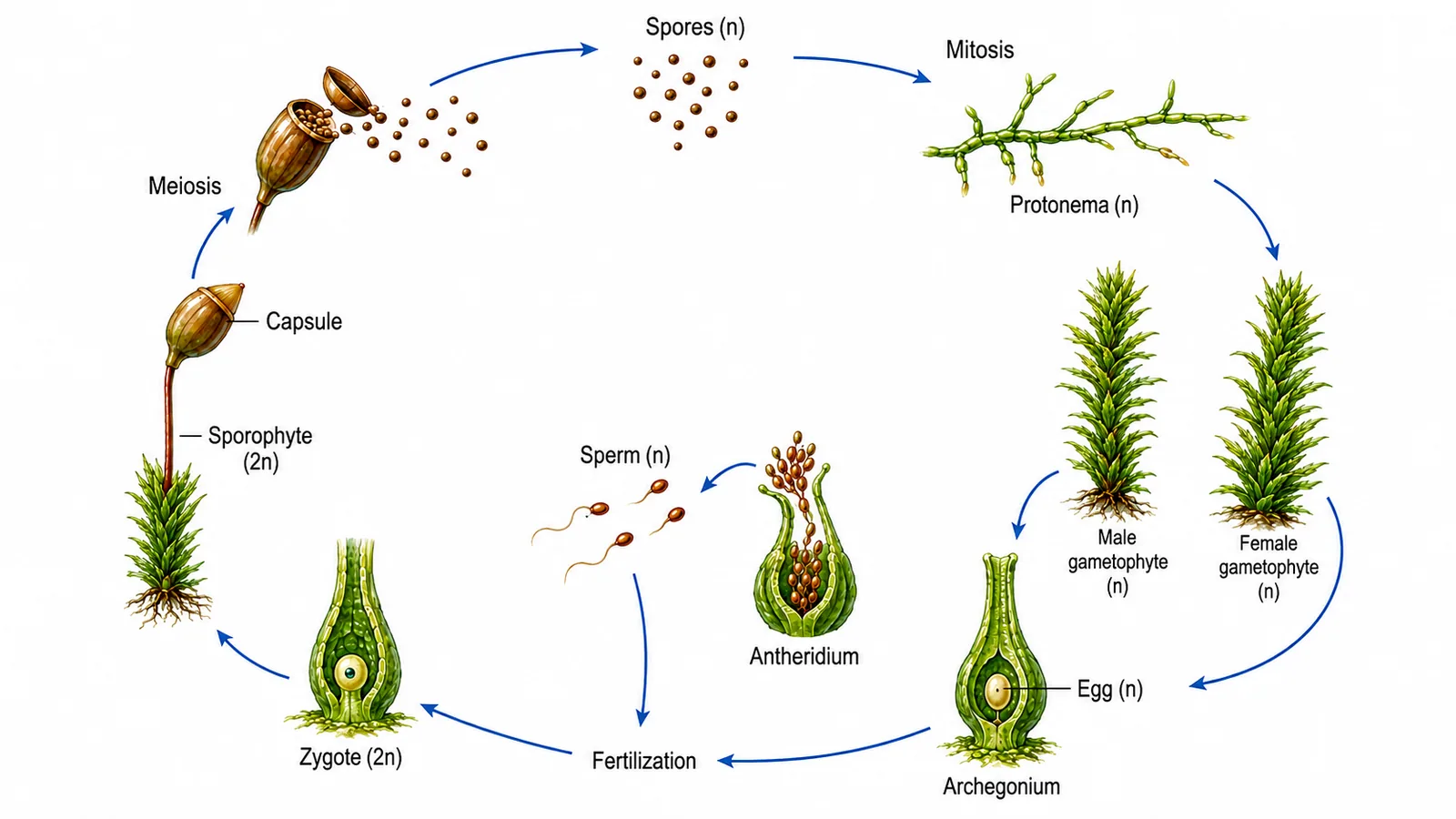
A life cycle alternating between a diploid sporophyte and a haploid gametophyte.
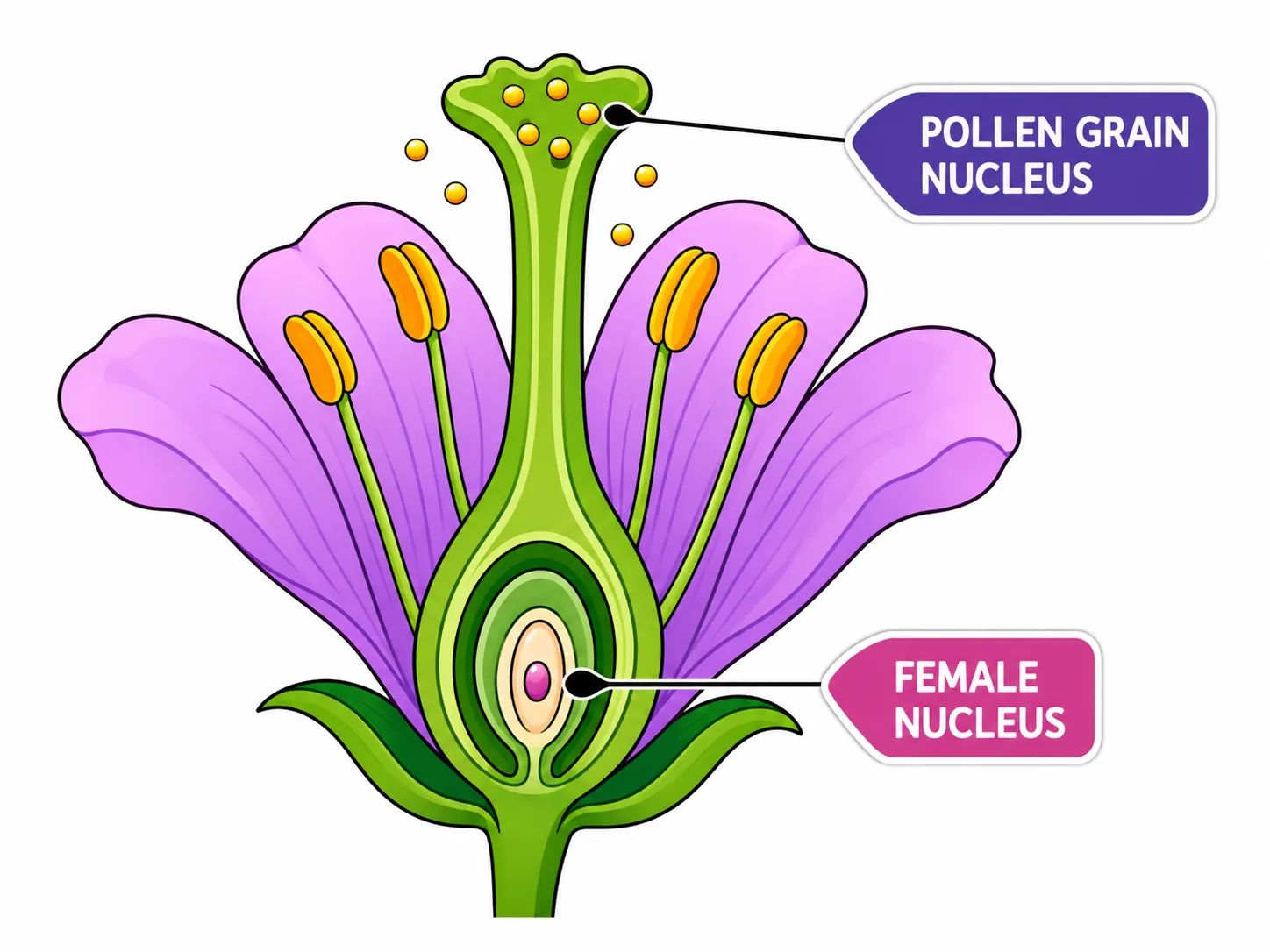
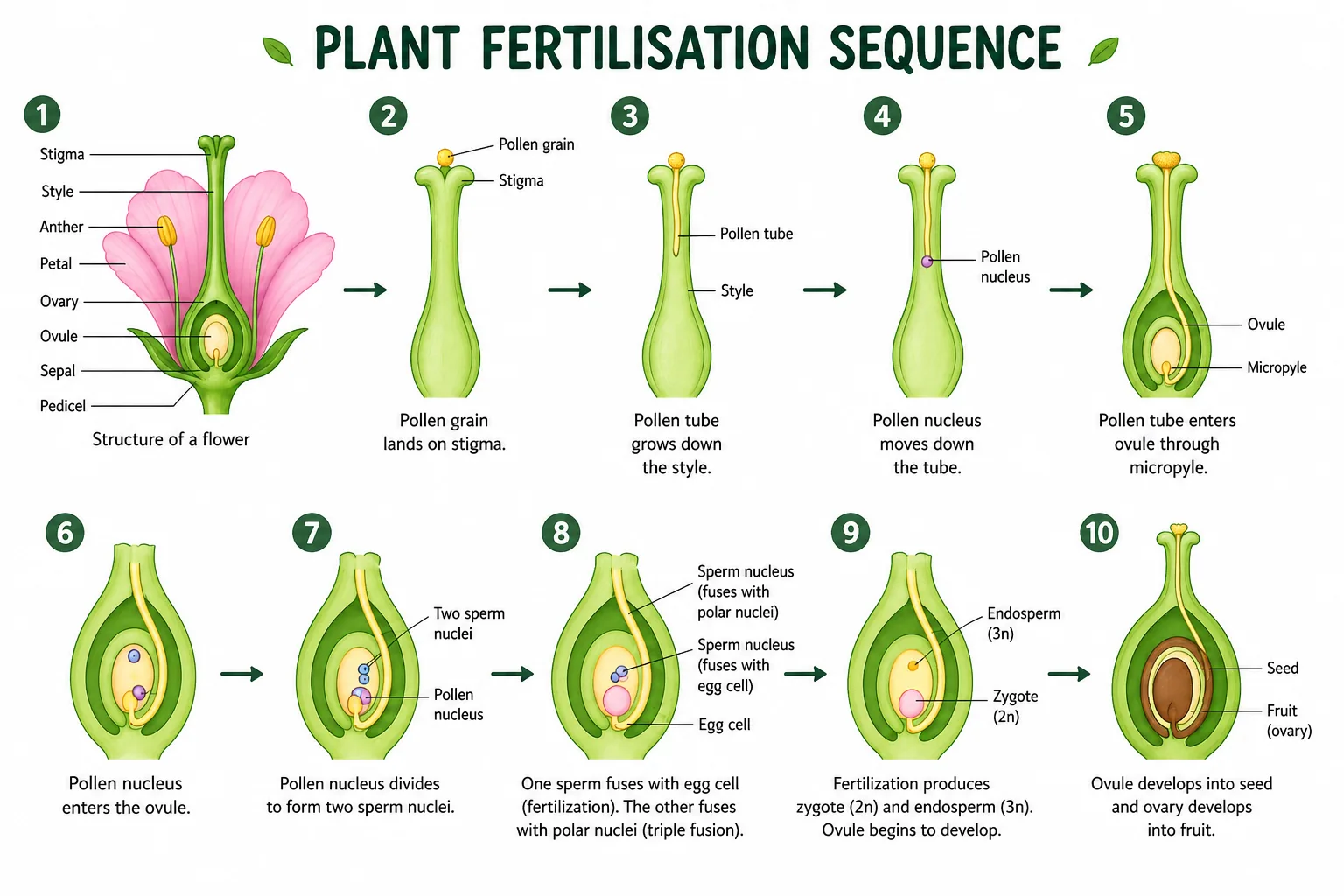
Double fertilization
In angiosperms, one sperm fertilizes the egg (zygote) and another fuses with two polar nuclei (triploid endosperm).
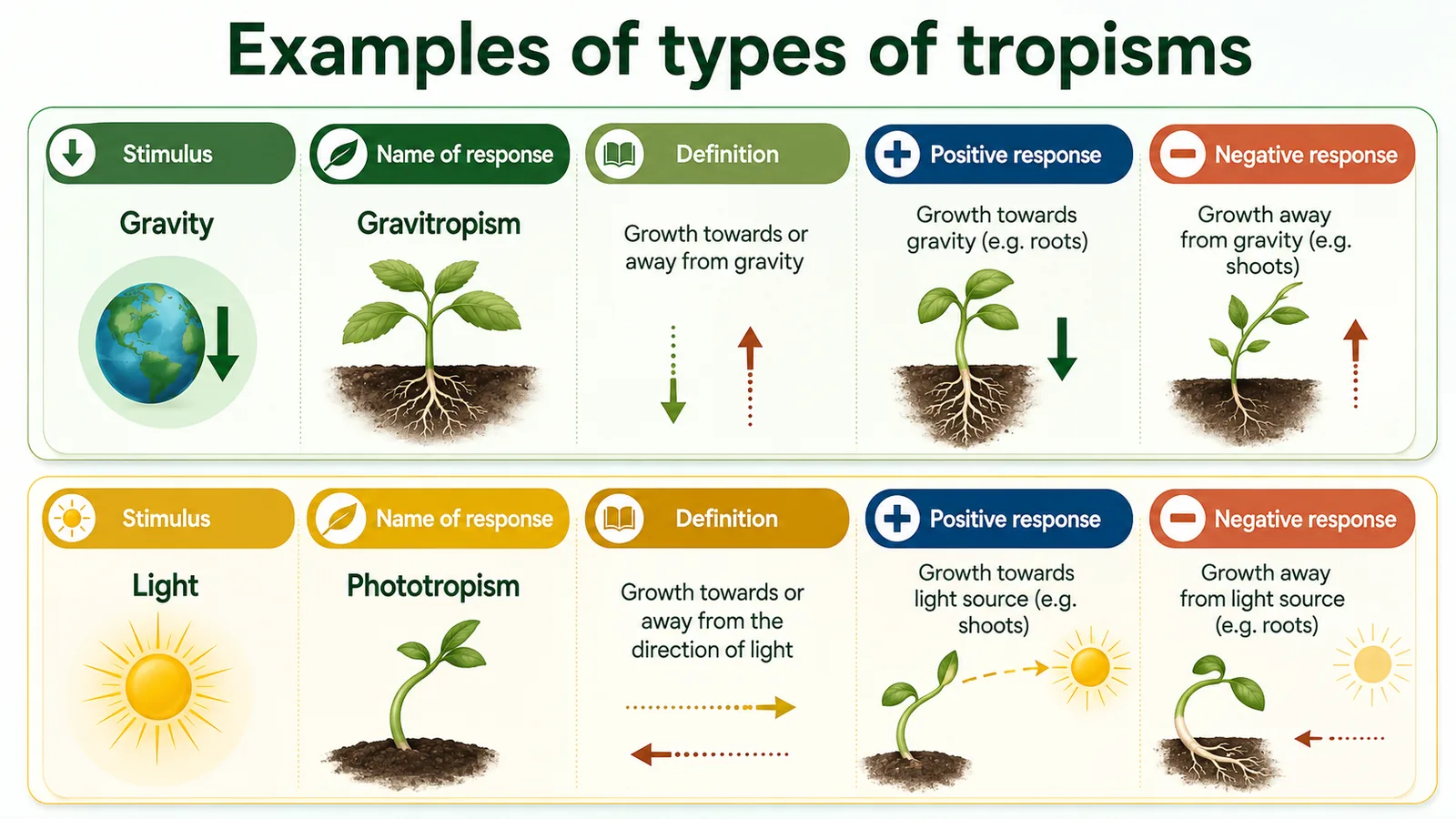
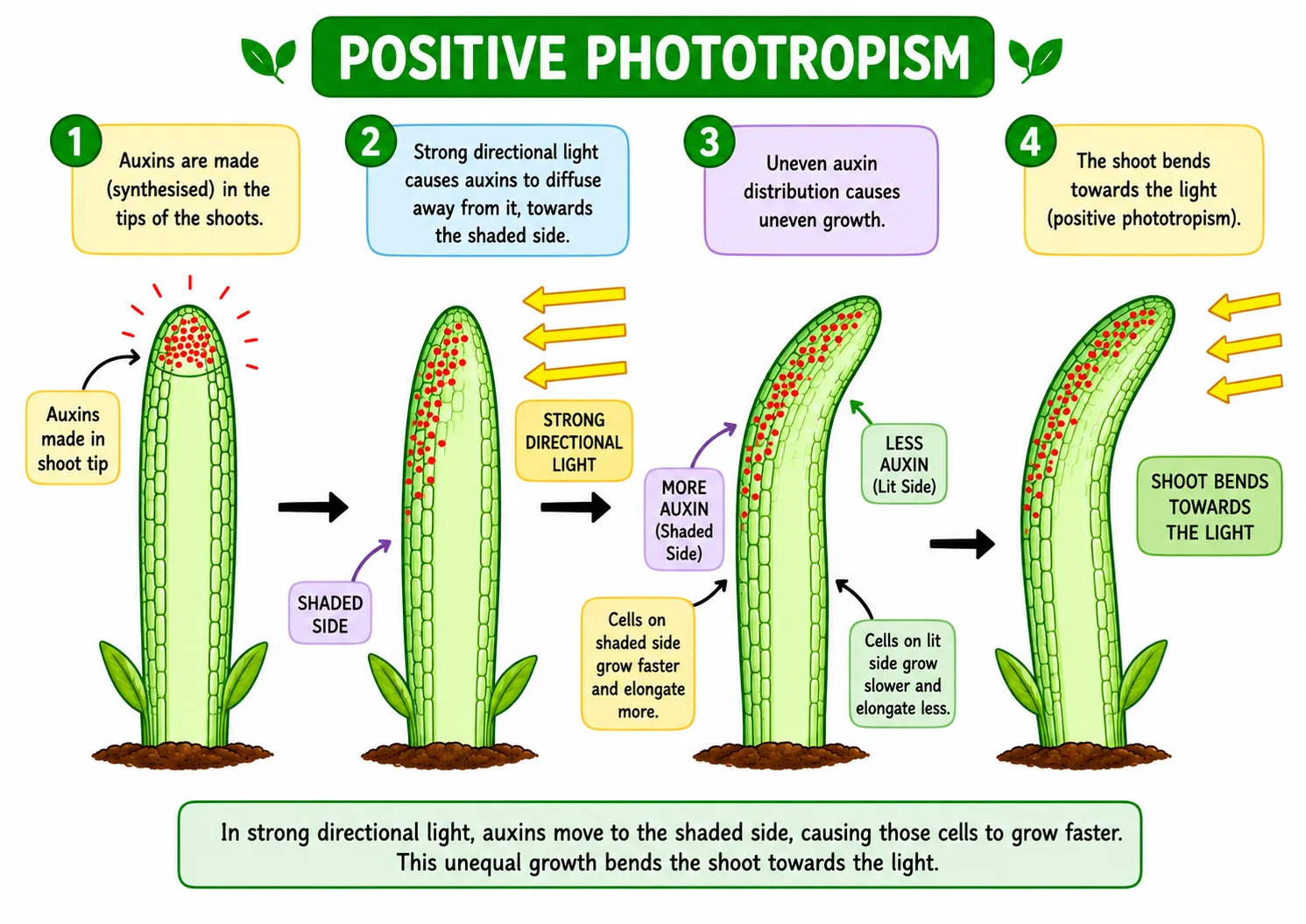
Auxin
A plant hormone that promotes cell elongation and mediates phototropism and apical dominance.
Tropism
A growth response toward or away from a directional stimulus.
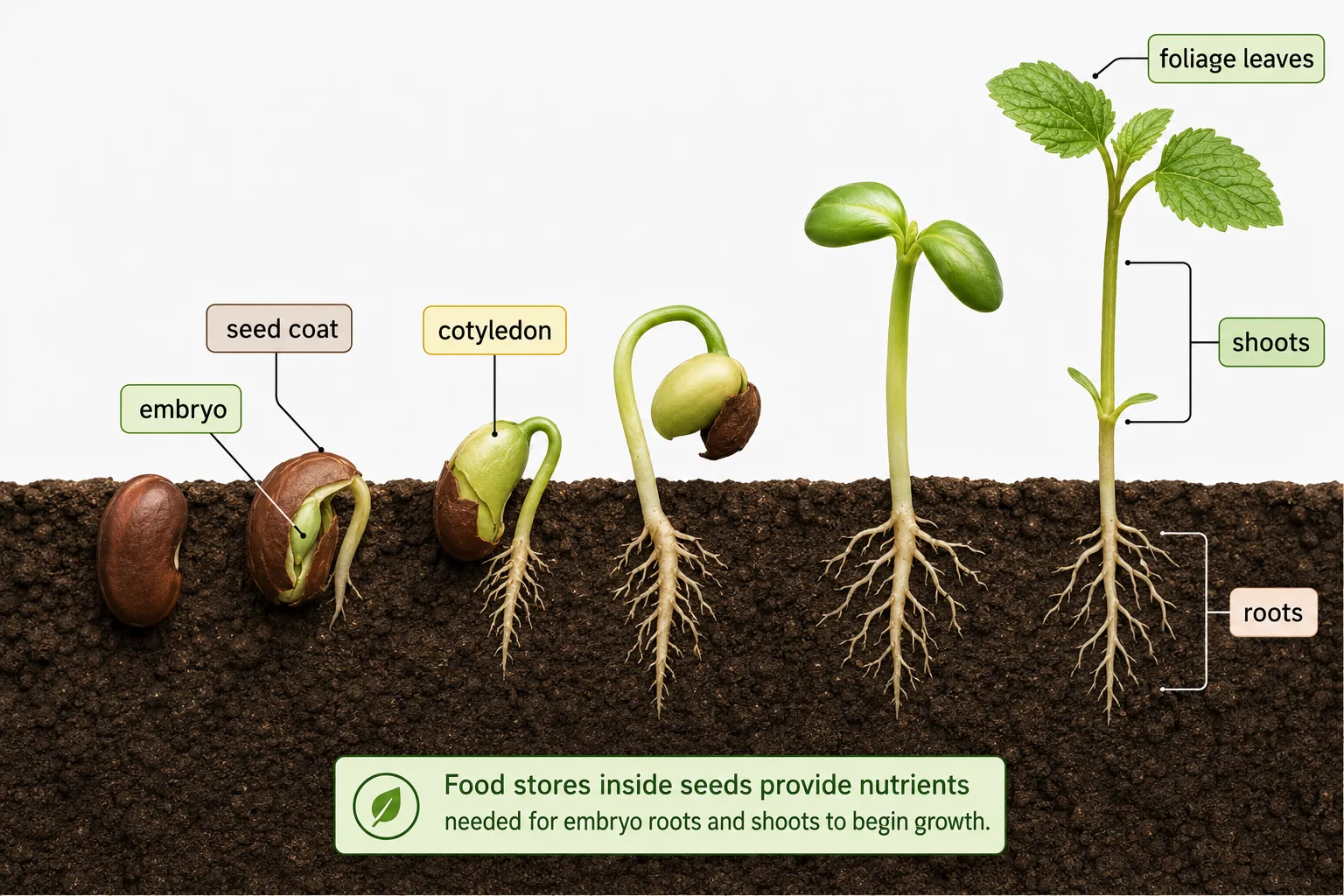
Cotyledon
A seed leaf that stores or absorbs food for the embryo.
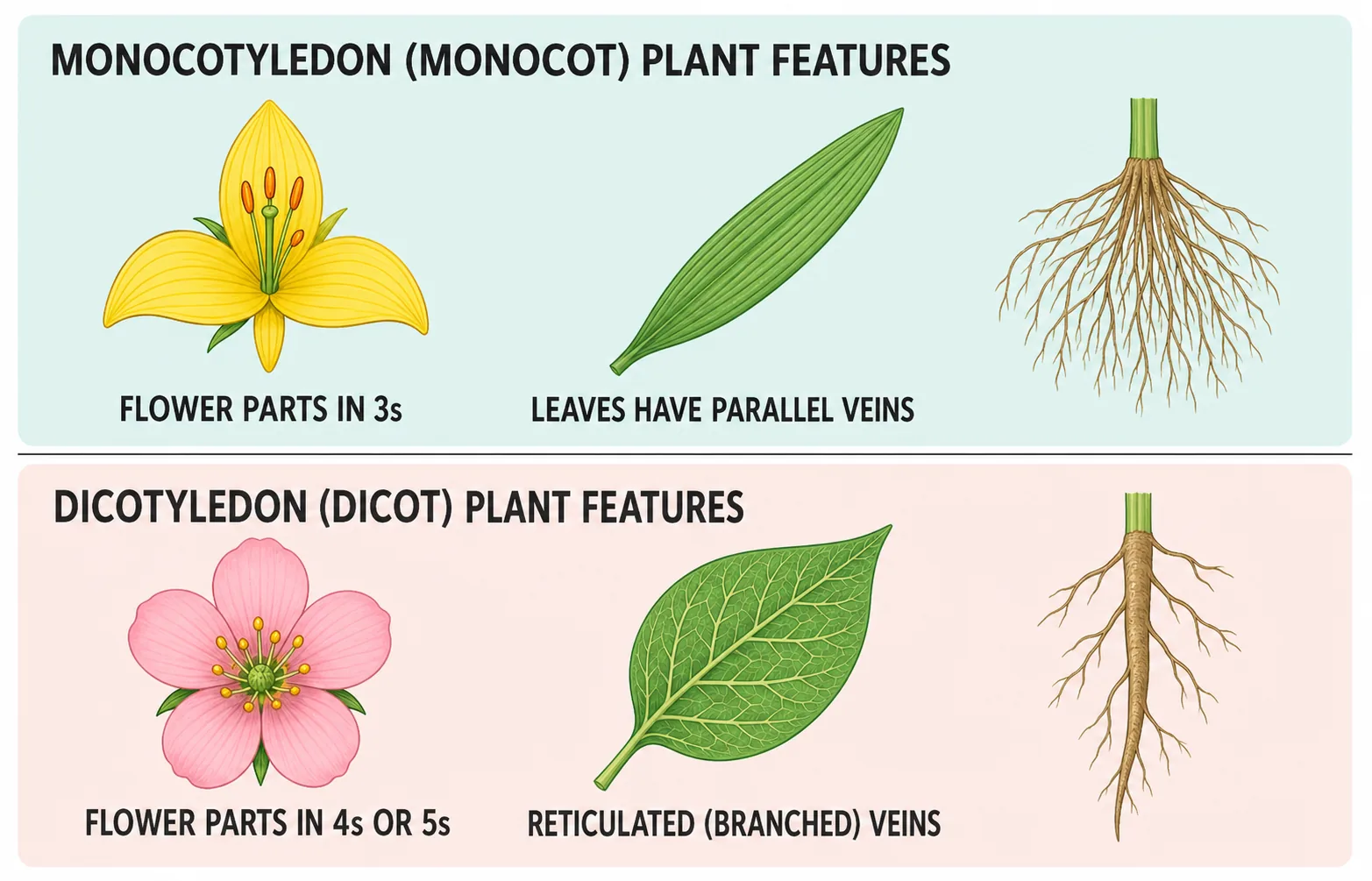
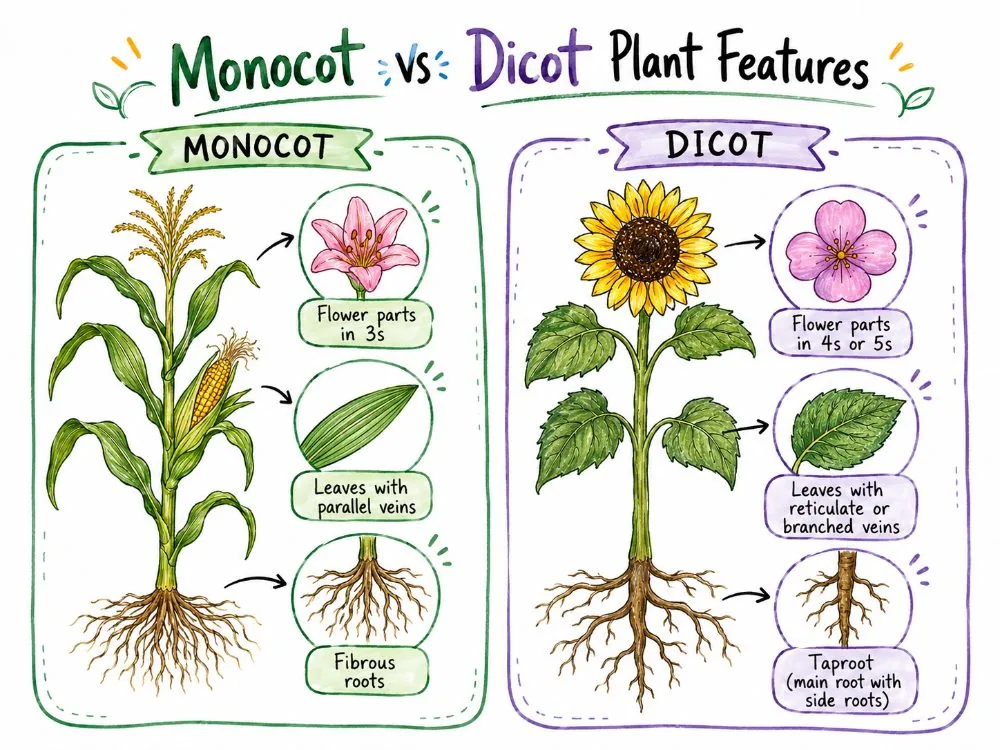
| Feature | Monocot | Dicot (eudicot) |
|---|---|---|
| Cotyledons | One | Two |
| Leaf veins | Parallel | Net-like |
| Flower parts | Multiples of 3 | Multiples of 4 or 5 |
| Vascular bundles in stem | Scattered | Arranged in a ring |
| Roots | Fibrous | Taproot |
Examples: grasses and lilies are monocots; beans and oaks are dicots.
| Hormone | Main effects |
|---|---|
| Auxin | Cell elongation, phototropism, apical dominance, root formation |
| Gibberellins | Stem elongation, seed germination |
| Cytokinins | Cell division, delay leaf aging |
| Abscisic acid | Closes stomata in drought, seed dormancy |
| Ethylene | Fruit ripening, leaf abscission |