Curriculum
EST II Biology
1. Molecules & Cells
0/15
2. Genetics & Biotechnology
0/7
3. Evolution & Diversity
0/7
4. Organisms: Structure & Function
0/15
-
McGraw-Hill SAT Biology — Chapter 8: Understanding Organismal Biology
 Preview
-
4.1 Human Digestion & Nutrition
Preview
-
4.1 Human Digestion & Nutrition (SAT Biology) - Check yourself
 Preview
-
4.2 Circulation & Respiration
Preview
-
4.2 Circulation & Respiration (SAT Biology) - Check yourself
Preview
-
4.3 Excretion & Homeostasis
Preview
-
4.3 Excretion & Homeostasis (SAT Biology) - Check yourself
Preview
-
4.4 Nervous & Endocrine Systems
Preview
-
4.4 Nervous & Endocrine Systems (SAT Biology) - Check yourself
Preview
-
4.5 The Immune System
Preview
-
4.5 The Immune System (SAT Biology) - Check yourself
Preview
-
4.6 Reproduction & Development
Preview
-
4.6 Reproduction & Development (SAT Biology) - Check yourself
Preview
-
4.7 Animal Behavior
Preview
-
4.7 Animal Behavior (SAT Biology) - Check yourself
Preview
5. Ecology
0/5
6. Laboratory Skills
0/2
SAT Biology — Full Book Tests and Strategy
0/8
4.1 Human Digestion & Nutrition
Trace food through the alimentary canal and name the role of each organ.
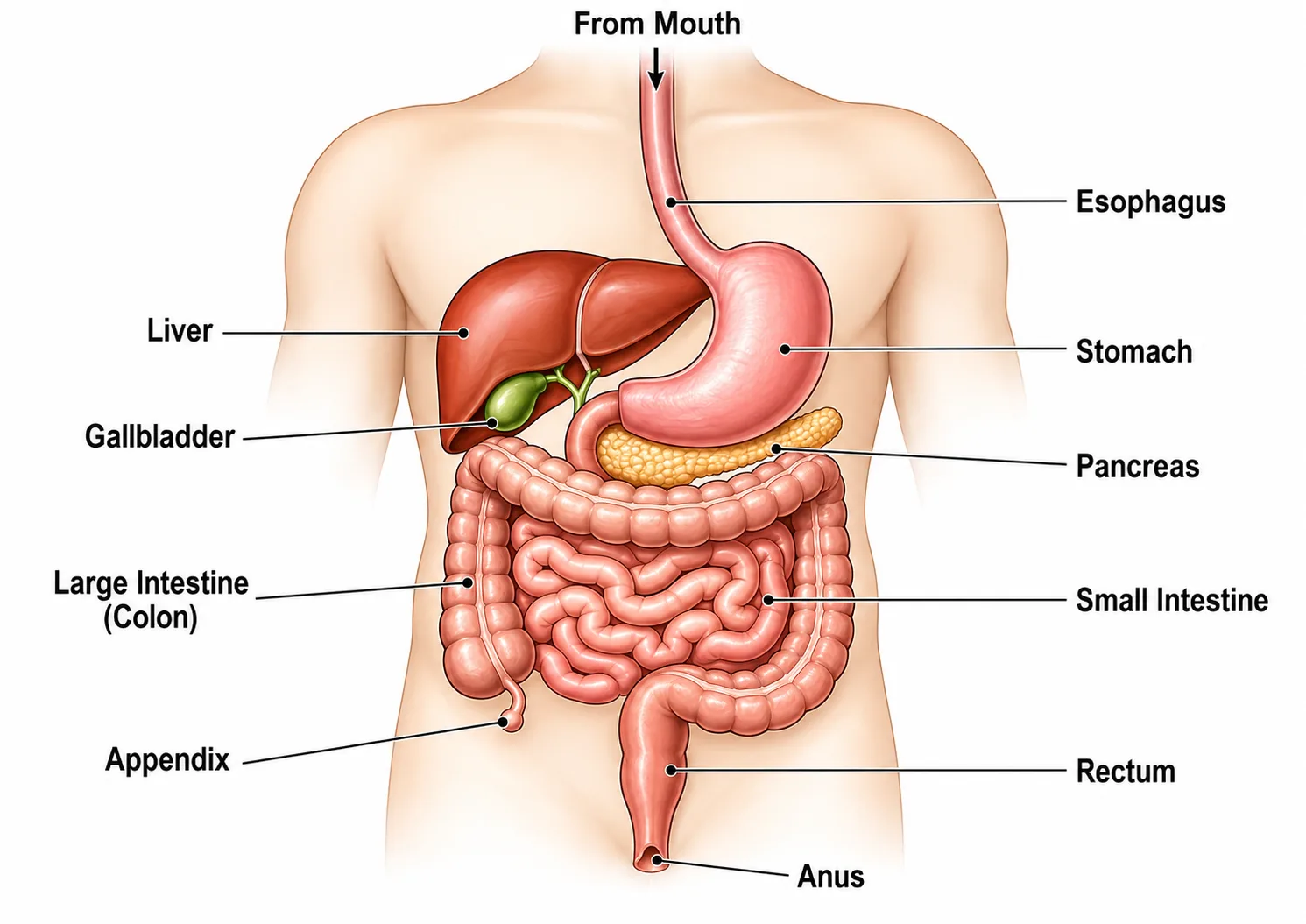
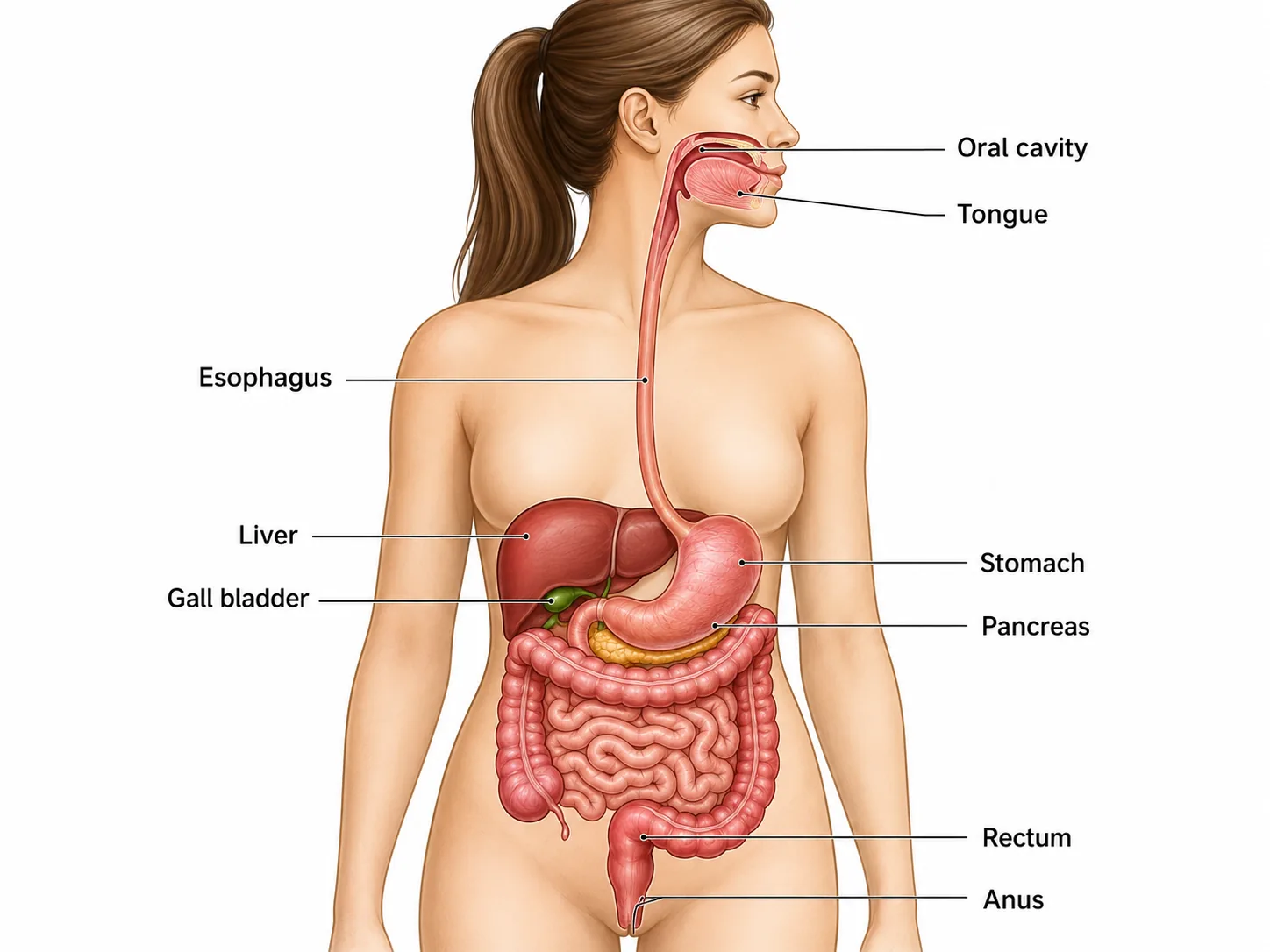
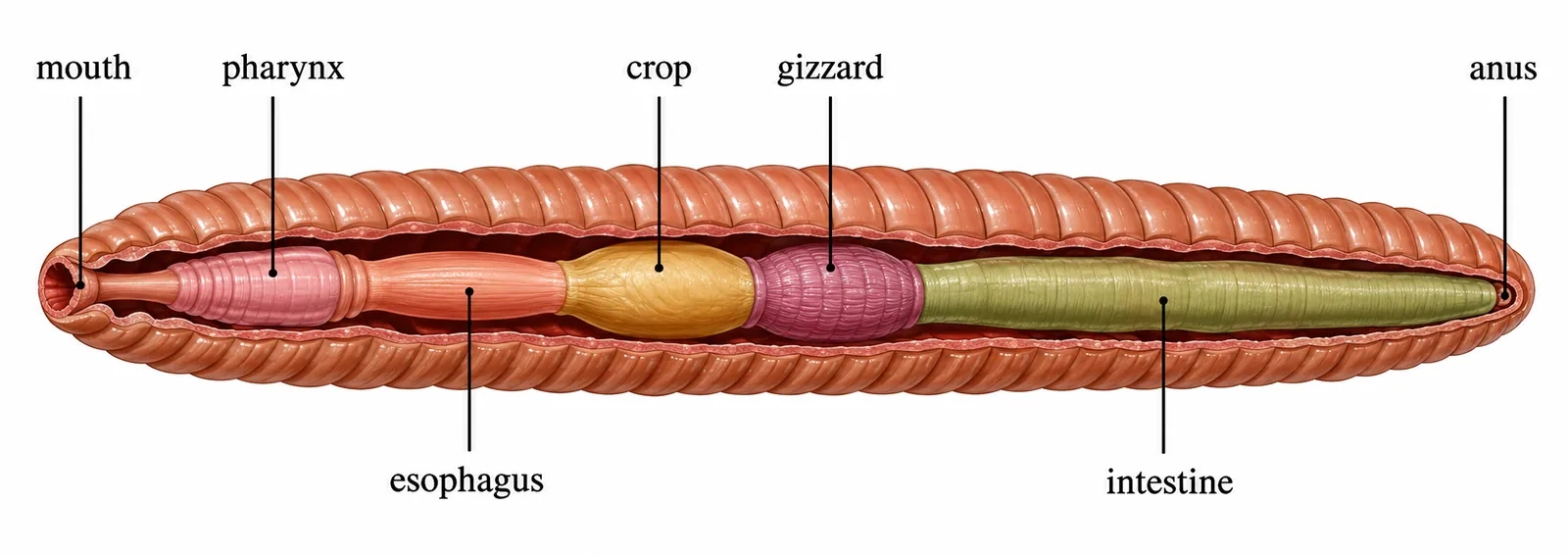


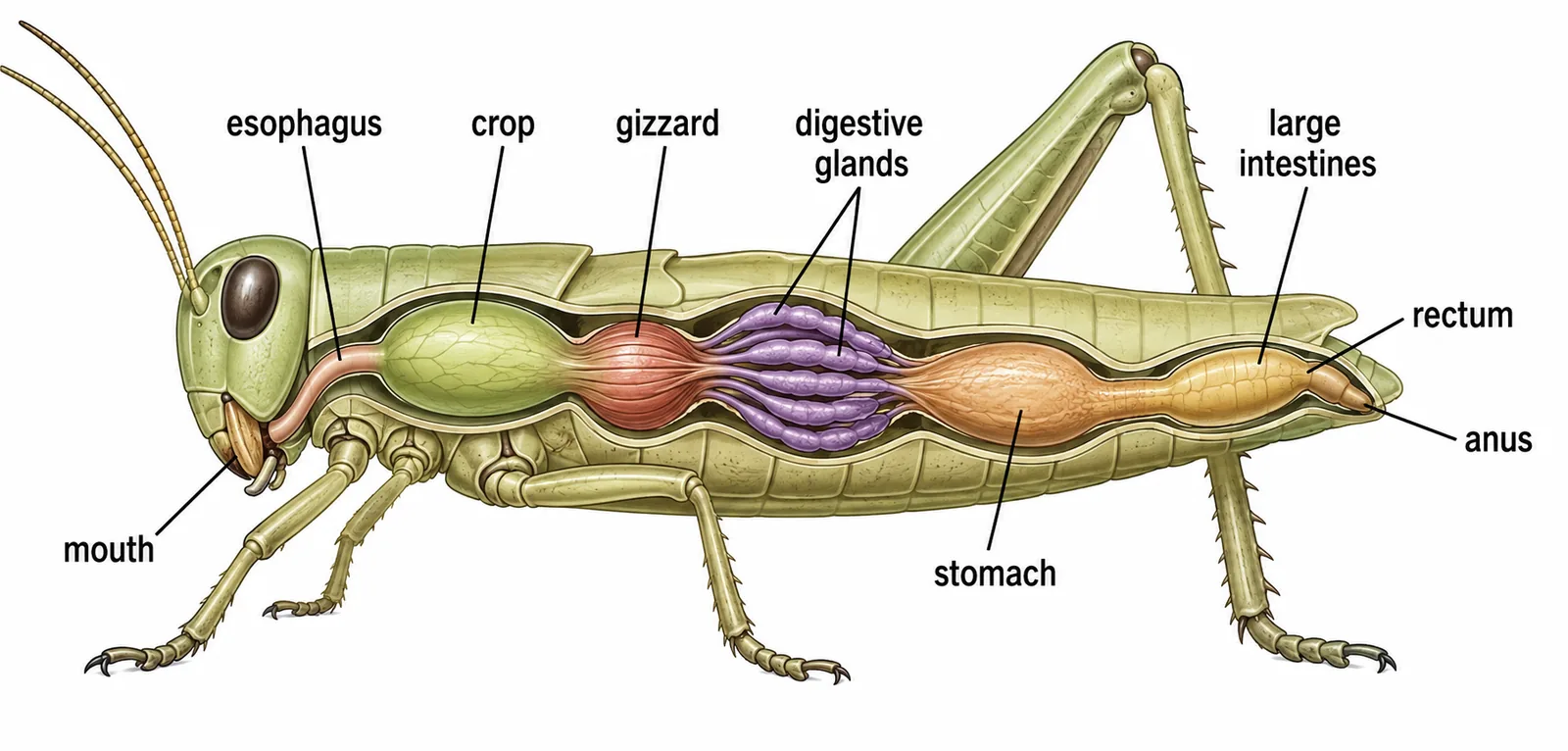


 ⤢ Enlarge
 ⤢ Enlarge






 ⤢ Enlarge
 ⤢ Enlarge

 ⤢ Enlarge
Digestion
Breakdown of large food molecules into small soluble ones that can be absorbed.
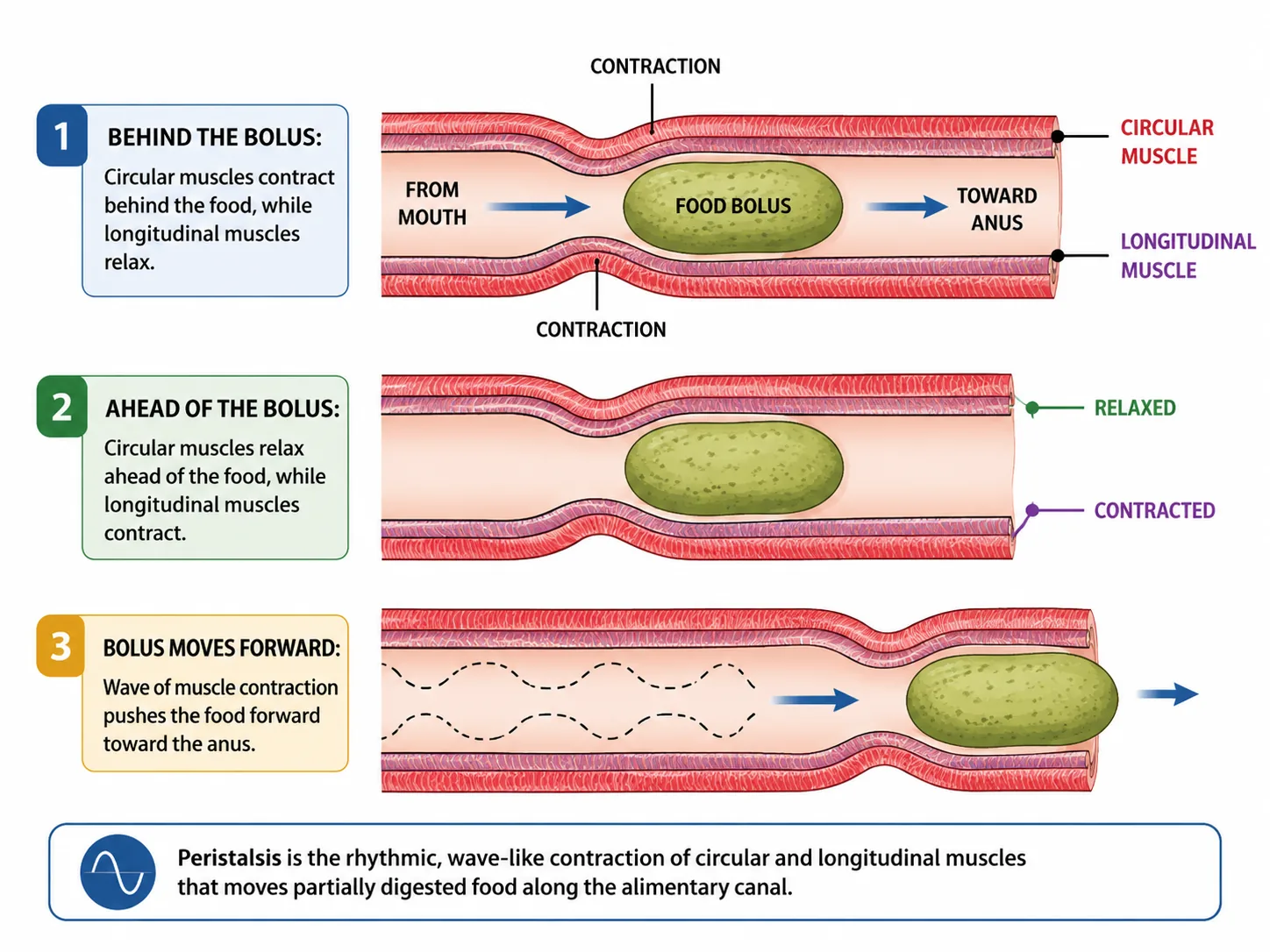
Peristalsis
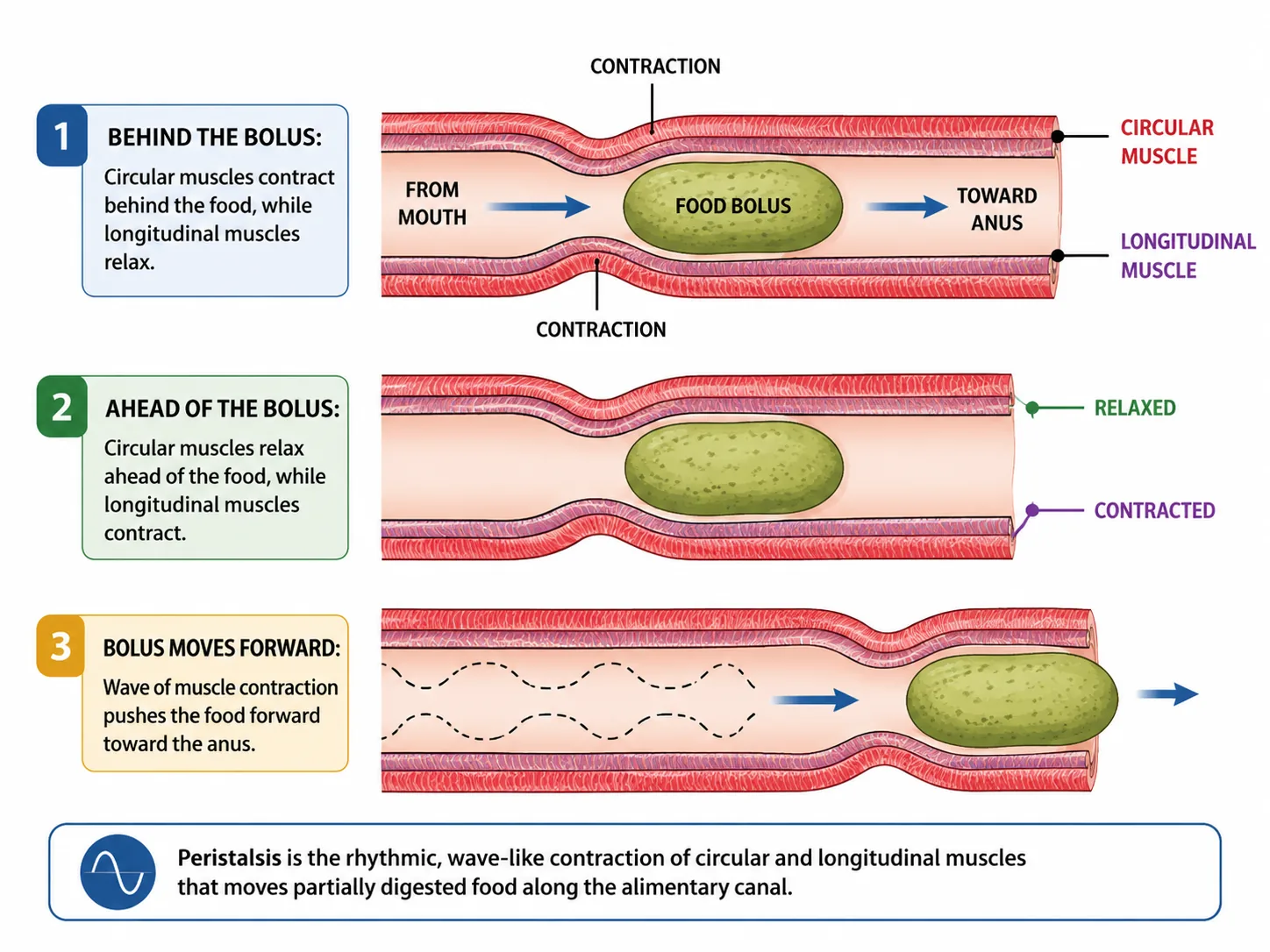
Waves of smooth muscle contraction that push food along the gut.
Enzyme
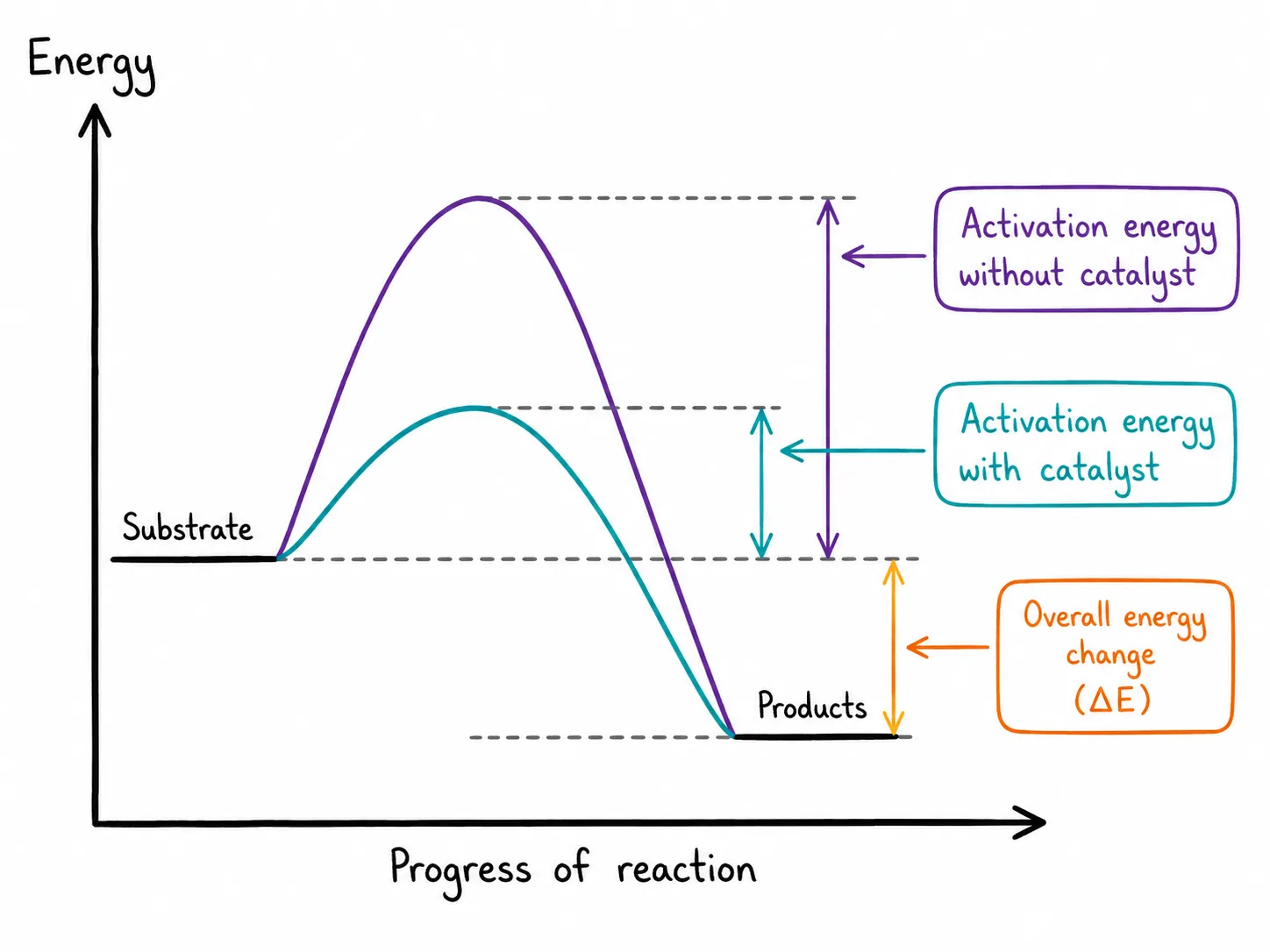
A protein catalyst that speeds a reaction by lowering its activation energy.
Bolus
A soft ball of chewed food mixed with saliva that is swallowed.
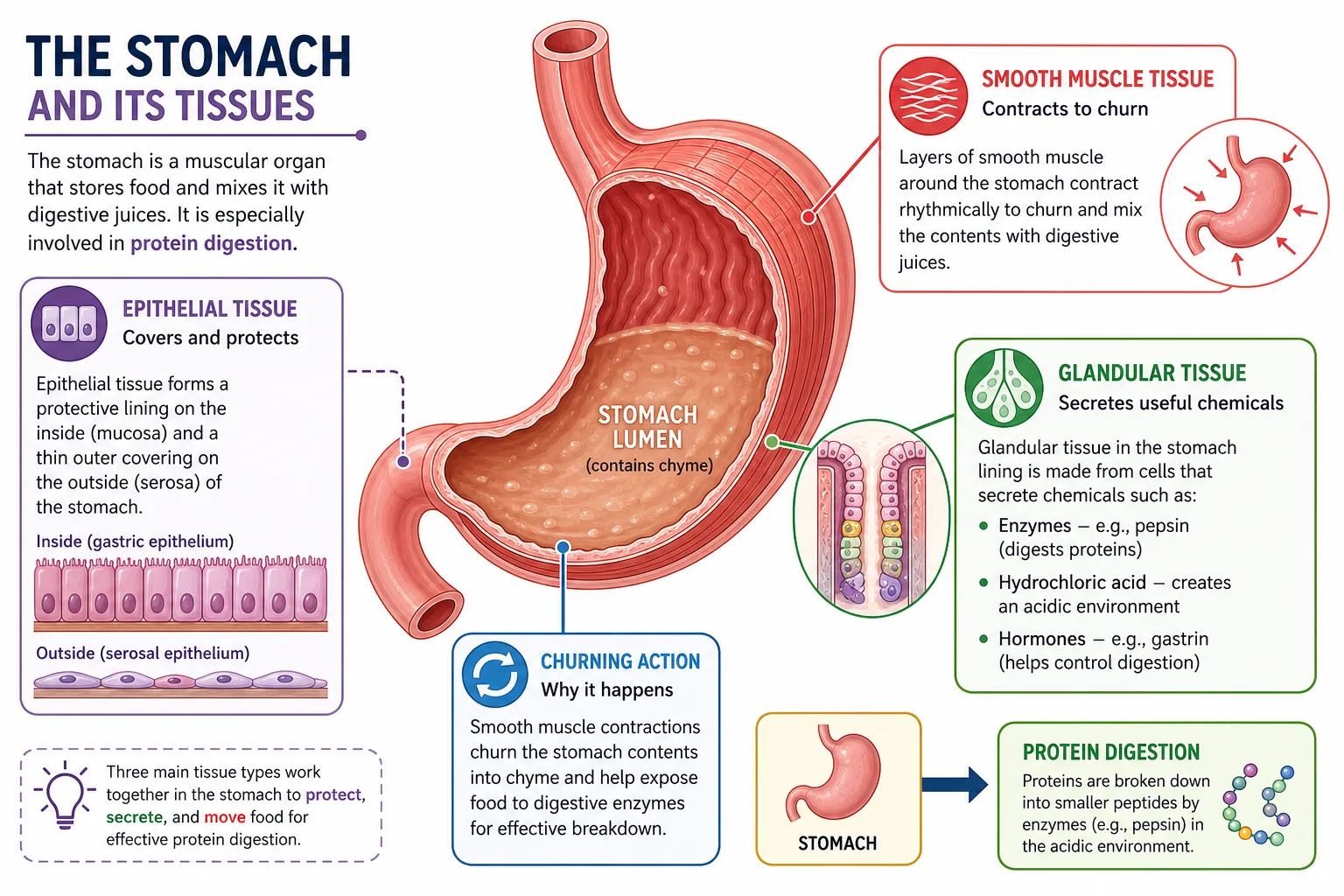
Chyme
The acidic, semi-liquid mixture of partly digested food leaving the stomach.
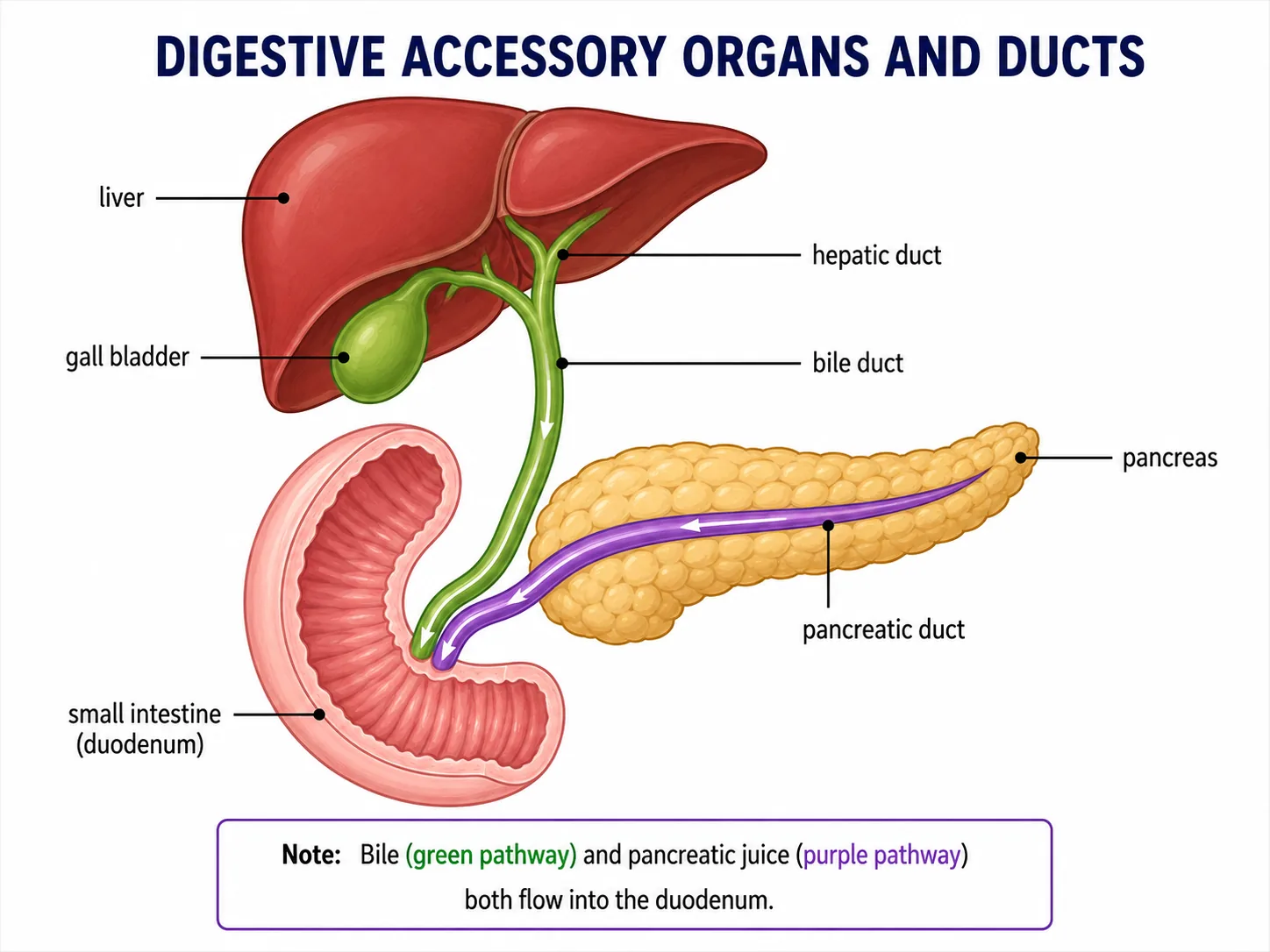
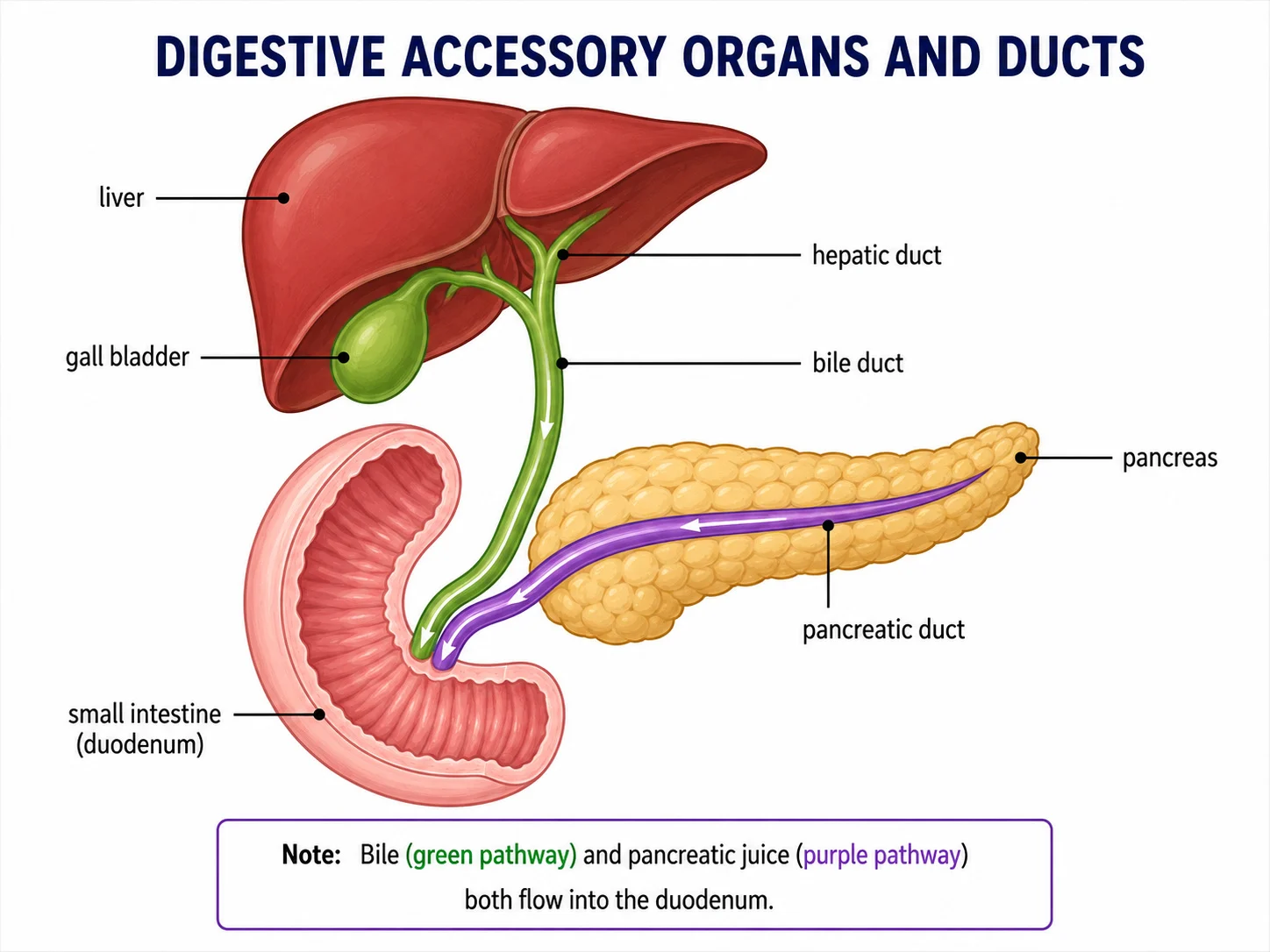
Bile
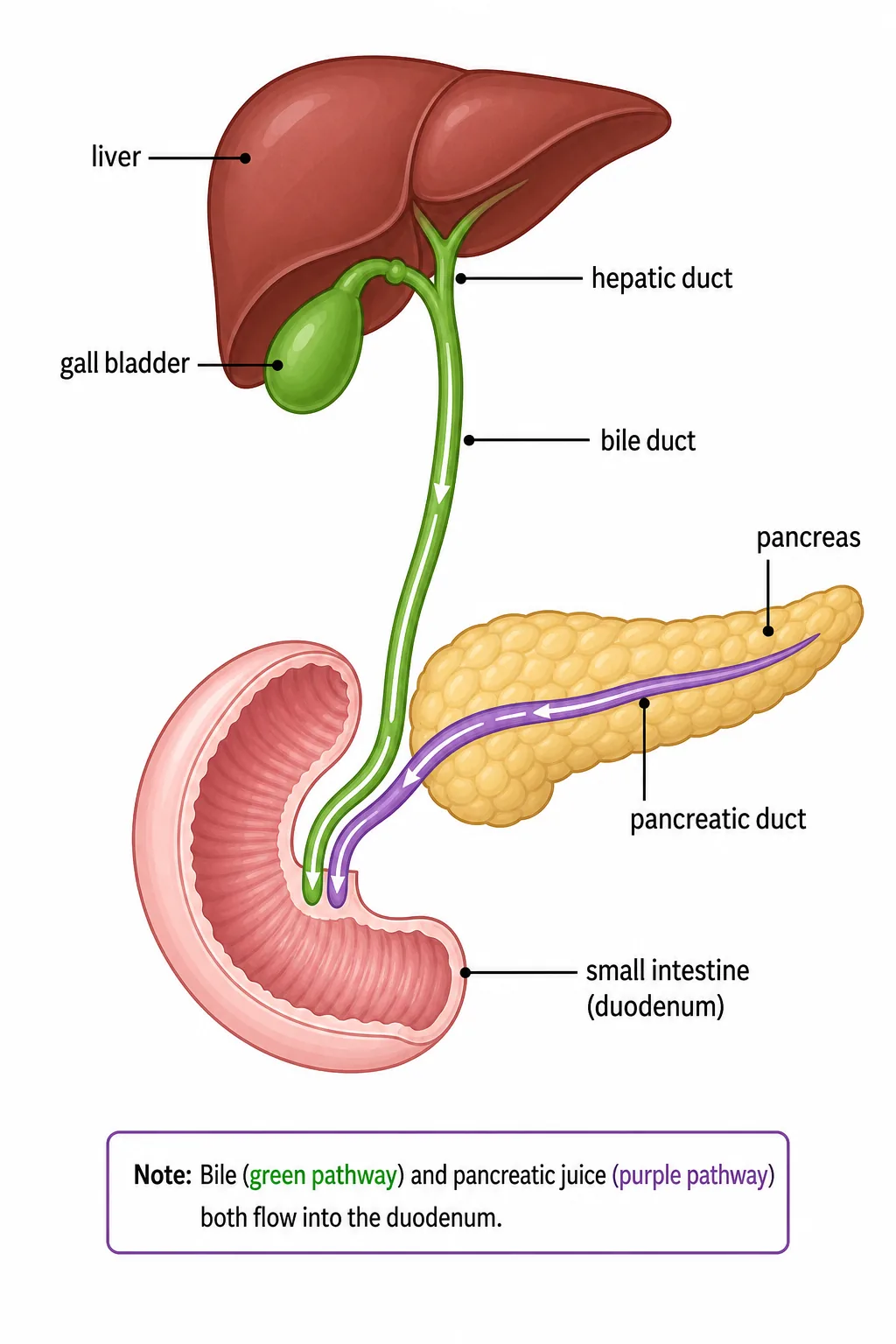
Liquid made by the liver and stored in the gallbladder that emulsifies fats.
Villi
Finger-like projections of the small intestine lining that increase surface area for absorption.
Lacteal
A lymph vessel inside each villus that absorbs fats.
Essential nutrient
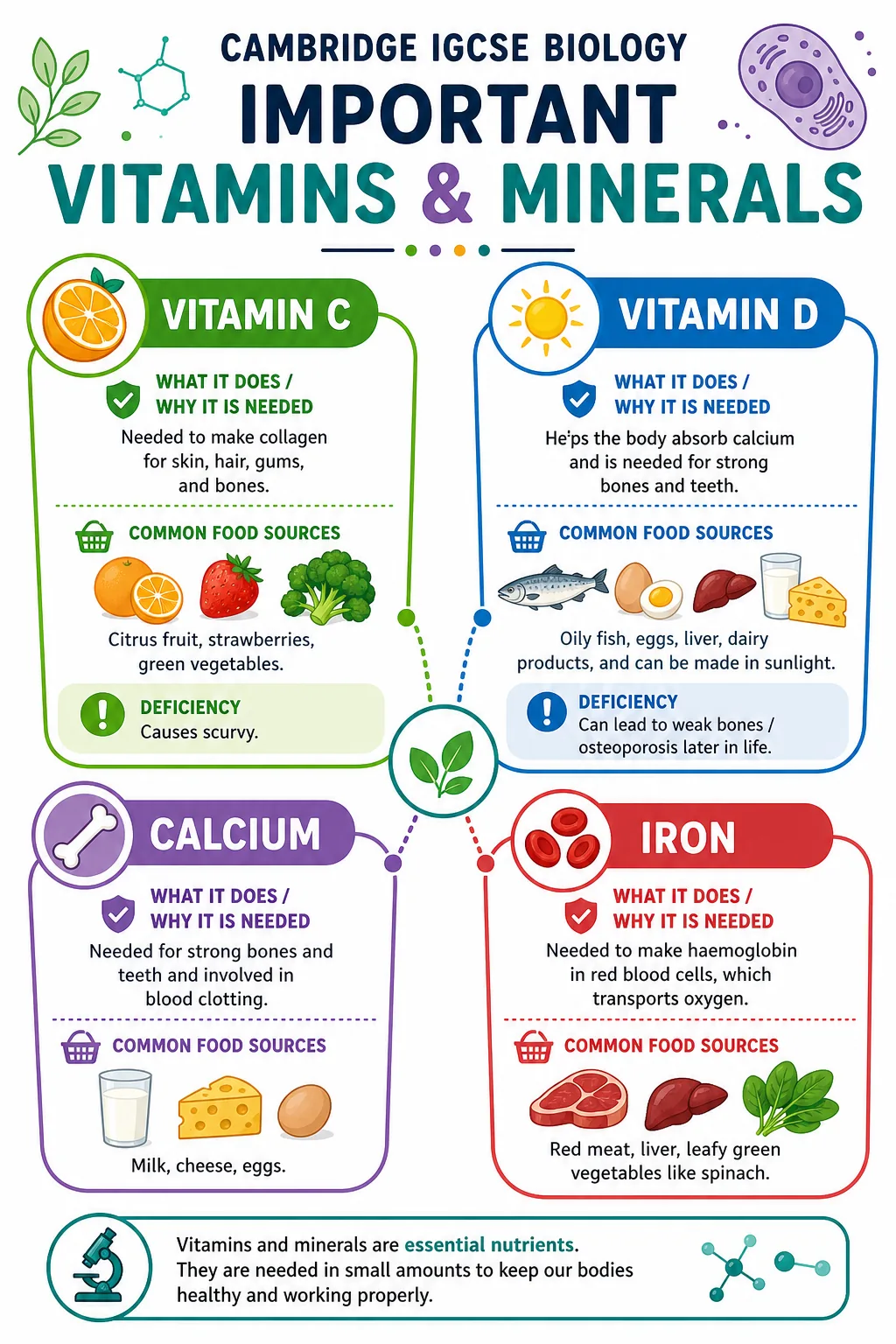
A nutrient the body cannot make and must obtain from the diet.
Vitamin
An organic molecule needed in small amounts, often acting as a coenzyme.
| Enzyme | Source | Substrate → product | Optimum pH |
|---|---|---|---|
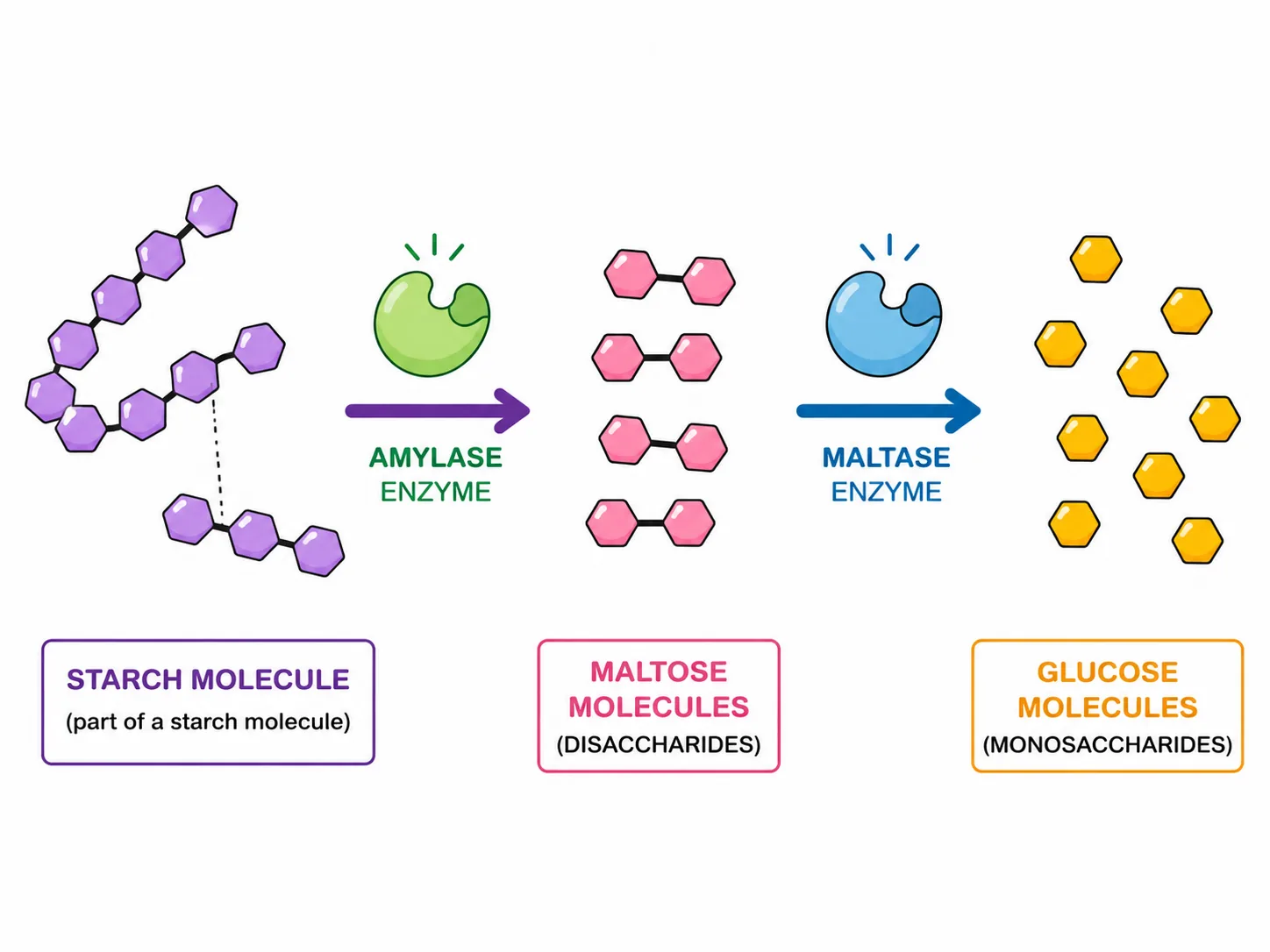
| Salivary amylase | Salivary glands | Starch → maltose | ~7 |
| Pepsin | Stomach (chief cells) | Protein → polypeptides | ~2 |
| Pancreatic amylase | Pancreas | Starch → maltose | ~8 |
| Trypsin | Pancreas | Polypeptides → smaller peptides | ~8 |
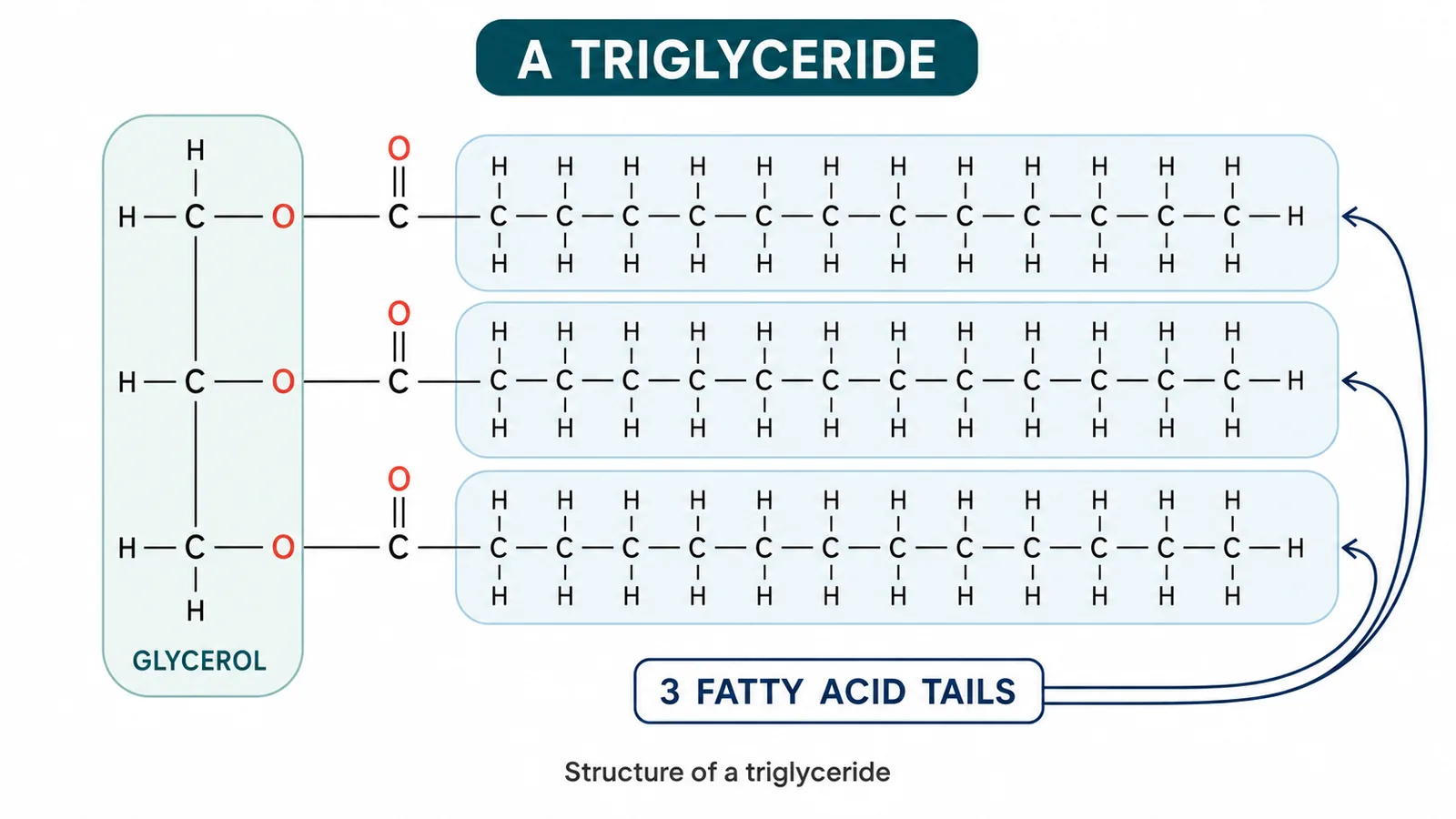
| Lipase | Pancreas | Triglycerides → fatty acids + glycerol | ~8 |
| Maltase, lactase, sucrase | Small intestine lining | Disaccharides → monosaccharides | ~8 |
| Hormone | Released by | Effect |
|---|---|---|
| Gastrin | Stomach | Stimulates gastric juice secretion |
| Secretin | Duodenum | Pancreas releases bicarbonate |
| Cholecystokinin (CCK) | Duodenum | Pancreatic enzymes released; gallbladder contracts |