Curriculum
EST II Biology
1. Molecules & Cells
0/15
2. Genetics & Biotechnology
0/7
3. Evolution & Diversity
0/7
4. Organisms: Structure & Function
0/15
-
McGraw-Hill SAT Biology — Chapter 8: Understanding Organismal Biology
 Preview
-
4.1 Human Digestion & Nutrition
Preview
-
4.1 Human Digestion & Nutrition (SAT Biology) - Check yourself
 Preview
-
4.2 Circulation & Respiration
Preview
-
4.2 Circulation & Respiration (SAT Biology) - Check yourself
Preview
-
4.3 Excretion & Homeostasis
Preview
-
4.3 Excretion & Homeostasis (SAT Biology) - Check yourself
Preview
-
4.4 Nervous & Endocrine Systems
Preview
-
4.4 Nervous & Endocrine Systems (SAT Biology) - Check yourself
Preview
-
4.5 The Immune System
Preview
-
4.5 The Immune System (SAT Biology) - Check yourself
Preview
-
4.6 Reproduction & Development
Preview
-
4.6 Reproduction & Development (SAT Biology) - Check yourself
Preview
-
4.7 Animal Behavior
Preview
-
4.7 Animal Behavior (SAT Biology) - Check yourself
Preview
5. Ecology
0/5
6. Laboratory Skills
0/2
SAT Biology — Full Book Tests and Strategy
0/8
4.2 Circulation & Respiration
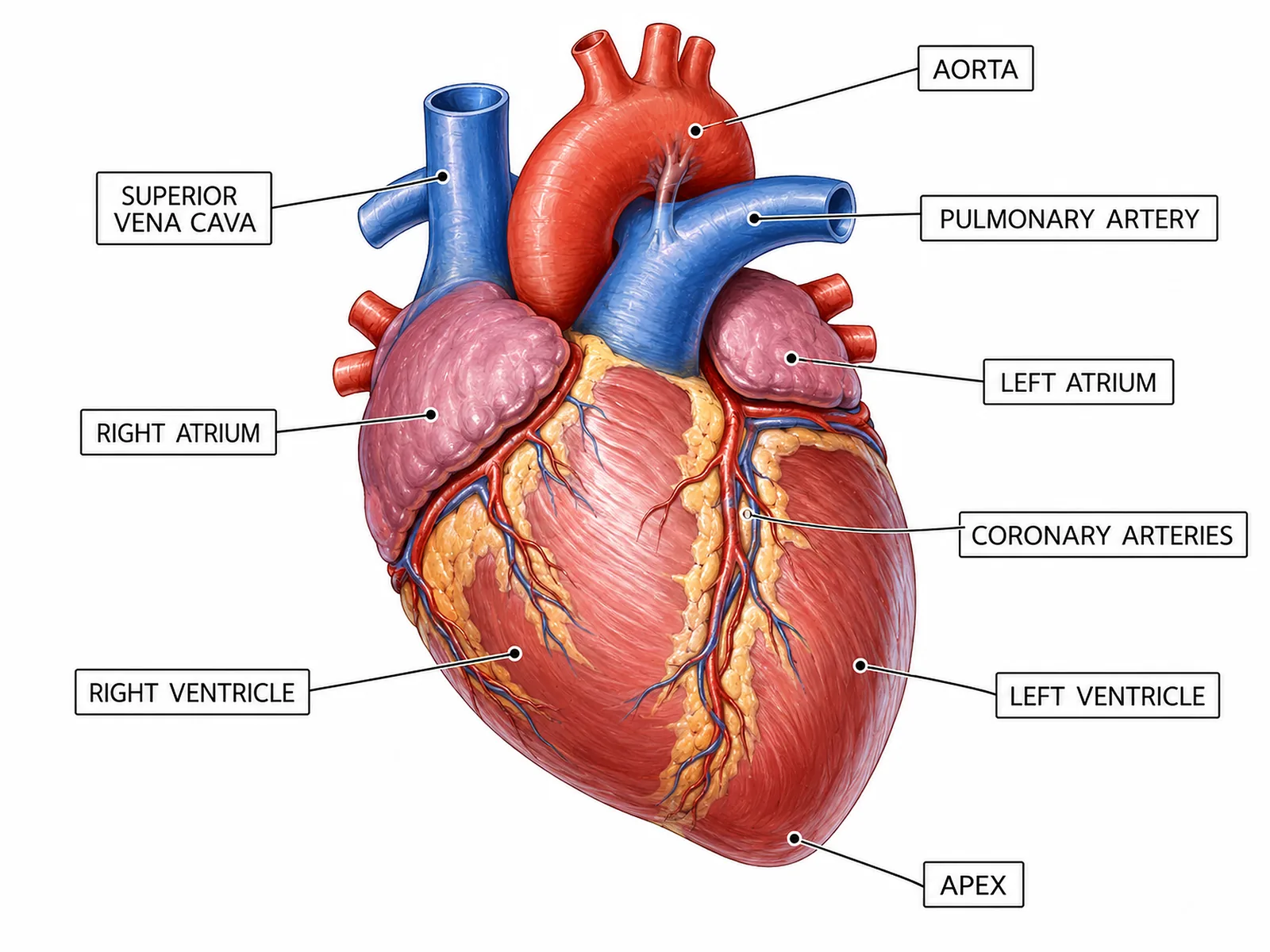
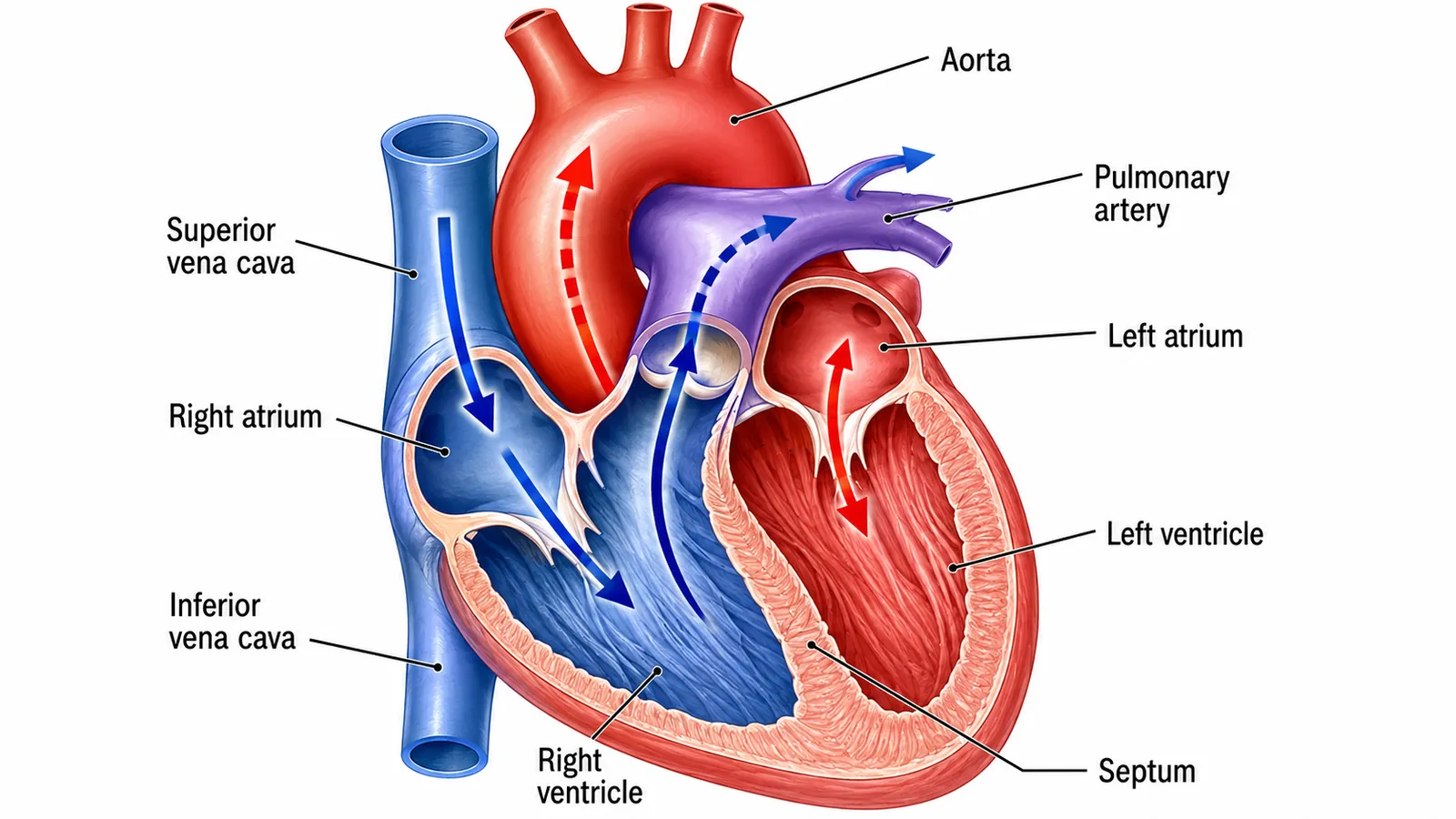
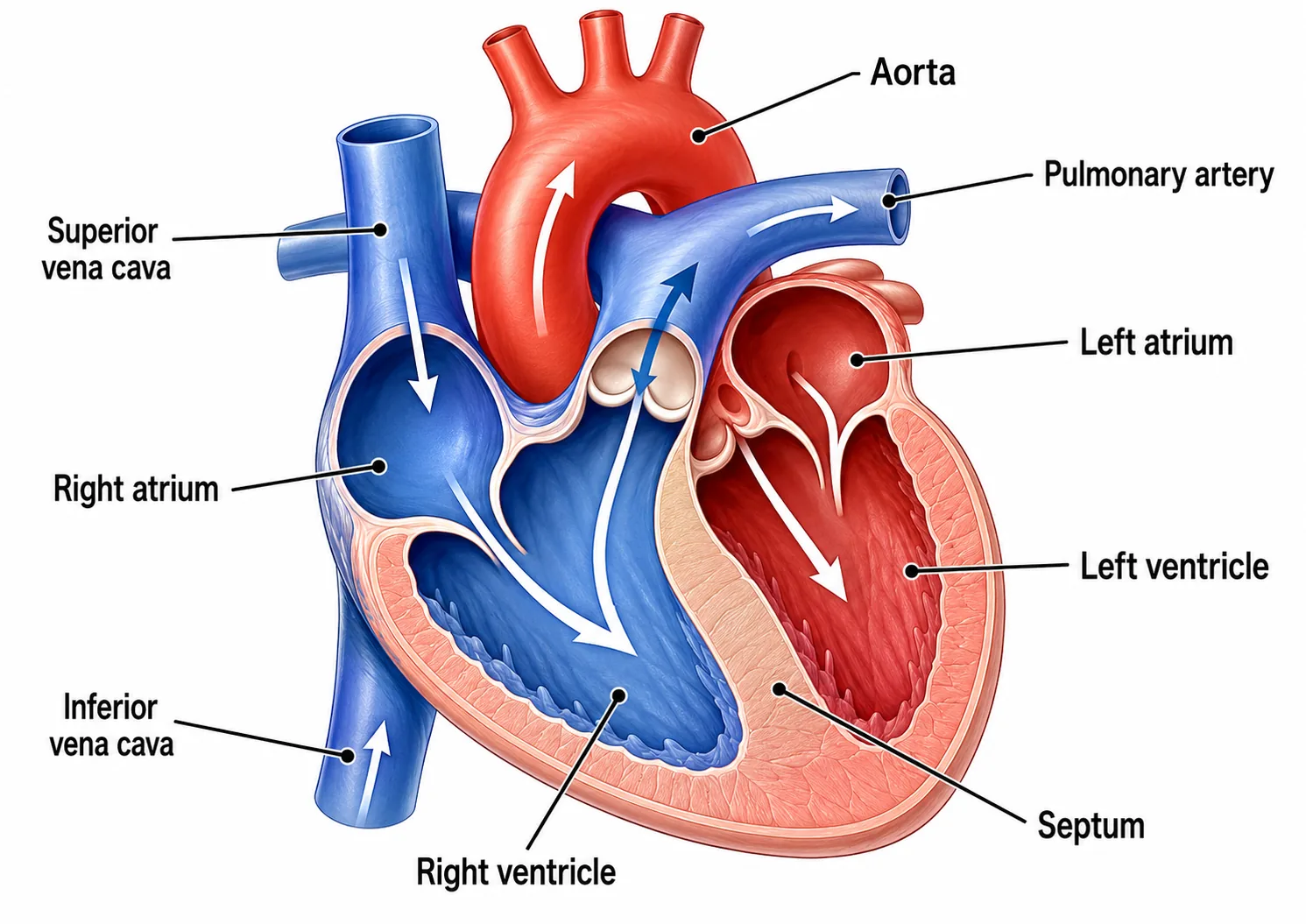
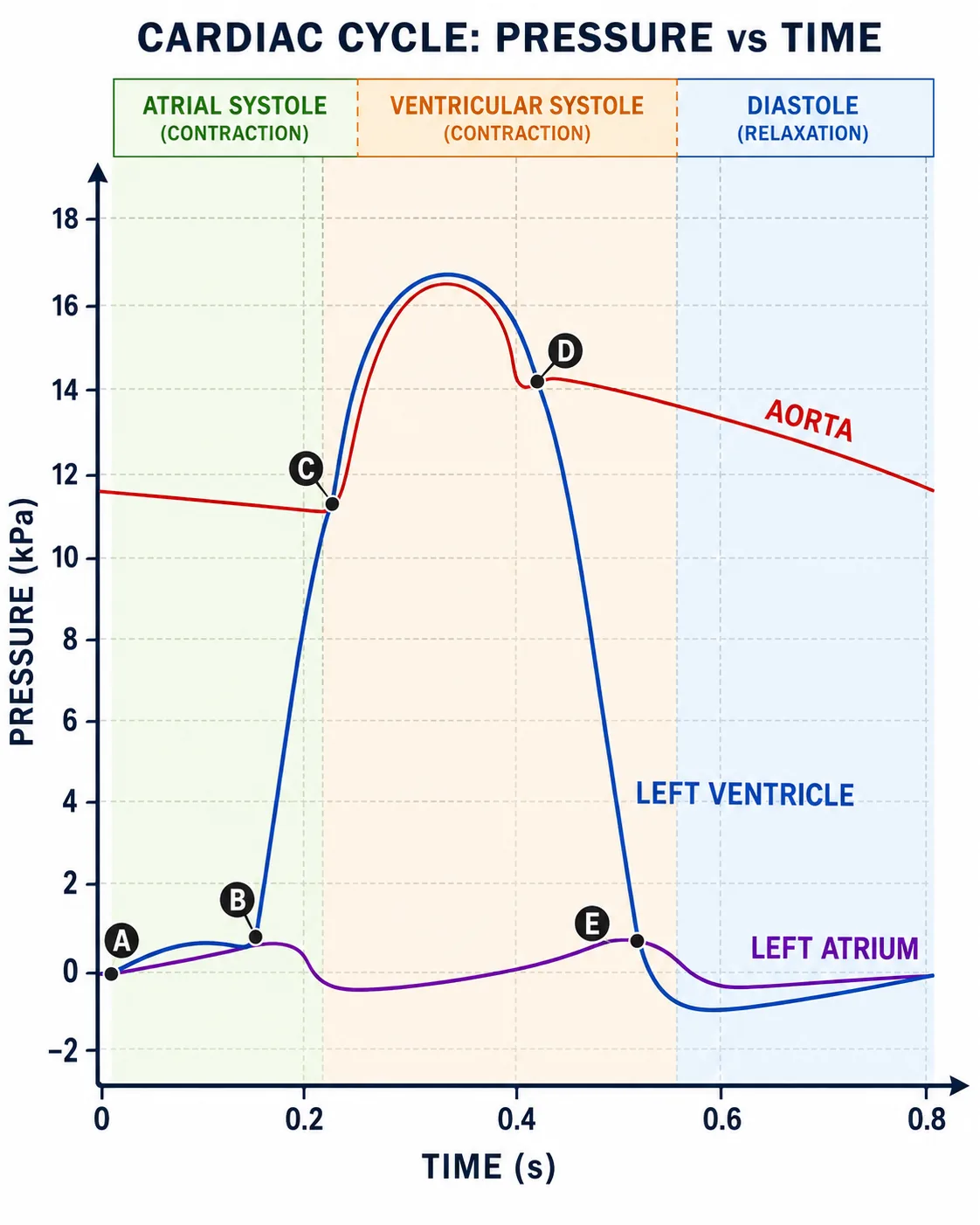
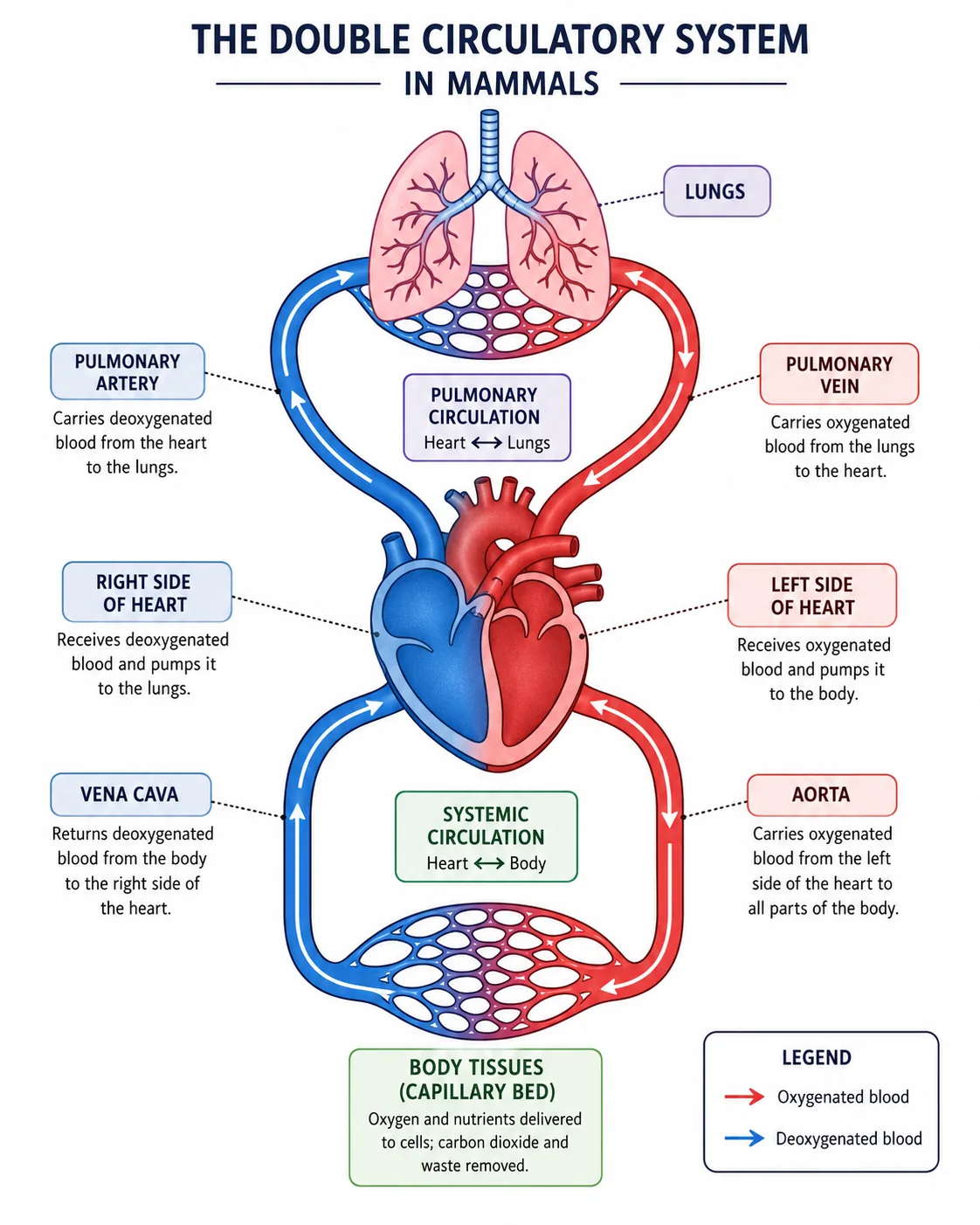
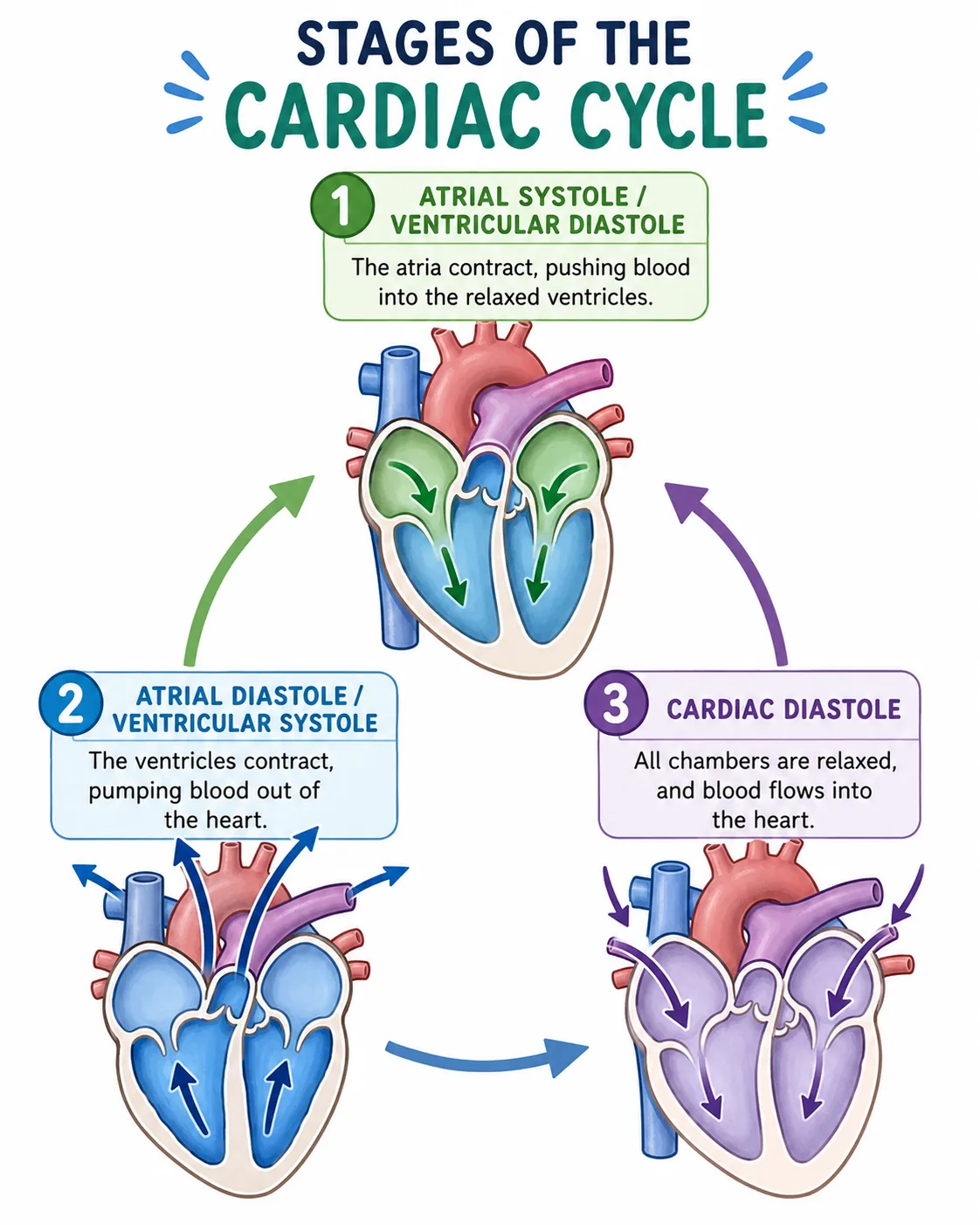
Trace the path of blood through the heart and body.

 ⤢ Enlarge






 ⤢ Enlarge

 ⤢ Enlarge


 ⤢ Enlarge
Artery
A thick-walled vessel carrying blood away from the heart under high pressure.
Vein
A thin-walled vessel with valves carrying blood back to the heart.
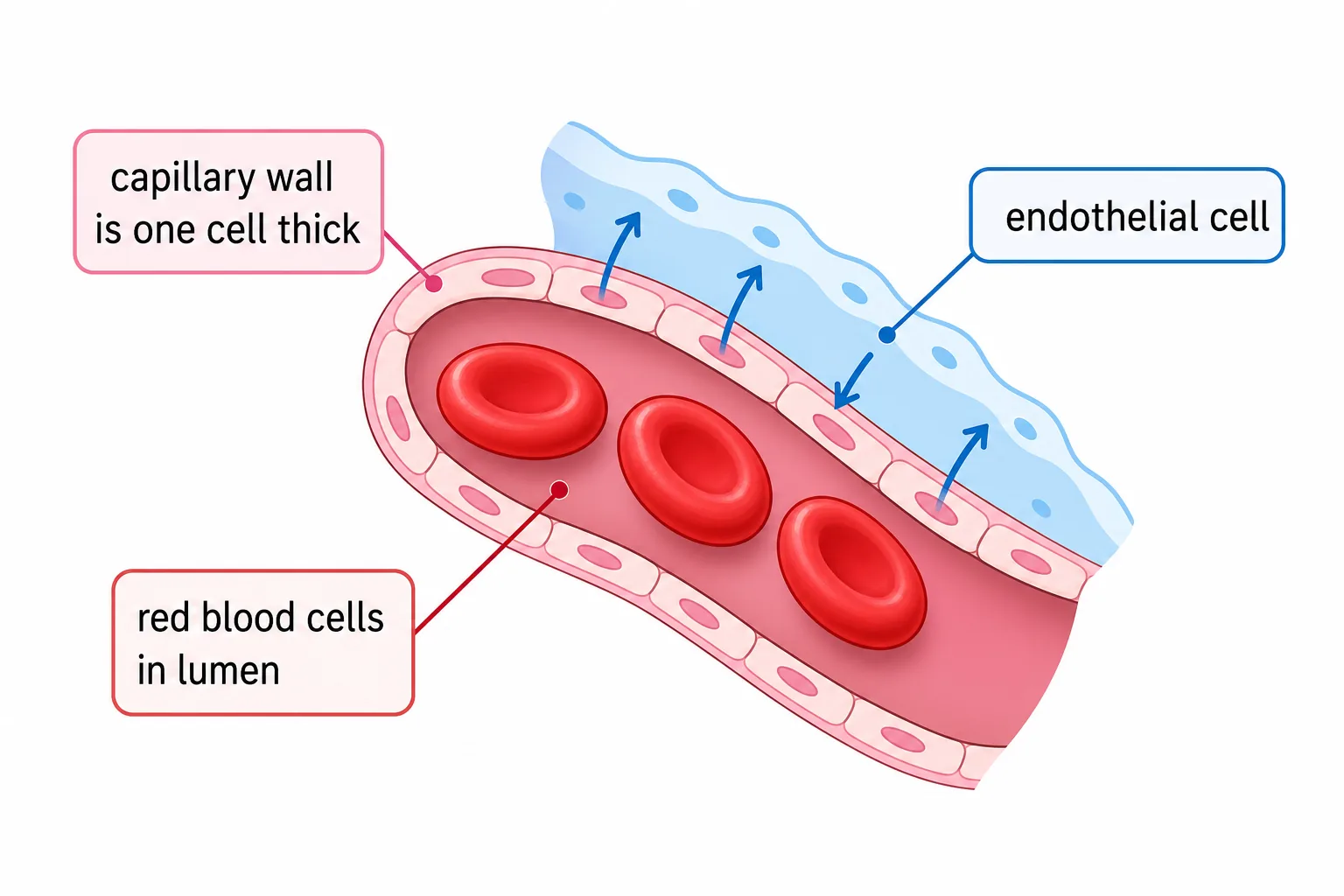
Capillary
A vessel one cell thick where exchange between blood and tissues occurs.
Double circulation
Blood passes through the heart twice per circuit: pulmonary and systemic loops.
Sinoatrial (SA) node
The heart’s pacemaker in the right atrium that starts each heartbeat.
Hemoglobin
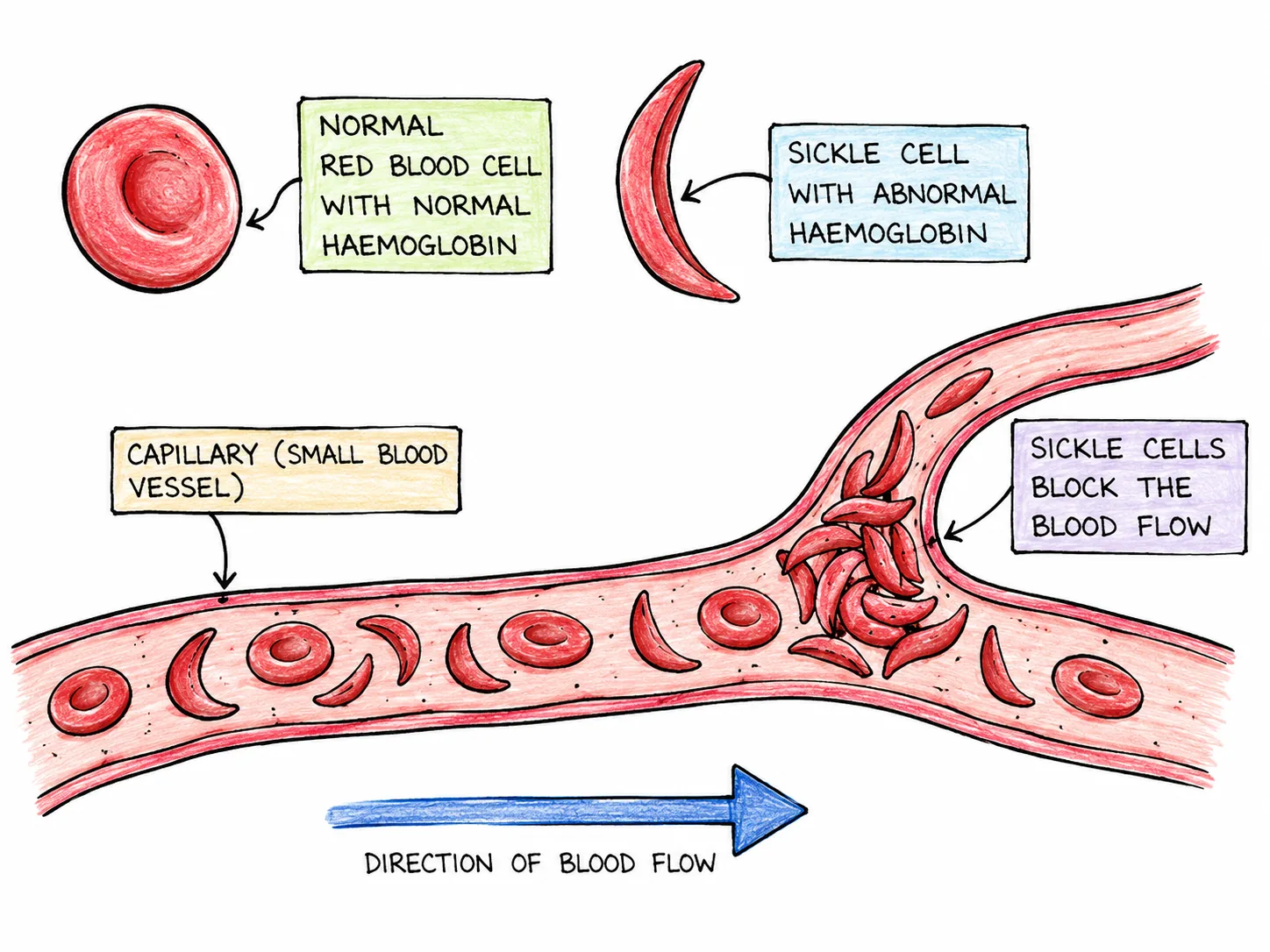
An iron-containing protein in red blood cells that binds oxygen.
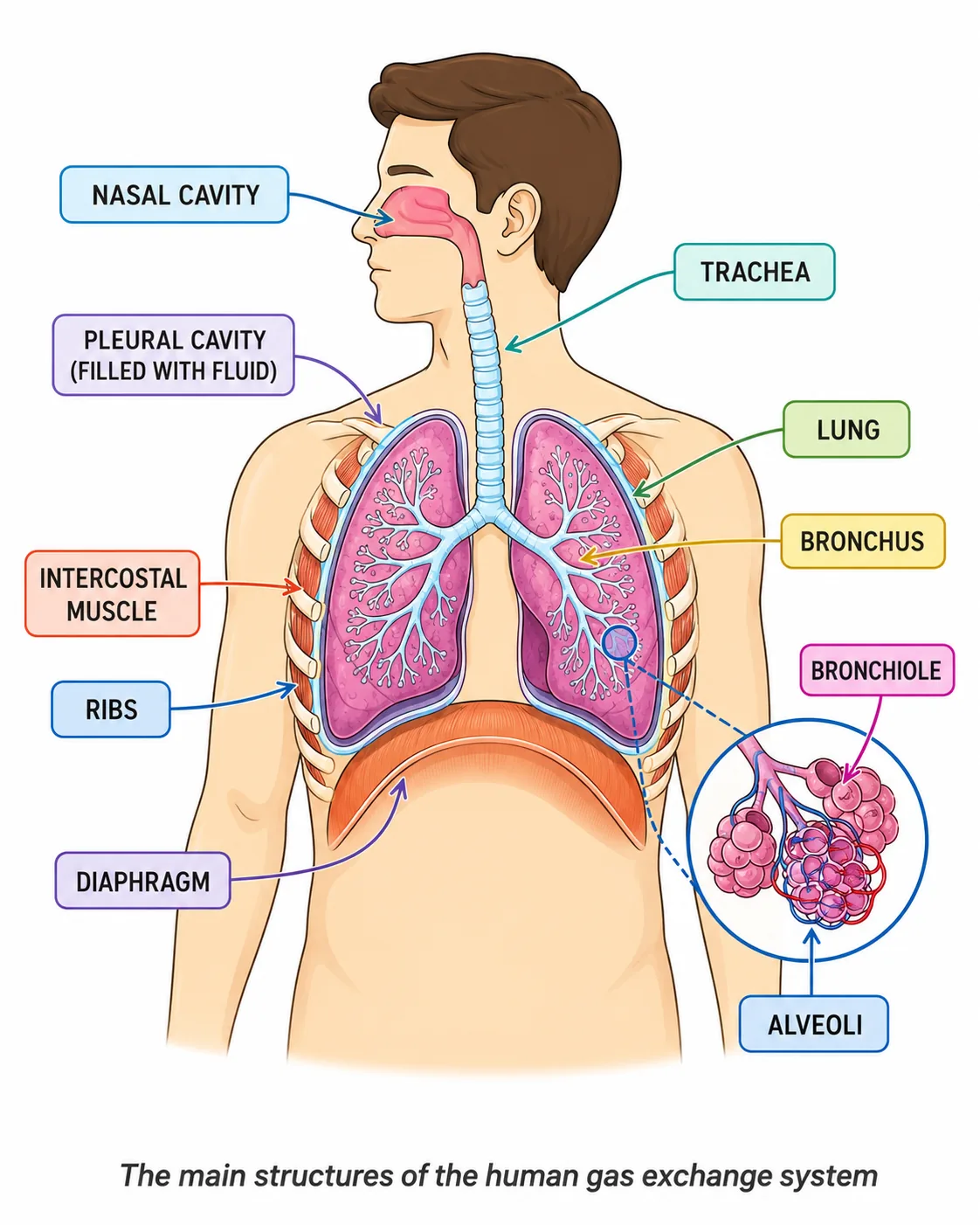
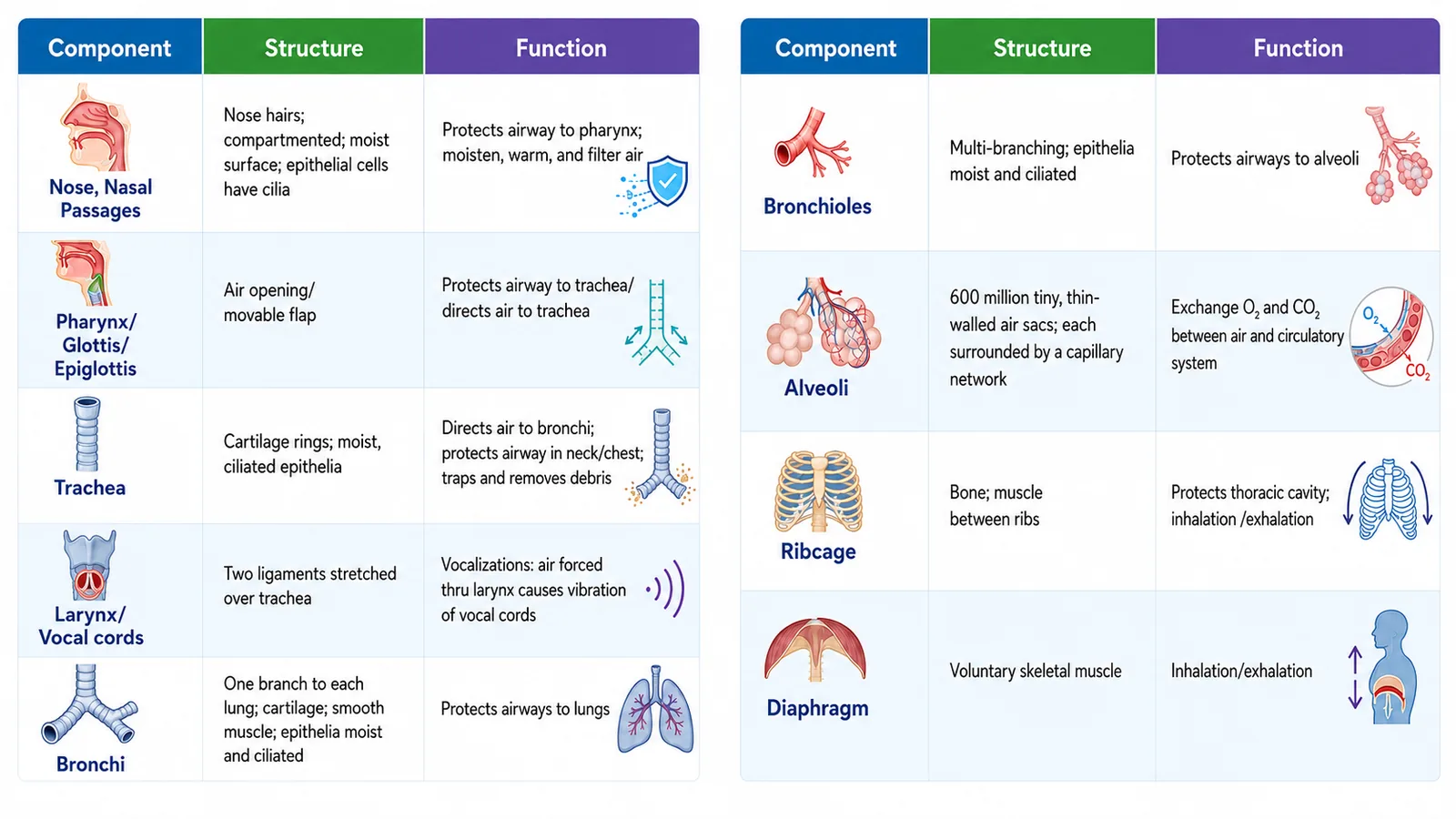
Alveoli
Tiny air sacs in the lungs where gas exchange occurs.
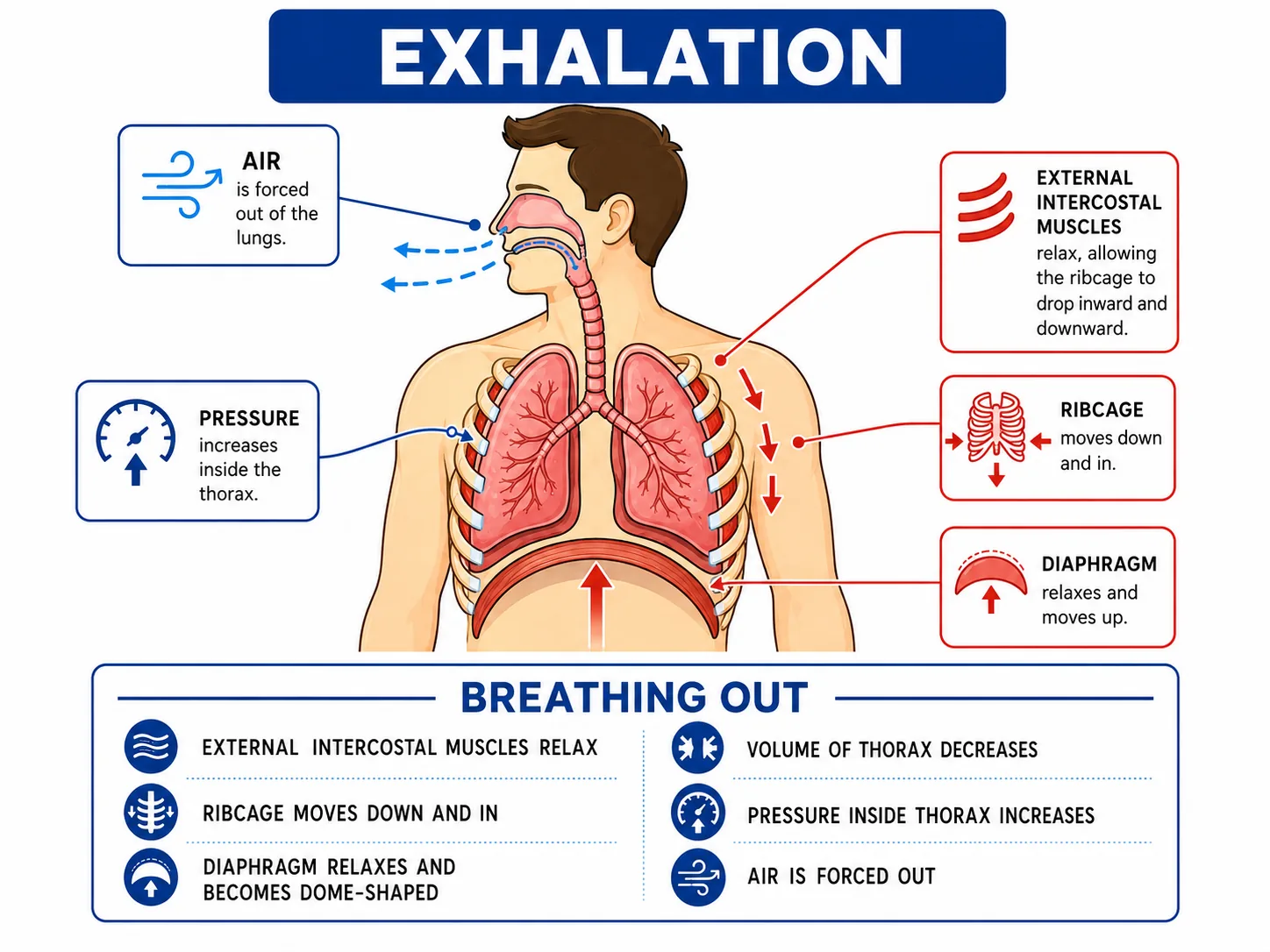
Diaphragm
A dome-shaped sheet of muscle whose contraction enlarges the thoracic cavity for inhalation.
Plasma
The liquid part of blood, mostly water, carrying dissolved nutrients, hormones, wastes and proteins.
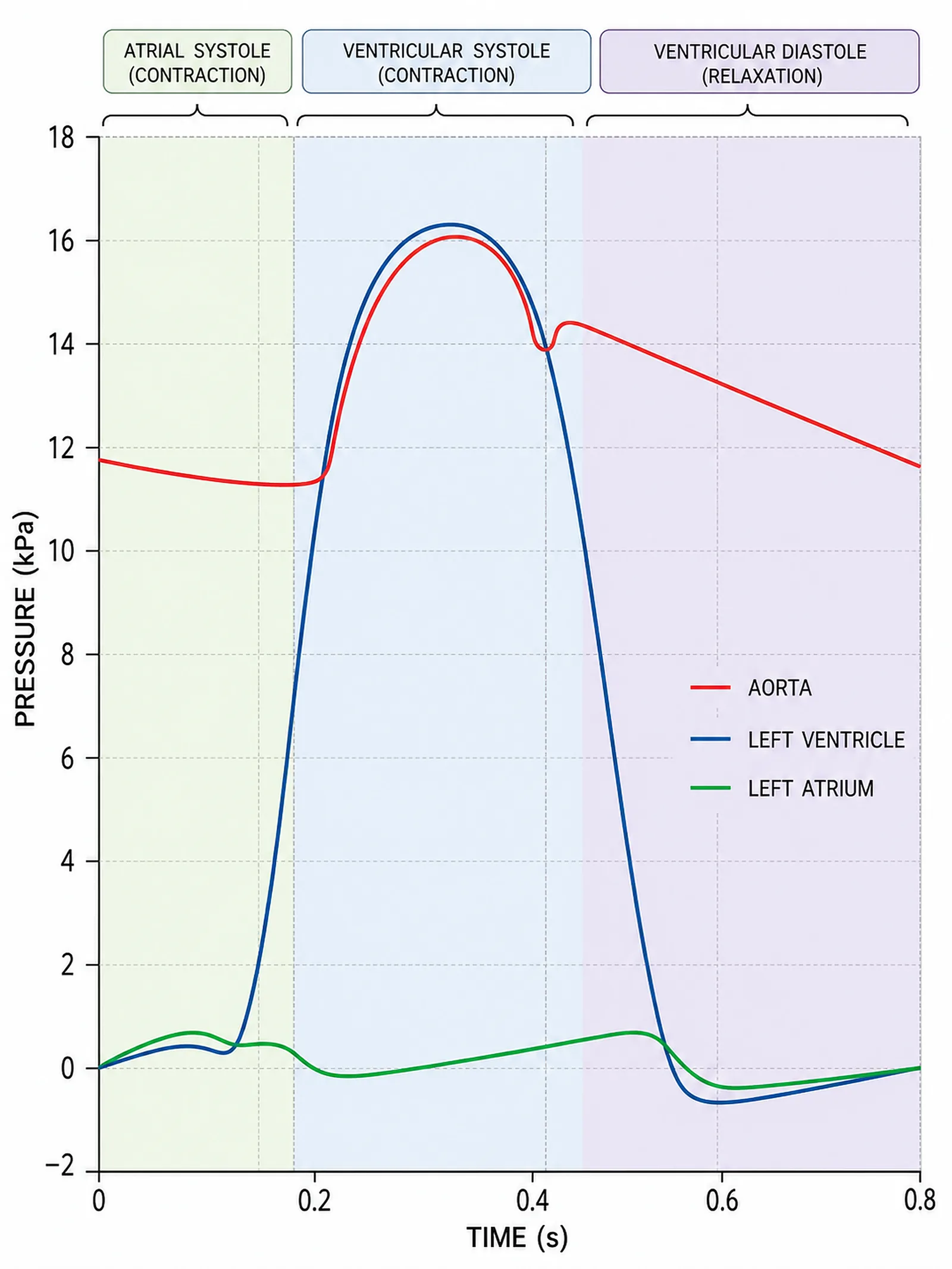
Cardiac output
Volume of blood pumped by one ventricle per minute (heart rate x stroke volume).
| Feature | Artery | Capillary | Vein |
|---|---|---|---|
| Wall | Thick, elastic, muscular | One cell thick | Thin, less muscle |
| Pressure | High, pulsing | Falling | Low |
| Valves | No (except at heart) | No | Yes |
| Function | Carry blood away from heart | Exchange | Return blood to heart |
Pulmonary artery carries deoxygenated blood; pulmonary vein carries oxygenated blood.
| Component | Description | Function |
|---|---|---|
| Red blood cells | Biconcave, no nucleus (mammals) | Carry O2 on hemoglobin |
| White blood cells | Nucleated | Defense against pathogens |
| Platelets | Cell fragments | Blood clotting |
| Plasma | ~55% of blood volume | Transport, contains fibrinogen and albumin |